
Master Bedroom Size: Dimensions, Layout Tips, and Space Planning Guide for 2026
Choosing the right master bedroom size is one of the most important decisions when designing a comfortable and functional home. A well-planned bedroom provides enough space for furniture, storage, and easy movement while creating a relaxing environment. The ideal room dimensions depend on your lifestyle, home layout, and future needs.
Understanding the average master bedroom size, master bedroom dimensions, primary bedroom size, ideal bedroom size, and bedroom layout dimensions can help you make informed decisions. Additionally, factors such as standard master bedroom size, bedroom square footage, walk-in closet size, bedroom space planning, and spacious bedroom design play a key role in determining the perfect bedroom for your home.
| Bedroom Type | Typical Dimensions | Average Area |
| Master Bedroom | 14′ x 16′ | 224 sq ft |
| Secondary Bedroom | 10′ x 12′ | 120 sq ft |
| Guest Bedroom | 10′ x 12′ | 120 sq ft |
| Kids Bedroom | 10′ x 10′ | 100 sq ft |
What Is a Master Bedroom?
A master bedroom is the largest sleeping space in a home. Today, many builders also call it a primary suite. It often includes a walk-in closet, en-suite bathroom, and enough room for a king-size bed and extra furniture. This room serves as a private retreat for homeowners.
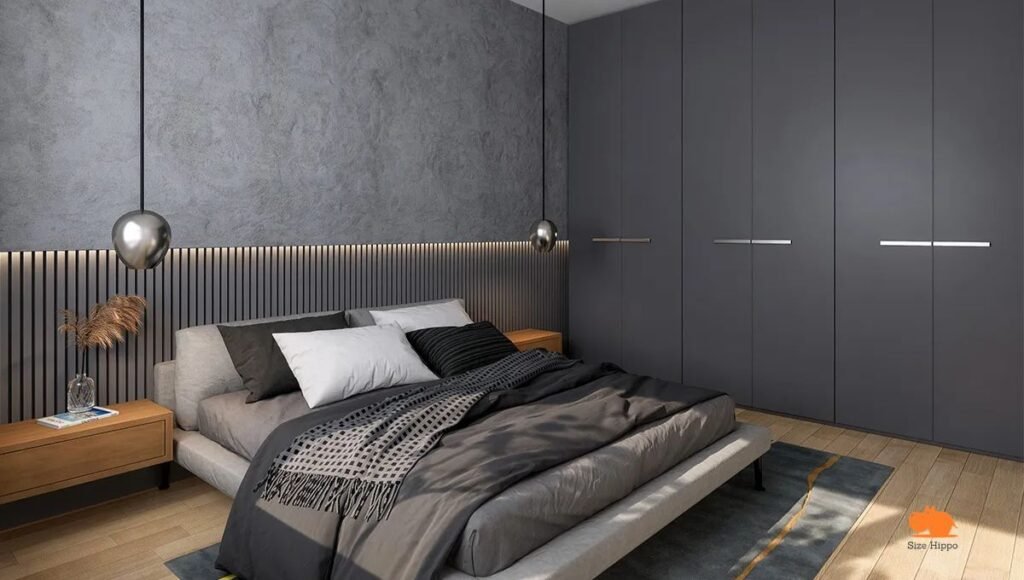
A standard bedroom or a master bedroom focuses on convenience and comfort. Modern homes often include a seating area, larger windows, enhanced bedroom comfort, and improved room functionality. These features make it more versatile than other bedrooms.
How Big Is an Average Master Bedroom? (Quick Answer)
The average master bedroom size in the United States is approximately 14 feet by 16 feet. This equals about 224 square feet. In larger homes, the average size for master bedroom layouts can exceed 300 square feet.
If you are wondering how big an average master bedroom is, most experts recommend at least 12 x 12 feet for comfortable use. This size allows adequate movement clearance, better traffic flow, and enough room for essential furniture.
Typical Master Bedroom Sizes and Dimensions
The most common master bedroom size in feet ranges from 14 x 16 feet to 16 x 20 feet. Smaller rooms may offer around 168 square feet, while luxury designs can exceed 440 square feet. These measurements represent modern bedroom size standards in many American homes.
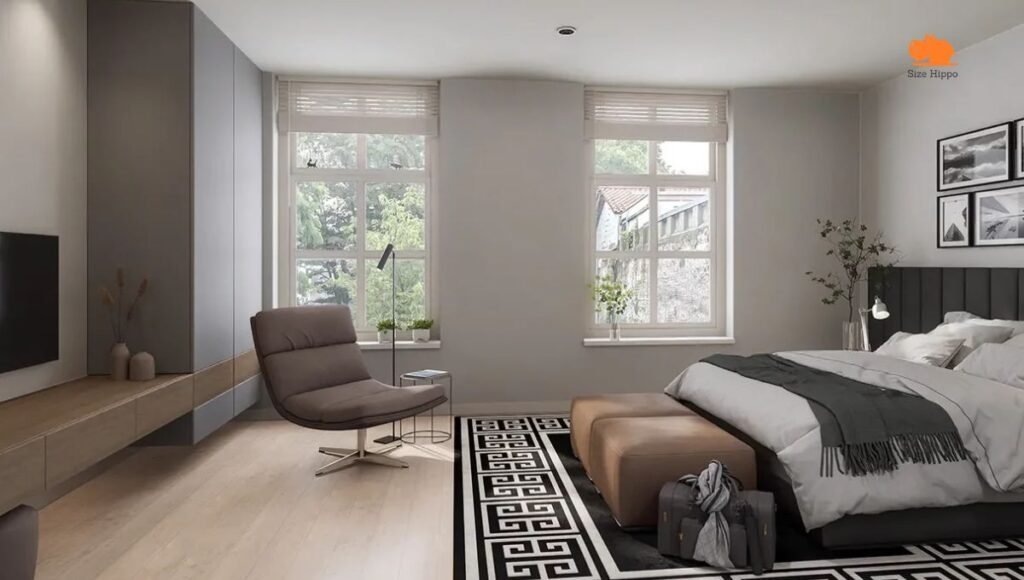
The ideal dimensions depend on furniture choices. A room with a California king bed, dresser, and multiple nightstand units requires more space. Larger layouts also improve room proportions and support future design flexibility.
Master Bedroom Size vs. Standard Bedroom Size
The biggest difference between a master bedroom and a standard bedroom is available space. A typical standard bedroom size measures around 10 x 12 feet. In comparison, the average master bedroom size is significantly larger and often includes premium features.
A standard room usually fits a queen-size bed or full-size bed comfortably. A master bedroom can accommodate a king-size bed, additional seating, expanded bedroom storage, and improved bedroom furniture layout without feeling crowded.
Factors That Influence Master Bedroom Size
Several factors affect master bedroom dimensions. The overall size of the house plays a major role. Larger homes generally provide more spacious bedrooms. Family needs, furniture choices, and local housing trends also influence room size.
Features such as a walk-in closet size, ensuite bathroom layout, and dedicated workspaces can increase the required area. Effective home layout planning ensures that every square foot serves a useful purpose while maintaining comfort.
Legal Minimum Size Requirements for a Bedroom
In the United States, most jurisdictions follow building codes and guidelines from the International Residential Building Code. A legal bedroom must generally contain at least 70 square feet, with no dimension measuring less than 7 feet.
These legal bedroom size requirements also include safety considerations. Adequate windows, emergency exits, ceiling heights, and ventilation help ensure bedroom accessibility and occupant safety. Always verify local regulations before construction.
Different Types of Bedroom Sizes (Master, Guest, Kids, and Secondary Bedrooms)
Different bedrooms are designed for different needs and stages of life. Understanding average bedroom dimensions by type can help you choose the right room size for comfort, functionality, and future use. Types of Bedroom Sizes are as under:
- Master Bedroom Size
- Guest Bedroom Size
- Kids’ Bedroom Size
- Secondary Bedroom Size
- Nursery Bedroom Size
Master Bedroom Size
The average master bedroom size typically ranges from 200 to 300 square feet, with common master bedroom dimensions of 14 x 16 feet. This space can comfortably accommodate a king-size bed, multiple nightstands, a dresser, and even a small seating area.
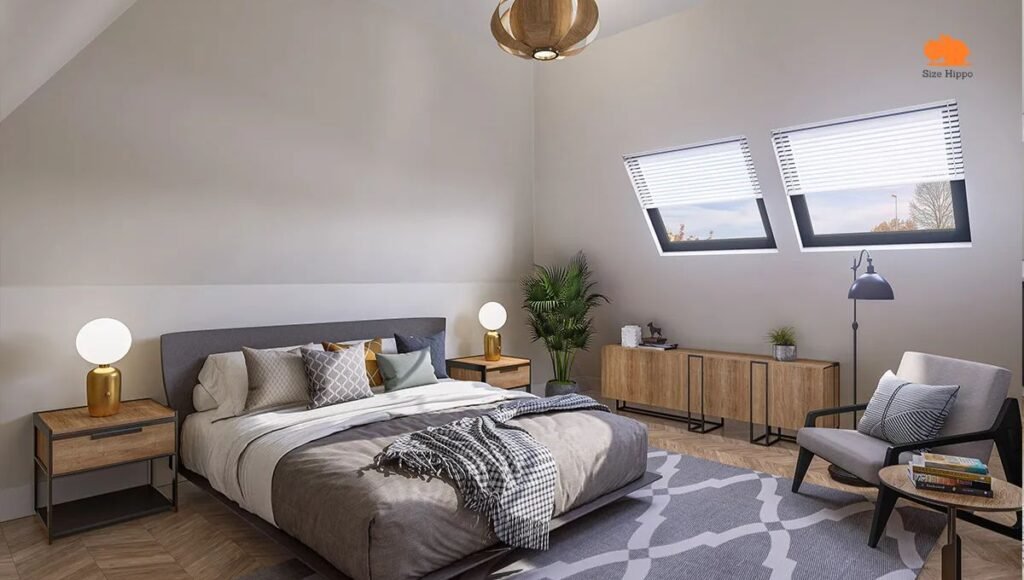
Master bedrooms often include a walk-in closet and an en-suite bathroom, making them the largest and most comfortable bedrooms in a home. These features improve room functionality and overall living comfort.
Guest Bedroom Size
The average guest bedroom size is usually around 120 square feet, with dimensions of approximately 10 x 12 feet. This size provides enough room for a queen-size bed, a dresser, and a small table.
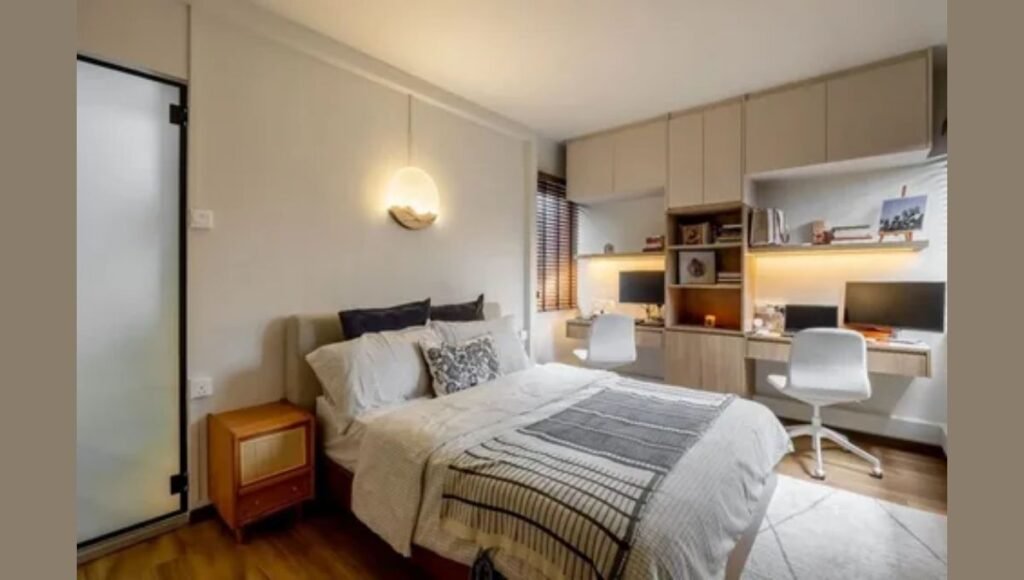
A well-designed guest room should feel welcoming without occupying too much space. Smart bedroom storage solutions can help keep the room organized and comfortable for visitors.
Kids’ Bedroom Size
The average kids bedroom size generally falls between 100 and 120 square feet. Most children’s rooms comfortably fit a twin bed or twin XL bed, along with a study desk and storage units.
As children grow, their needs change. A flexible kids bedroom size allows room for learning, playing, and additional furniture while maintaining good movement clearance.
Secondary Bedroom Size
A standard bedroom size for secondary bedrooms is often 10 x 12 feet, providing about 120 square feet of living space. These rooms are commonly used for family members, guests, or home offices.
Because of their versatility, secondary bedrooms are an important part of modern home design. Proper bedroom layout dimensions and thoughtful furniture placement can make these rooms feel larger and more functional.
Nursery Bedroom Size
Most nurseries range from 80 to 100 square feet, making them one of the smallest bedroom types. Suitable nursery room dimensions allow enough space for a crib, changing station, and storage cabinet.
Although babies require less room initially, planning for future growth is important. A nursery that can later transition into a child’s bedroom offers greater long-term value and flexibility.
Average Master Bedroom Sizes across Different Countries
Bedroom sizes vary around the world. In the United States and Australia, master bedrooms tend to be larger. In Japan and South Korea, limited living space often results in smaller rooms despite efficient designs.
These variations show how culture, land availability, and housing costs affect bedroom sizes around the world. Even so, comfort, functionality, and smart planning remain universal priorities in modern residential design.
Average Bedroom Sizes in Different Home Types
Apartments generally offer smaller bedrooms than detached homes. Luxury properties often feature oversized primary suites with extensive storage and relaxation zones. This creates noticeable differences in bedroom dimensions by home size.
Custom homes provide the greatest flexibility. Owners can choose the best size for a master bedroom based on lifestyle preferences, future needs, and available land. Thoughtful planning leads to a more efficient bedroom floor plan.
Things to Consider Before Choosing Your Master Bedroom Size
Before selecting room dimensions, think about your bed size, storage requirements, furniture collection, budget, and long-term plans. These factors influence the ideal bedroom size more than trends or appearances.
A room designed around actual needs performs better over time. Proper bedroom measurements, sufficient bedroom clearance requirements, and realistic expectations help create a comfortable space that remains functional for years.
Practical Design Tips for an Ideal Master Bedroom Layout
A successful layout starts with smart furniture placement. Position the bed as the focal point while maintaining clear walking paths. Good spacing improves traffic flow and prevents the room from feeling cramped.
Natural elements also matter. Maximizing natural light, using a light color palette, and adding layered lighting can make even modest rooms feel larger. These techniques enhance bedroom aesthetics and visual appeal.
Strategies for Maximizing Space in Small and Standard Bedrooms
Small bedrooms can feel surprisingly spacious with the right approach. Solutions such as vertical storage, floating shelves, built-in storage, and under-bed compartments increase storage without consuming valuable floor area.
Space-saving furniture can make a major difference. A Murphy bed, sofa bed, or storage ottoman adds flexibility while preserving floor space. Combined with a minimalist bedroom design, these strategies improve visual space and overall functionality.
Conclusion
The average master bedroom size provides a useful benchmark for homeowners, designers, and builders. While the typical room measures around 224 square feet, the right dimensions depend on your furniture, lifestyle, and future goals.
By understanding average bedroom size, master bedroom dimensions, standard bedroom dimensions, bedroom square footage, and bedroom size requirements by code, you can create a practical and comfortable bedroom that supports both daily living and long-term value.
FAQs
What is a good size for a master bedroom?
A good size for a master bedroom is typically 14×16 feet (224 square feet) or larger. This provides enough room for a king-size bed, storage furniture, and comfortable walking space.
Is 12×12 a good size master bedroom?
Yes, a 12×12-foot bedroom can work as a small master bedroom. It comfortably fits a queen-size bed and basic furniture, though space may feel limited with a king-size bed.
Is 15×15 a good size master bedroom?
Yes, a 15×15-foot bedroom is considered a spacious master bedroom. It offers plenty of room for a king-size bed, dressers, nightstands, and even a small seating area.
Is 12×15 a good bedroom size?
Yes, a 12×15-foot bedroom is a good size for most homeowners. It provides enough space for larger furniture while maintaining comfortable movement around the room.
Is a 14×12 bedroom too small?
No, a 14×12-foot bedroom is not too small. With 168 square feet of space, it can easily accommodate a queen-size bed, storage furniture, and adequate walking clearance.