Magazine Dimensions: Boosting Reader Engagement in 2026
Magazine dimensions play a key role in design, readability, printing costs, and overall reader engagement. As publishing trends evolve in 2026, unique formats such as square-sized magazines, including the popular 8.5 x 8.5-inch format, are gaining attention for their visual appeal and reader interaction.
Understanding magazine sizes is essential for publishers, designers, and advertisers when creating effective publications. Different industries use different formats based on audience needs and content presentation. A strong understanding of magazine size, print layout, page dimensions, publication format, and paper size ensures professional and successful magazine production.
Standard Magazine Size
It is fascinating to discover the range of standard magazine sizes that cater to different audiences and purposes. The most popular magazine size is 11 inches tall by 8.5 inches wide (U.S. letter size), which is ideal for standard publications and offers ample space for vibrant imagery and text.
The tabloid magazine format, measuring 11 × 17 inches, is perfect for those visually rich publications that want to make a statement and capture attention on every page.
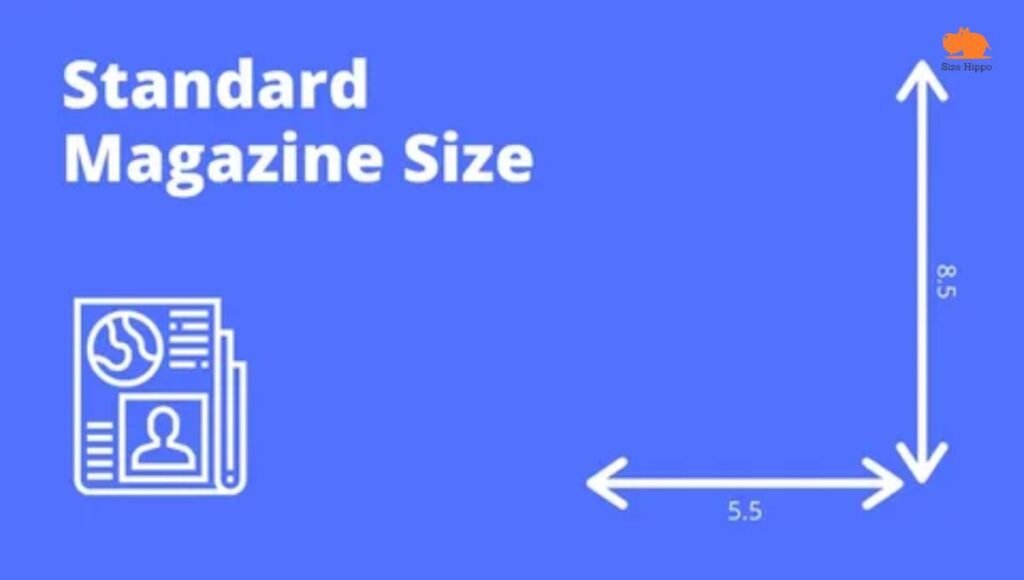
Digest size, at 5.5 × 8.5 inches, provides a more compact alternative, making it easier to carry while still delivering content that resonates with readers. This smaller format often appeals to audiences who appreciate concise articles and striking visuals without the bulk of a full-sized magazine.
Digital Magazine Dimensions VS Print Magazine Dimensions
The digital magazine format offers a large canvas that adapts to different screen sizes, delivering a responsive design that improves user engagement. These flexibility specifications, tailored for platforms like tablets and smartphones, empower creators to explore vertical-scrolling layouts or interactive elements that simply aren’t feasible in print.
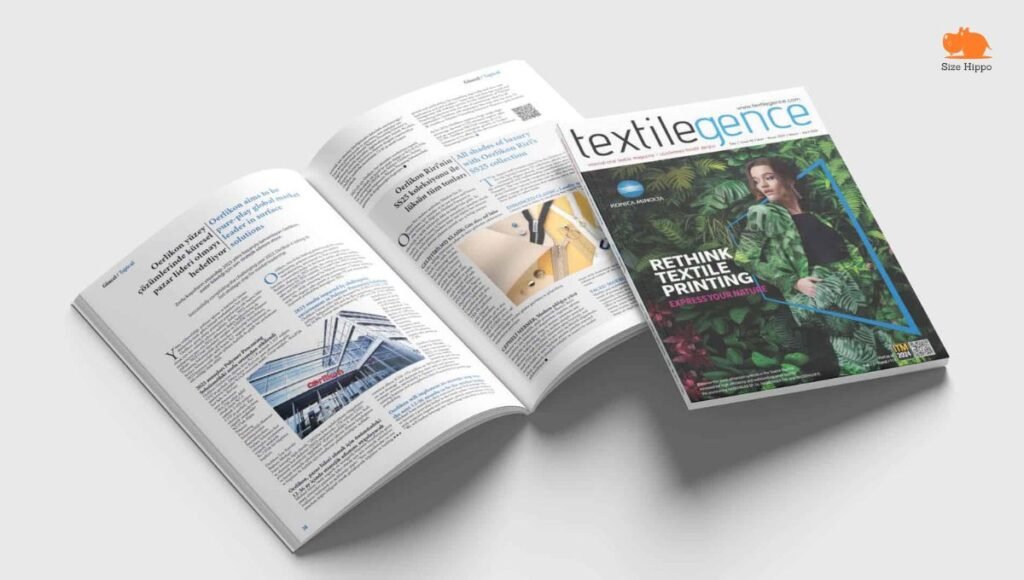
The print magazine format adheres to standardized dimensions, often around 8.5 x 11 inches or 8 x 10.5 inches, which dictate the layout and visual storytelling techniques. The tactile nature of printed materials creates a distinct sensory experience; flipping through pages and feeling their texture can evoke nostalgia and a sense of presence, a connection often missing in the abstract digital realm.
The differences between digital magazine dimensions and traditional print magazine dimensions go beyond mere numbers.
| Types of Magazines | Magazine Size in inches | Magazine Size in mm | Magazine Uses |
| Digest Size Magazine | 5.5 × 8.5 inches | 140 × 216 mm | Compact magazines such as Reader’s Digest |
| Pocket Size Magazine | 4 × 6 inches | 102 × 152 mm | Mini magazines like travel guides |
| Square Size Magazine | 8 × 8 inches or 10 × 10 inches | 203 × 203 mmor 254 mm | Boutique publications & Photo art |
| Oversized/Large Magazine | 9 × 12 inches | 229 × 305 mm | Fashion, luxury, lifestyle, and high-end photography magazines |
| US Letter Size Magazine | 8.5 × 11 inches | 216 × 279 mm | Most common size in the United States |
| Tabloid Size Magazine | 11 × 17 inches | 279 × 432 mm | Newspapers |
Types of Magazines & Standard Magazine Sizes
- Digest Size Magazine
- Pocket Size Magazine
- Square Size Magazine
- Oversized/Large Magazine
- US Letter Size Magazine
- Tabloid Size Magazine
Digest Size Magazine
Digest size magazines, measuring 5.5 × 8.5 inches, are a favorite choice for both publishers and readers. Dimensions of digest-sized magazines significantly reduce paper costs, allowing them to prioritize quality content over quantity. Digest-size magazines fit comfortably in bags, offering an inviting option that blends convenience with engaging storytelling.

This format encourages creative layouts and design, making it perfect for niche topics that resonate deeply with specific audiences. Whether it’s food, travel, or lifestyle, the digest size invites readers to explore more intimate, focused content without feeling overwhelmed.
Pocket Size Magazine
Pocket-sized magazines, measuring between 3.5 × 5 inches and 4 × 6 inches, are compact publications that serve as travel guides, presenting curated travel tips and hidden gems. Imagine flipping through a beautifully designed magazine while waiting in a cafe or on a train, finding inspiration for your next getaway, tailored just for your whims.
Pocket-sized poetry collections resonate deeply in our fast-paced lives. Specialty publications delve into niche topics, engaging readers with diverse interests. Their design allows for slip-in convenience, perfectly suited for purses, jacket pockets, and car glove compartments, ensuring that a thoughtful read is always just within reach.
Square Size Magazine
Square Magazine stands out in the crowded landscape of art, photography, and design publications by embracing a unique 8 × 8 inches or 8.5 × 8.5 inches format. Square magazine elevates visual storytelling, allowing for an immersive reading experience that challenges traditional layouts. The symmetrical appeal of squares not only captures attention but also instills a sense of balance.
Square Size Magazine is the format that invites artists and photographers to play with composition, creating a harmonious blend of visuals and text that resonates long after the first glance. Readers become more than spectators; they are drawn into a world where each spread tells a story, urging them to engage with the work on a deeper level.
Oversized/Large Magazine
Oversized magazines, also called large magazines, are redefining the reading experience, particularly in niche fields like fashion, architecture, and fine art. With premium magazine dimensions ranging from 9 × 12 inches to 12 × 15 inches, these publications transform conventional content into a visually stunning journey.
In fashion, the larger dimensions of magazines allow for intricate details in fabric textures and colors that smaller formats simply can’t capture. Similarly, in architecture and fine art content, every photograph becomes a statement piece, inviting the looker to explore the nuances of design and craftsmanship.
US Letter Size Magazine
US Letter Size Magazine dimensions (8.5 x 11 inches) offer a unique canvas for creativity, making them a popular choice among publishers. This size strikes an ideal balance between portability and visual appeal, allowing for high-quality imagery and engaging layouts without overwhelming the reader.
The magazine’s dimensions provide a versatile platform for a variety of content types, be it in-depth articles, vibrant photo essays, or stunning advertisements. The larger surface area allows for striking design elements that can capture attention right away, helping your publication stand out in an ever-crowded media landscape.
With digital consumption on the rise, opting for a physical magazine in US Letter size also provides a tactile experience that many readers crave, merging nostalgia with modernity. This approach can create a more profound emotional connection, enhancing the overall impact of your publication.
Tabloid Size Magazine
When it comes to magazine dimensions, the tabloid size offers a unique blend of portability and impact. Typically measuring 11 x 14 inches, these publications stand out not just for their size but also for their vibrant, attention-grabbing layouts.
The larger format allows for breathtaking imagery and bold headlines, drawing readers in as soon as they catch a glimpse on a newsstand or in their mailbox. Unlike smaller formats, tabloid magazines invite a more immersive reading experience, encouraging deeper engagement with the content and visuals.
The rise of digital consumption hasn’t diminished the allure of tabloid magazines. In a world of fleeting social media moments, the tangible feel of a well-designed tabloid becomes a cherished artifact that readers love to turn to for entertainment and insight.
They balance glossy images with thought-provoking articles in a way that captivates not just casual readers but also dedicated fans. This format’s innate versatility makes it ideal for a variety of genres, from celebrity gossip to serious investigative journalism, reaffirming its place in contemporary media.
You can also read about iPhone wallpaper Dimensions
Conclusion
By understanding the magazines’ dimensions, creators can tailor their layouts, ensuring every reader connects with the publication’s intent and style. The choice of magazine size is not just about tradition. It is a strategic decision that shapes how stories unfold and engage the reader’s imagination.
The future of magazine dimensions holds exciting opportunities to engage readers in meaningful ways as we move into 2026. By leveraging advancements in technology and design, publishers can create dynamic and captivating formats that draw readers in. Enhancing interactivity and offering personalized content will not only attract new audiences but also nurture loyalty among existing subscribers.
FAQs
What are normal magazine dimensions?
Most magazines are around 8.5 × 11 inches or 6 × 9 inches, though sizes vary depending on the publication and design style.