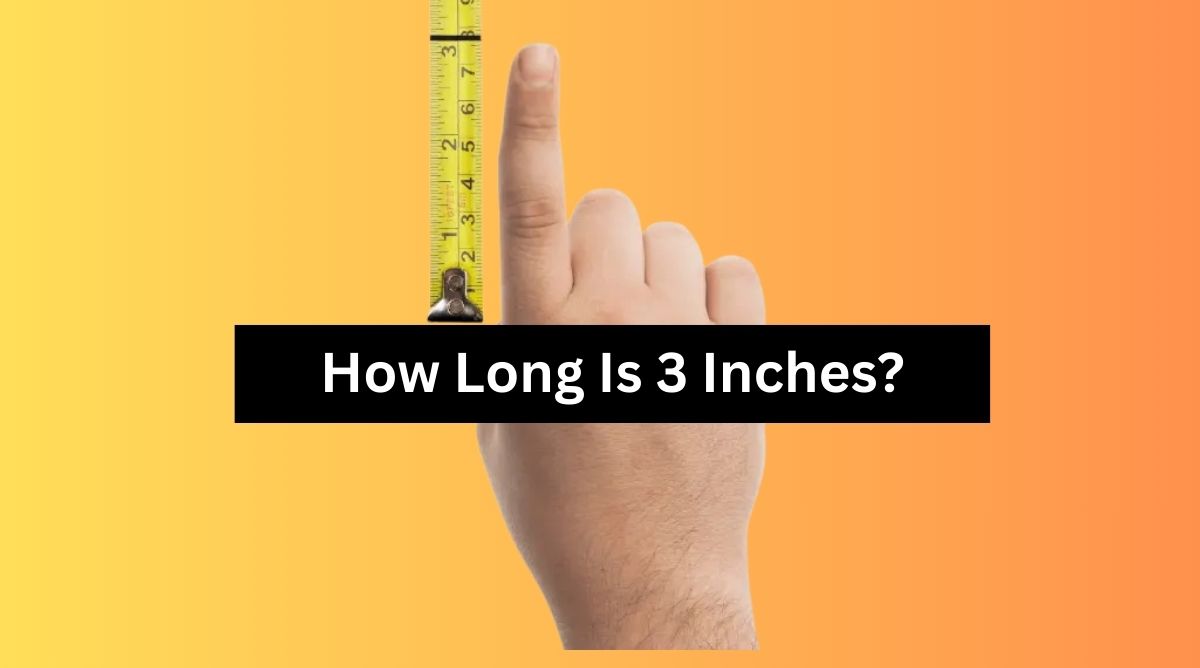
How Long Is 3 Inches? 19 Real Objects to Visualize It (With Chart)
How long is 3 inches is a question that sounds simple until you are standing in a hardware aisle or trying to describe a package size without a ruler in your hand. Three inches sits in an awkward middle ground. It is too small to picture as “about a foot” and too large to wave off as “just a couple of centimeters.”
This guide walks through what 3 inches actually looks like using objects you already own, so the next time you need to estimate a length, you have a real memory to reach for instead of a guess.
Quick Answer
3 inches equals 7.62 centimeters, 76.2 millimeters, or 0.25 feet. It is close to the width of a standard credit card (3.37 in), the diameter of a hockey puck (3 in exactly), or three US quarters lined up edge to edge (about 2.87 in).
3 Inches: Unit Conversion Table
| Unit | Value |
|---|---|
| Inches | 3 in |
| Feet | 0.25 ft |
| Yards | 0.083 yd |
| Millimeters | 76.2 mm |
| Centimeters | 7.62 cm |
| Meters | 0.0762 m |
Conversions like this rely on the internationally fixed inch-to-centimeter ratio, which the NIST unit conversion guidance sets out in detail for anyone doing precise imperial-to-metric work.
How Close Are Common Objects to 3 Inches?
| Object | Approximate Length | How It Compares |
|---|---|---|
| Standard 10d nail | 3 in | Matches exactly |
| Hockey puck (diameter) | 3 in | Matches exactly |
| Credit or debit card (width) | 3.37 in | About 0.4 in longer |
| Folded dollar bill | ~3.07 in | Slightly longer |
| Three US quarters, lined up | ~2.87 in | Slightly shorter |
| Baseball (diameter) | 2.86 to 2.94 in | Slightly shorter |
| Tennis ball (diameter) | 2.57 to 2.70 in | Noticeably shorter |
Visualizing 3 Inches Without a Ruler
Most people do not carry a tape measure, so mental anchors matter more than exact numbers. A standard credit card or gift card measures about 3.37 inches wide, which makes it one of the easiest references to picture since almost everyone has one in a wallet right now. Once you have that image locked in, you can scale it down slightly, since 3 inches is a touch shorter than a card’s width, to picture the true length.

It also helps to compare 3 inches with lengths just above and below it. If you have already looked at 4 inches or 5 inches on this site, 3 inches is roughly a third shorter than the first and nearly half the second, which keeps the whole
How to Measure 3 Inches on a Ruler
Finding the 3 inch mark on a standard ruler is straightforward once you know what to look for.
- Line up the zero mark with one end of the object.
- Count three full numbered marks from the zero end. Each one represents 1 inch, and most rulers divide each inch into smaller eighth or sixteenth marks for finer detail.
- The point lined up with the third numbered mark is your 3 inch measurement.
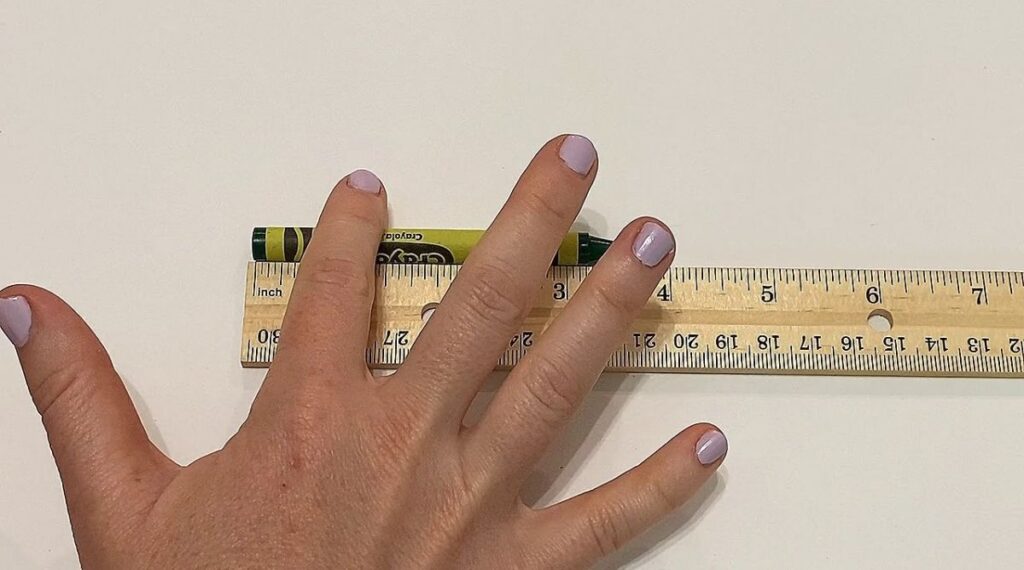
If you only have a metric ruler on hand, look for 7.62 centimeters instead, since that is the exact metric equivalent. For a smaller reference point, this site’s guide to 1 inch shows what a single increment on that ruler looks like before you scale up to three.
Things That Are 3 Inches Long
- Index Finger
- A Pen Cap
- Credit Card or Debit Card
- Twist Ties
- Sticky Notes
- Half of an iPhone 15
- Tennis Ball
- Crayons
- Folded US Dollar Bill
- Three Paper Clips
- Hockey Puck
- Three US Quarters
- Standard 10d Nail
- Quarter Height of a 2 Liter Soda Bottle
- Baseball
- Three Crown Caps
- Five AA or Seven AAA Batteries
- Half of a Bifold Wallet
- Soup Can
Index Finder
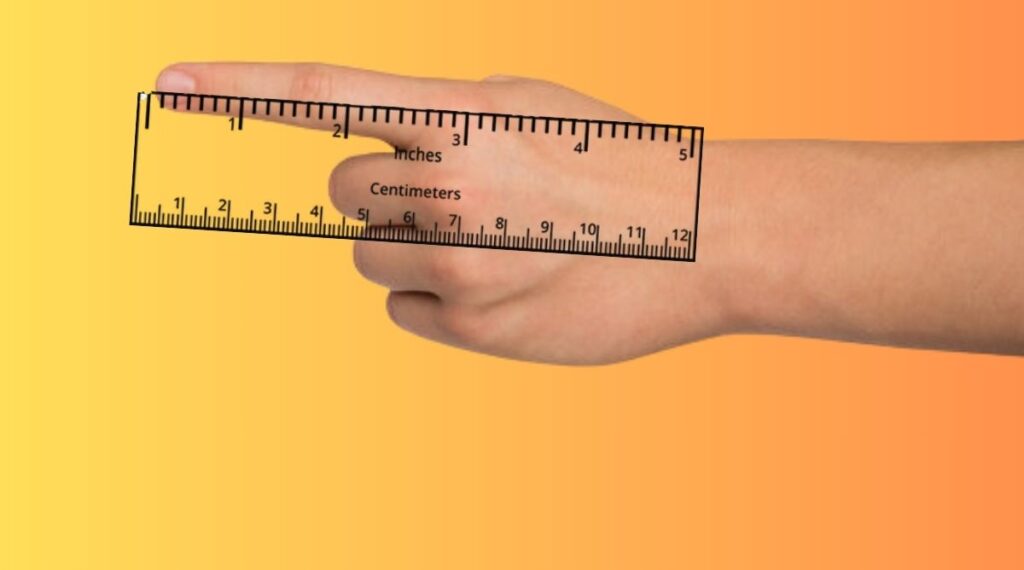
The average adult index finger is close to 3 inches long, which makes it one of the most convenient built in measuring tools available. Each of its three sections measures roughly 1 inch, so you can count knuckle segments the same way you would count marks on a ruler.
This trick works well for quick estimates when cooking, crafting, or checking whether an object will fit somewhere without walking to get a tape measure.
A Pen Cap
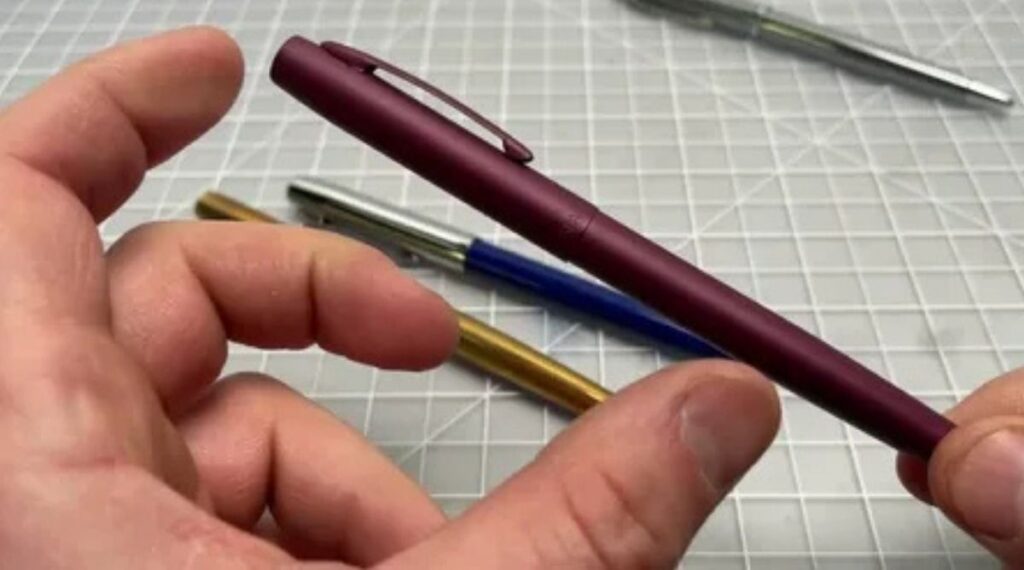
A standard pen cap is approximately 3 inches long, which is long enough to fully cover the nib while still fitting comfortably in a shirt pocket or pen holder. This length protects the tip from damage and keeps ink from drying out between uses.
Many caps also include a clip near the top, which adds a small amount of extra length while making the pen easier to carry. Many caps also include a clip near the top, which adds a small amount of extra length while making the pen easier to carry.
Credit Card or Debit Card

Under the ISO/IEC 7810 ID 1 standard, credit and debit cards are manufactured at 3.37 inches wide and 2.125 inches tall. That standardization is why a card fits every wallet, card reader, and vending machine the same way regardless of the issuing bank.
It also makes the card a reliable stand-in ruler: since it is only slightly longer than 3 inches, subtracting a small margin from the card’s width gets you close to the true measurement. The same ISO dimensions apply to a gift card, so either one works as a reference in a pinch.
Twist Ties
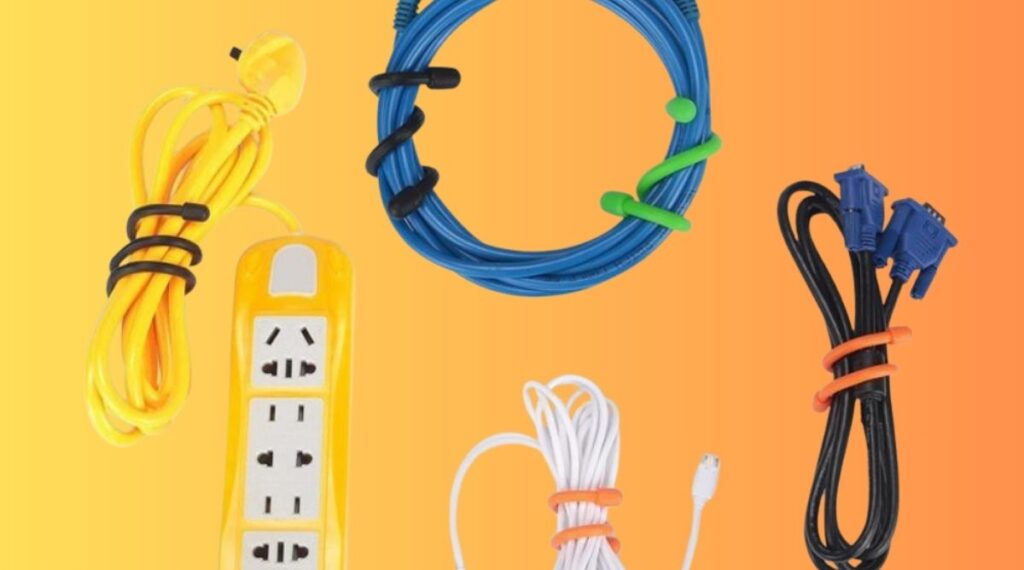
Twist ties measuring around 3 inches show up constantly in kitchen and garage organization. Their wire core, wrapped in paper or plastic, holds a bend after twisting, which is what makes them useful for sealing bread bags, bundling loose cables, and keeping snack bags airtight between uses.
Sticky Notes
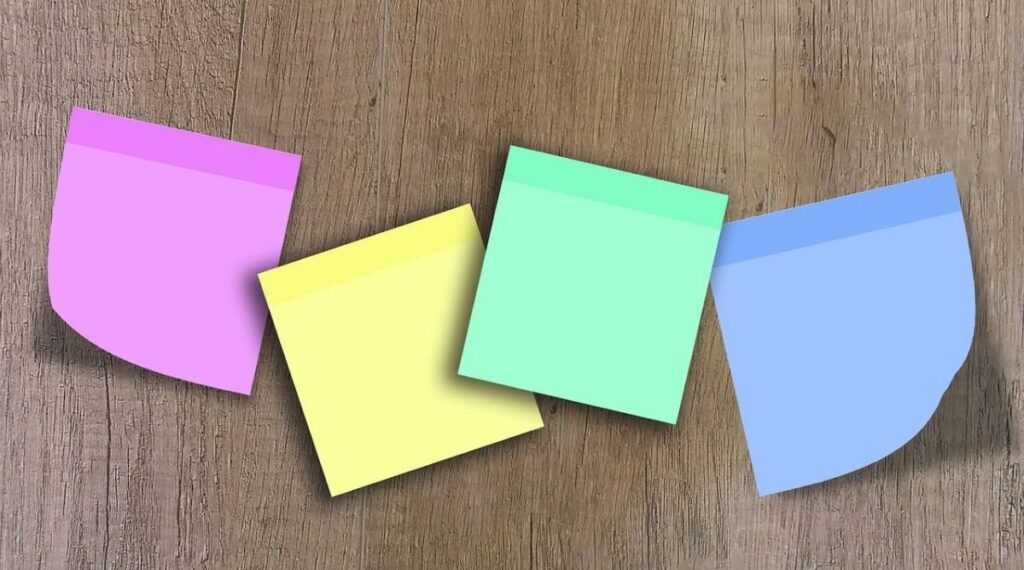
Standard square sticky notes measure 3 inches on each side, which makes them one of the most common desk items for a quick visual reference. Because the size is consistent across most brands, lining several notes edge to edge gives a fast way to estimate 6, 9, or 12 inches without pulling out a ruler. Students and professionals often use them this way during brainstorming sessions when a precise measurement is not required.
Half of iPhone 15
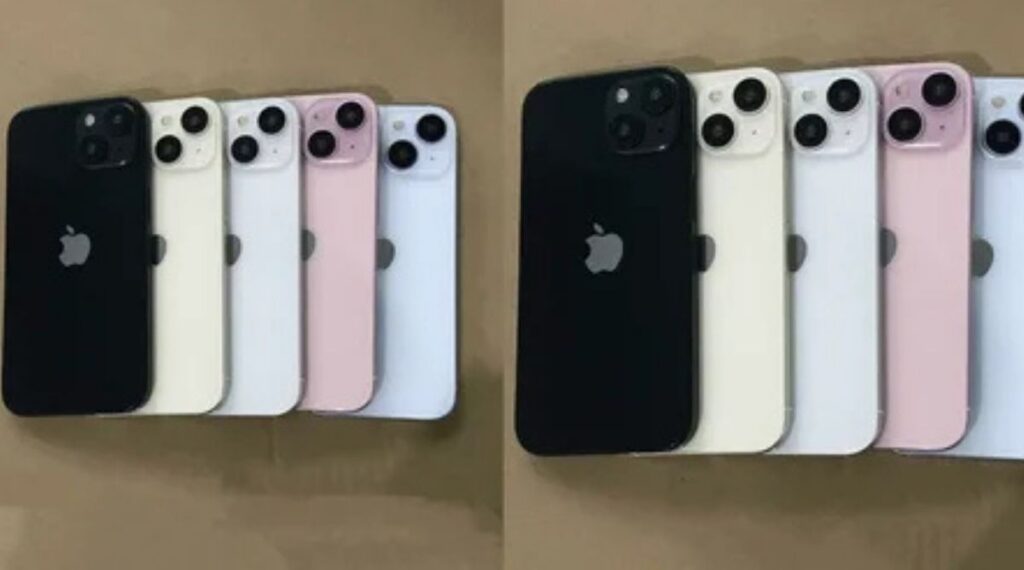
The iPhone 15 stands 5.81 inches tall, so half its height lands at approximately 2.9 inches, close enough to 3 inches to use as a rough visual reference. Apple’s manufacturing tolerances keep this dimension consistent across units, which is why the halved height works reliably as a comparison regardless of which iPhone 15 you happen to have on hand.
Tennis Ball

An official tennis ball has a diameter between 2.57 and 2.70 inches, which places it noticeably shorter than 3 inches but still close enough to be a useful mental anchor. Two tennis balls placed side by side measure roughly 5 to 5.4 inches, which is a helpful reference when you need a slightly longer estimate. Manufacturers hold tight tolerances on this size, so the comparison stays reliable no matter which ball you grab.
Crayons

Standard crayons measure between 3.5 and 3.75 inches long, making them slightly longer than 3 inches but still a familiar classroom reference for teaching estimation. Because children handle crayons daily, comparing an unfamiliar object to a crayon’s length is an easy way to build early measurement intuition before introducing an actual ruler.
Folded US Dollar Bill

A US dollar bill measures 6.14 by 2.61 inches, and the dollar bill dimensions are identical across every denomination. Folded in half along its length, the bill comes out to roughly 3.07 inches, just over 3 inches and close enough to use as a pocket-sized reference when a ruler is not available.
3 Paper Clips
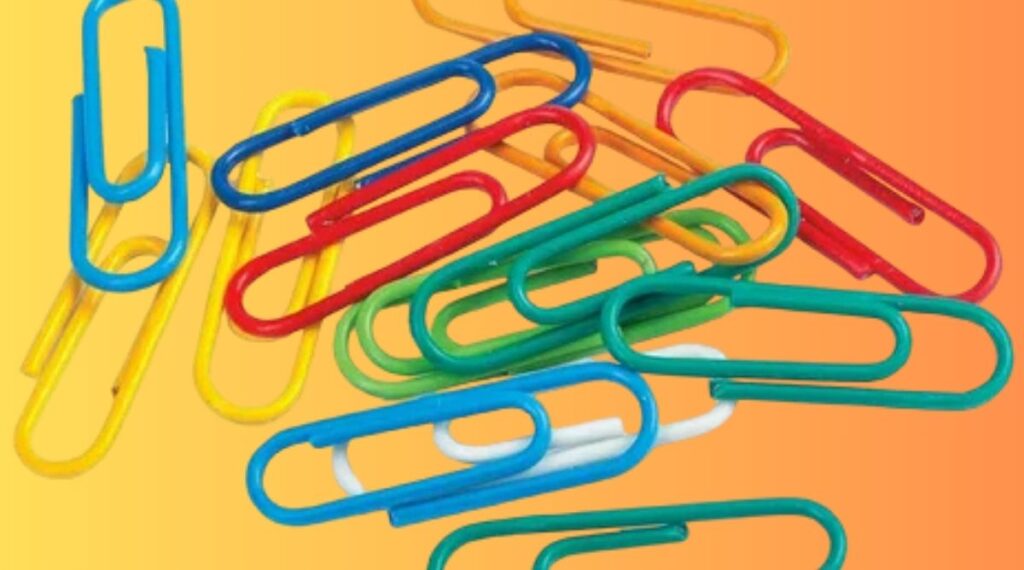
A standard paper clip measures about 1 inch long, so three placed end to end create a simple 3-inch measuring tool. This works because paper clip dimensions are standardized across most office suppliers, making the comparison consistent whether the clips came from a school, an office, or a junk drawer at home.
Hockey Puck

A standard hockey puck measures exactly 3 inches in diameter and 1 inch thick, making it one of the most precise real world references for this length. For comparison, a baseball’s diameter runs slightly smaller at 2.86 to 2.94 inches. Stacking three hockey pucks flat also produces a 3 inch tall stack, since each one is exactly 1 inch thick.
Three US Quarters
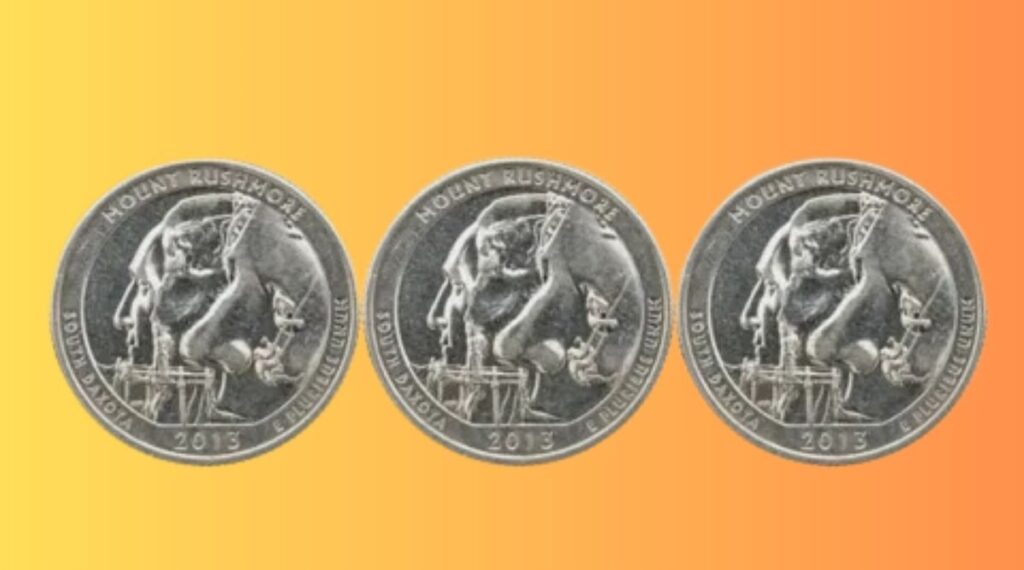
Three US quarters lined up edge to edge measure approximately 2.87 inches, slightly under 3 inches but close enough for a quick estimate. The US Mint holds tight manufacturing tolerances on coin diameter, so this comparison stays consistent no matter which quarters you use, which makes it a handy trick for anyone who regularly carries change.
Standard 10d Nail

A standard 10d nail measures exactly 3 inches long, making it one of the most precise references on this list. Nail length designations follow the traditional penny system used in construction, where a 10d nail sits between the shorter 8d (2.5 inches) and the longer 16d (3.5 inches). Builders rely on this sizing to choose the right fastener for framing work where holding strength matters.
One Quarter Height of a 2 Liter Soda Bottle
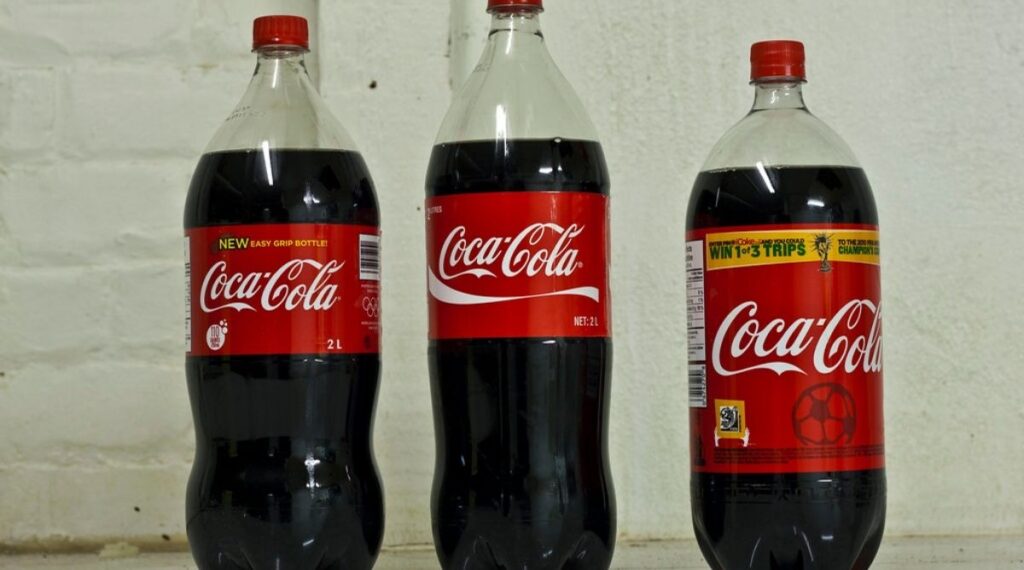
A standard 2 liter soda bottle stands approximately 12 inches tall, so one quarter of that height comes out to roughly 3 inches. This reference is useful in the kitchen since the bottle’s transparent body already provides a built in scale, letting you estimate smaller heights just by looking at where the liquid level sits relative to the base.
Baseball (Ball)

A regulation baseball measures 2.86 to 2.94 inches in diameter, which puts it just under 3 inches and makes it a practical outdoor reference. Since most households have a baseball somewhere in a closet or garage, it doubles as a convenient way to estimate short distances during yard work or backyard projects without needing to go find a tape measure.
Three Crown Caps

A standard bottle crown cap measures about 26 millimeters, or roughly 1.02 inches, across. Three placed side by side come out to slightly over 3 inches, which makes them a workable improvised ruler for anyone who saves bottle caps or has a few sitting in a drawer.
Five AA & Seven AAA Batteries
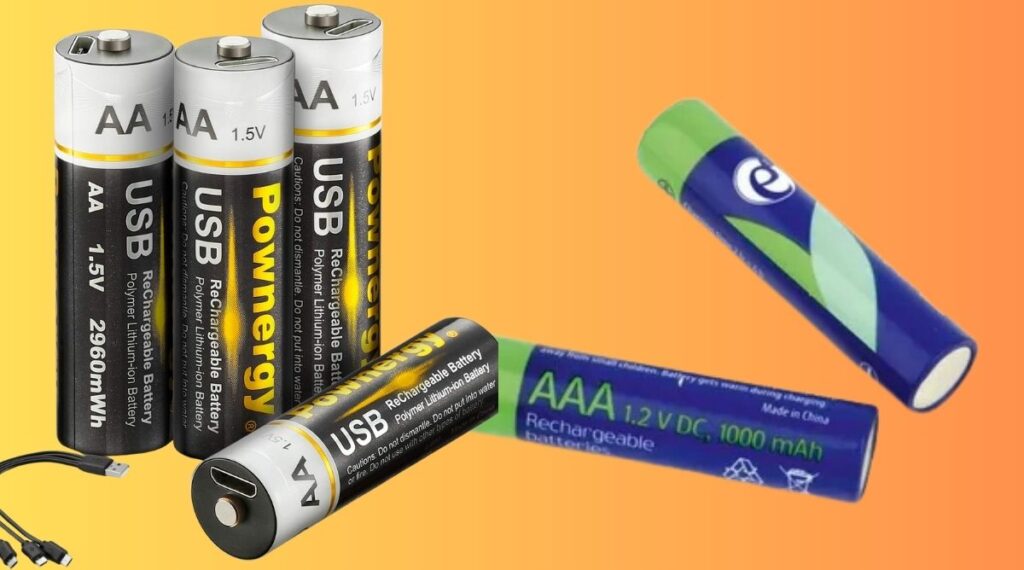
Standard AA batteries measure about 0.57 inches in diameter, so five placed side by side come out to roughly 2.85 inches. AAA batteries are slightly narrower at around 0.41 inches each, meaning it takes seven of them lined up to reach a similar length of about 2.9 inches. Since AA and AAA batteries sit in nearly every household drawer, this comparison is one of the more accessible ones on the list.
Half of a Bifold Wallet
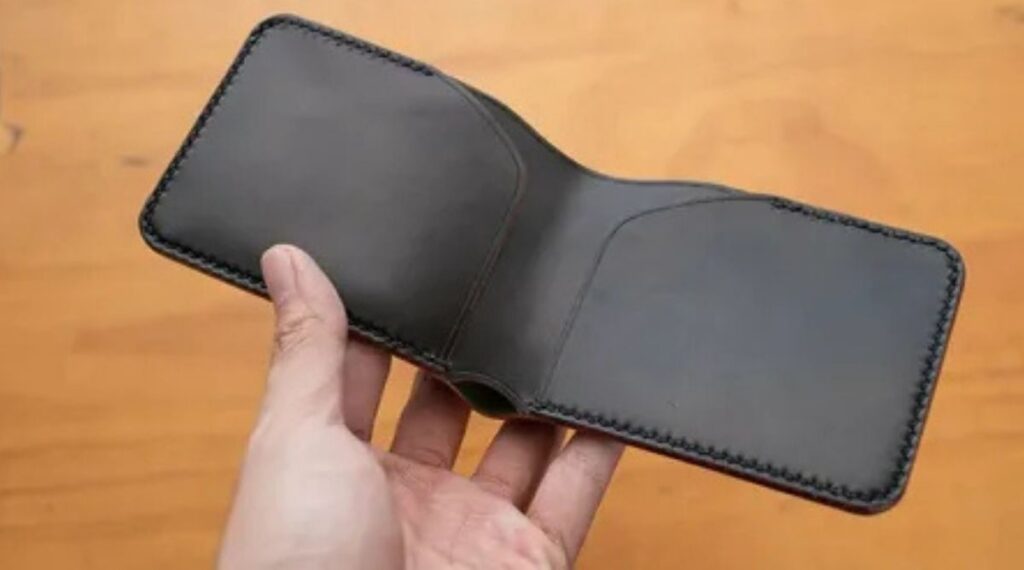
A standard bifold wallet measures about 6 inches wide when opened, which puts the closed width, and roughly half that measurement, close to 3 inches. This dimension is built around standard card sizes so that cards and folded cash fit without excess bulk, which is why most wallet designs converge on a similar closed width regardless of brand.
Soup Can

A standard soup can measures approximately 3 inches in diameter, which makes it a genuinely useful tool for DIY projects like tracing circles or spacing holes evenly. Bean cans and soda cans share a similar diameter, so any of them can substitute in a pinch. The one exception to watch for is the lid, which can be a slightly different width than the can’s body, so measure from the widest part of the can rather than the rim.
3 Inches in Construction and Trade Sizes
Trade measurements do not always mean what the label suggests, and 3 inches is a good example. In US lumber, a “2×4” board is commonly finished at 1.5 by 3.5 inches after milling, not the full nominal size printed on the label.
That means a piece of lumber marketed by a nominal 3 inch dimension can measure differently once it reaches the shelf, which is why contractors and DIYers rely on a tape measure rather than the label alone when a precise 3 inch fit matters. The same logic applies to nail sizing, where the penny system (like the 10d nail above) ties a traditional number to a specific physical length rather than a round number.
Why Getting 3 Inches Right Matters
Small measurement errors compound quickly in practical settings. A 3 inch difference in shelf spacing can mean the difference between a book fitting upright or lying flat. In cooking, a 3 inch gap between dough pieces on a baking sheet prevents them from merging while baking.
In shipping, a package that is 3 inches too large for its box class can trigger a dimensional weight surcharge. Treating 3 inches as an exact reference, rather than rounding loosely, avoids these small but costly mistakes.
Conclusion
How long is 3 inches comes down to a handful of dependable references: a credit card, a hockey puck, three quarters, or a folded dollar bill. None of these require a tape measure, and once one of them sticks in memory, estimating 3 inches in daily situations, from crafting to shipping to home repairs, becomes far more accurate than guessing.
FAQs
How Tall is 3 in Inches?
Three inches is a measurement in the imperial system, equating to 7.62 centimeters. For perspective, it’s slightly shorter than a standard soda can, which measures about 4.83 inches tall.
How Big Around is 3 Inches?
A 3-inch diameter circle has a circumference of about 9.425 inches and an area of 7.069 square inches. These measurements illustrate the circle’s size, showing that 3 inches can encompass more space than it appears.
What can I Use to Measure 3 Inches?
Everyday items can effectively measure 3 inches without a ruler. A credit card, about 3.37 inches long, can estimate this by subtracting one inch. Additionally, a dollar bill, measuring 6.14 inches, can be folded in half to achieve a close approximation. Creative solutions enable accurate measurements using common objects.
How Many cm is 3 Inches Round?
To convert inches to centimeters, multiply by 2.54; thus, 3 inches equals approximately 7.62 cm. For everyday use, rounding to 7.6 cm is acceptable, but for scientific accuracy, use 7.62 cm.
How Tall is 3 inches?
Three inches equals 7.62 centimeters. For comparison, that is slightly shorter than a standard 12 ounce soda can, which stands about 4.83 inches tall.