How Much Is 100 Grams? Easy Conversions, Examples & Everyday Comparisons
How much is 100 grams in real life? Seeing “100g” on a food package, recipe, or product label is easy, but picturing that amount without a scale can be surprisingly difficult. That’s where everyday comparisons make things much simpler. 100 grams is a light weight that you can find in common foods, household items, stationery, and small everyday objects.
Comparing it with familiar things gives you a better idea of how much 100 grams weighs and what it feels like to hold. In this guide, you’ll discover common things that weigh around 100 grams, quick 100-gram conversions, easy weight comparisons, and practical ways to estimate 100 grams without using a scale.
What Does 100 Grams Mean?
100 grams measures mass in the metric system and is widely used for everyday weighing. If you are wondering how much is 100 grams, remember that weight and size are not the same. A fluffy object can look larger than a dense one while weighing exactly 100 grams.
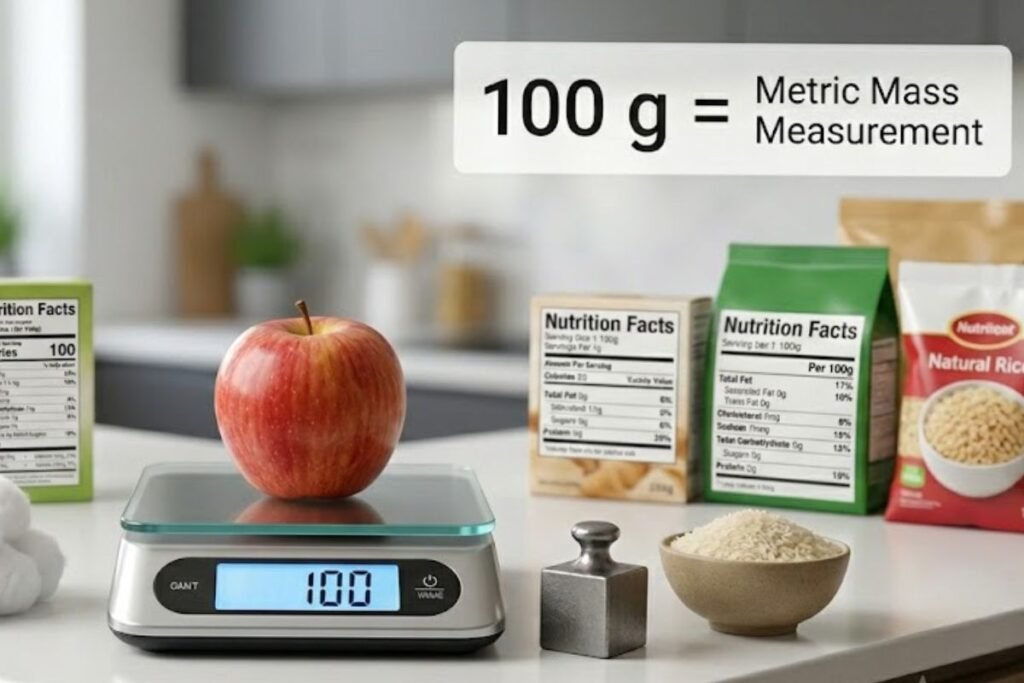
You can also think of 100g as a standard 100 gram portion found on food labels worldwide. It serves as a practical portion size reference, making nutrient comparisons, healthy eating, and meal planning much easier.
How Much Is 100 Grams in Different Units?
Converting 100 grams into other measurements makes it easier for American readers who often use imperial units. Learning these values creates a dependable metric weight conversion reference and removes guesswork when reading recipes or nutrition facts.
The table below offers a quick weight comparison chart that you can bookmark for daily use.
| Measurement | Equivalent to 100 Grams |
| Ounces | 3.5 ounces (approximately 3.53 oz) |
| Pounds | 0.22 pounds or about one-fifth pound |
| Kilograms | 0.1 kilograms |
| Milligrams | 100,000 milligrams |
100 Grams in Ounces
Many people search for 100 grams in ounces because U.S. recipes often rely on ounce measurements. The exact conversion equals approximately 3.5 ounces, making it one of the easiest values to remember. This simple grams to ounces conversion helps bakers, cooks, and fitness enthusiasts prepare accurate meals.
A quick memory trick works well. Imagine a small package weighing just over three ounces. That image makes estimating 100 grams in ounces easier during shopping or cooking when no measuring tools are nearby.
100 Grams in Pounds
The 100 grams in pounds conversion equals about 0.22 pounds, making it a useful 100 gram equivalent when comparing different measurement systems. Although small portions are usually measured in grams, understanding grams to pounds conversion helps you read grocery labels and compare U.S. meat packages with nutrition plans more accurately.
100 Grams in Kilograms
A kilogram contains 1,000 grams so 100 grams equals 0.1 kilograms. This decimal may seem tiny yet it represents an important benchmark for schools, laboratories, and international recipes that rely on metric values.
People often use kilograms for body weight and heavier objects, while grams describe smaller amounts. That simple relationship turns measuring 100 grams into an easy mathematical exercise without needing advanced calculations.
100 Grams in Milligrams
Milligrams represent much smaller units than grams. Since one gram contains 1,000 milligrams, 100 grams equals 100,000 milligrams. Medical research and scientific work commonly rely on these precise figures.
You probably will not weigh food in milligrams at home. Even so, understanding the conversion strengthens your overall weight measurement knowledge and helps you interpret technical information more confidently.
100 Grams Conversion Chart
Sometimes a quick chart answers your question faster than a calculator. The reference below summarizes the most useful conversions and supports fast measuring 100 grams for everyday tasks.
| Unit | Value |
| Grams | 100 |
| Ounces | 3.53 oz |
| Pounds | 0.22 lb |
| Kilograms | 0.10 kg |
This table serves as a practical kitchen weight reference for cooking, baking, and nutrition tracking. It also works as a reliable food weight chart for comparing recipes and calculating 100g nutrition serving values in metric measurements.
15 Common Things That Weigh Around 100 Grams
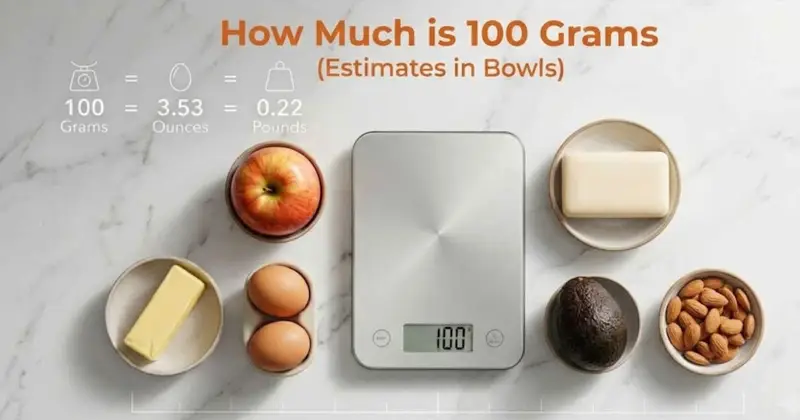
Trying to visualize 100 grams is easier when you compare it with familiar objects. Many people look for foods that weigh 100 grams because numbers alone can be hard to picture.
These everyday examples provide a helpful 100 gram weight comparison and make it easier to understand what does 100 grams look like without using a kitchen scale.
- A Medium Apple
- Two Large Eggs
- A Bar of Soap
- A Deck of Playing Cards
- Four AA Batteries
- A Chocolate Bar
- 20 US Nickels
- 100 Paper Clips
- A Small Banana
- Half Cup of Sugar
- Half Cup of Rice
- A Small Smartphone
- A Computer Mouse
- A Tennis Ball (Approx.)
- A Stick of Butter
A Medium Apple
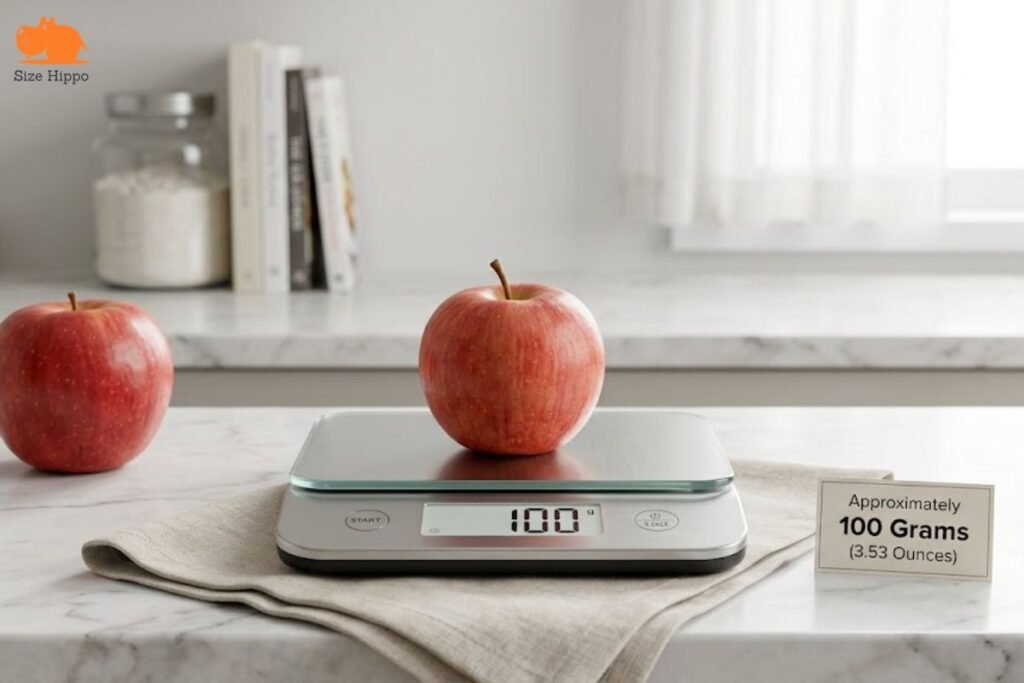
A medium apple often weighs close to 100 grams, although some varieties may be slightly heavier. This fruit serves as one of the easiest food weight examples because most households already have one sitting in the kitchen.
Two Large Eggs
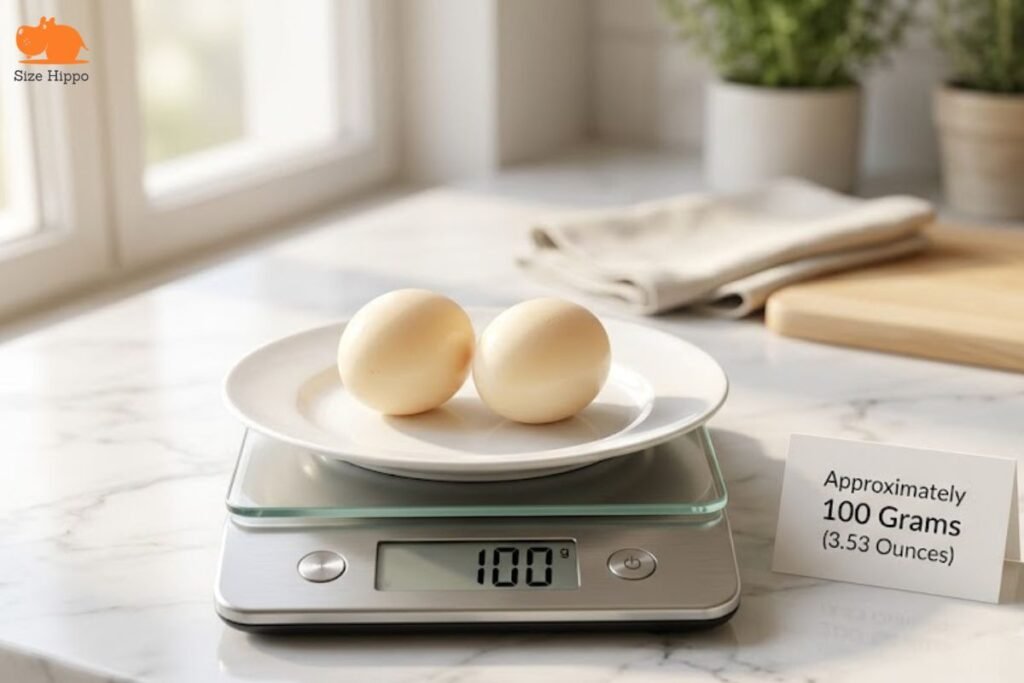
Two large boiled eggs usually come close to a 100 gram portion after removing the shells. This comparison helps anyone preparing breakfast or tracking protein intake with a reliable 100g serving size.
A Bar of Soap
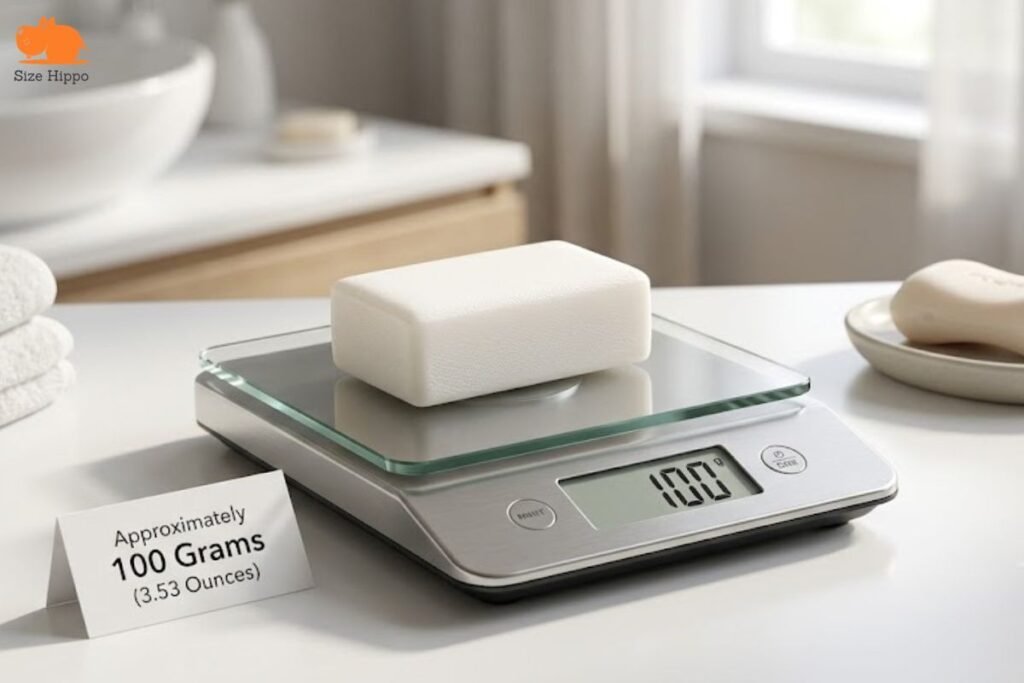
Many travel or personal care soap bars weigh about 100 grams. A standard bar offers a surprising yet useful reference weight when you need a quick estimate away from the kitchen.
A Deck of Playing Cards
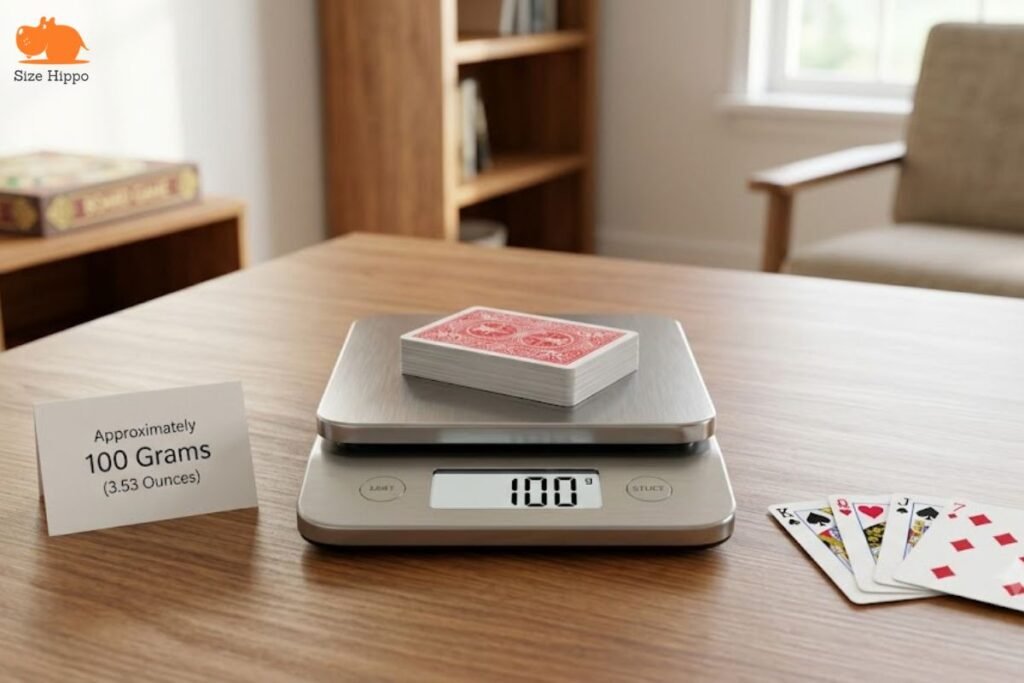
A full deck of playing cards weighs around 100g, depending on the manufacturer and packaging. It provides an easy visual weight comparison because many people already know its size and feel.
Four AA Batteries
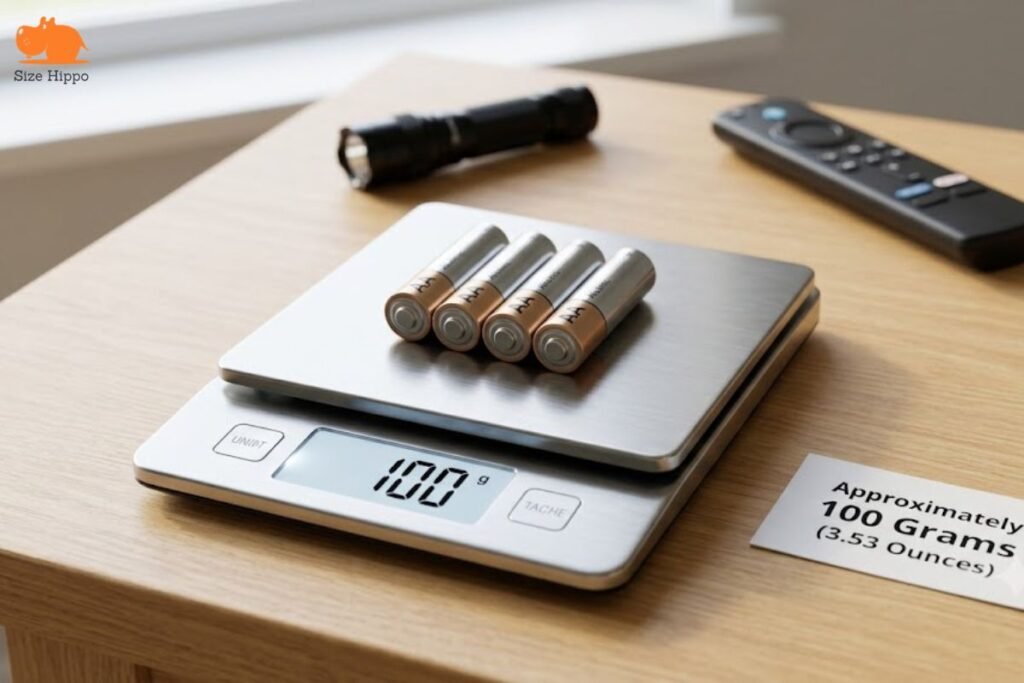
Four standard AA batteries together weigh close to 100 grams. Their compact shape makes them useful when you want to visualize 100 grams using household objects instead of food.
A Chocolate Bar
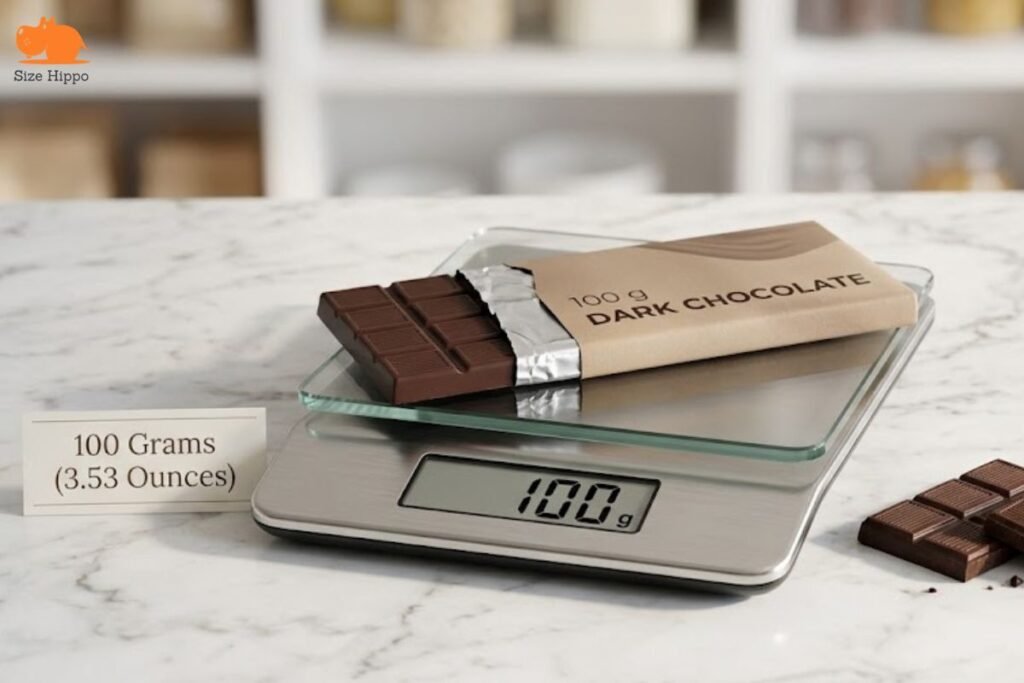
Several premium chocolate products come in 100 grams packages. This familiar snack creates an instant 100 grams example and serves as a practical guide while grocery shopping.
20 US Nickels
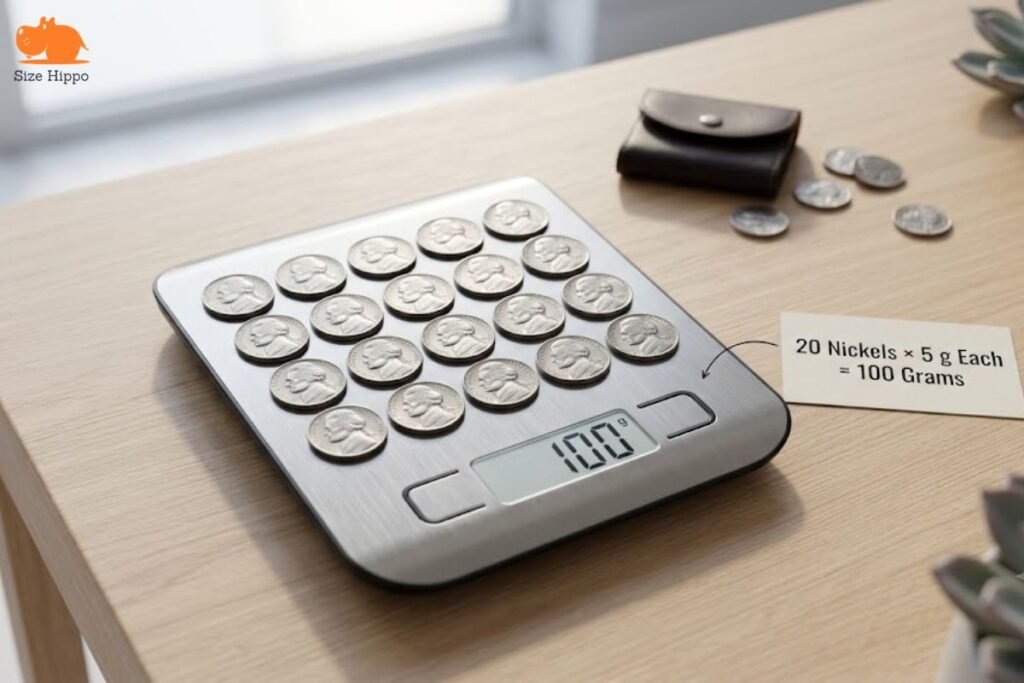
Twenty U.S. nickels together weigh exactly 100 grams because each coin weighs five grams. Coin collections often help with scale calibration and provide a dependable method for 100 grams without a scale.
100 Paper Clips
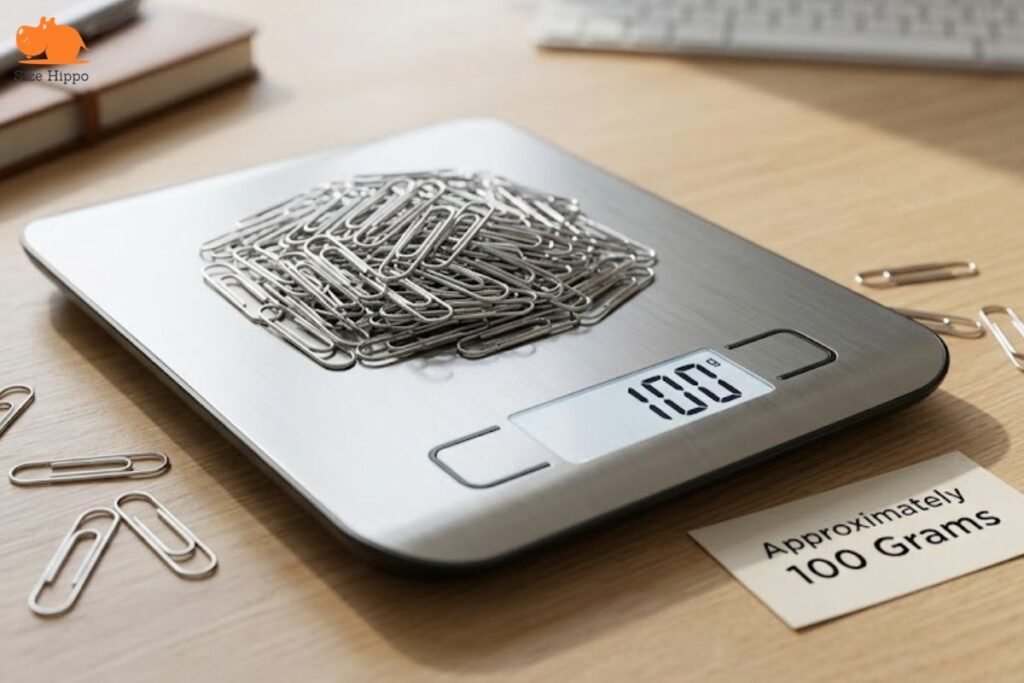
Around one hundred standard paper clips can weigh close to 100 grams, depending on their size. Office supplies become surprisingly helpful everyday items weighing 100 grams when no measuring device is available.
A Small Banana
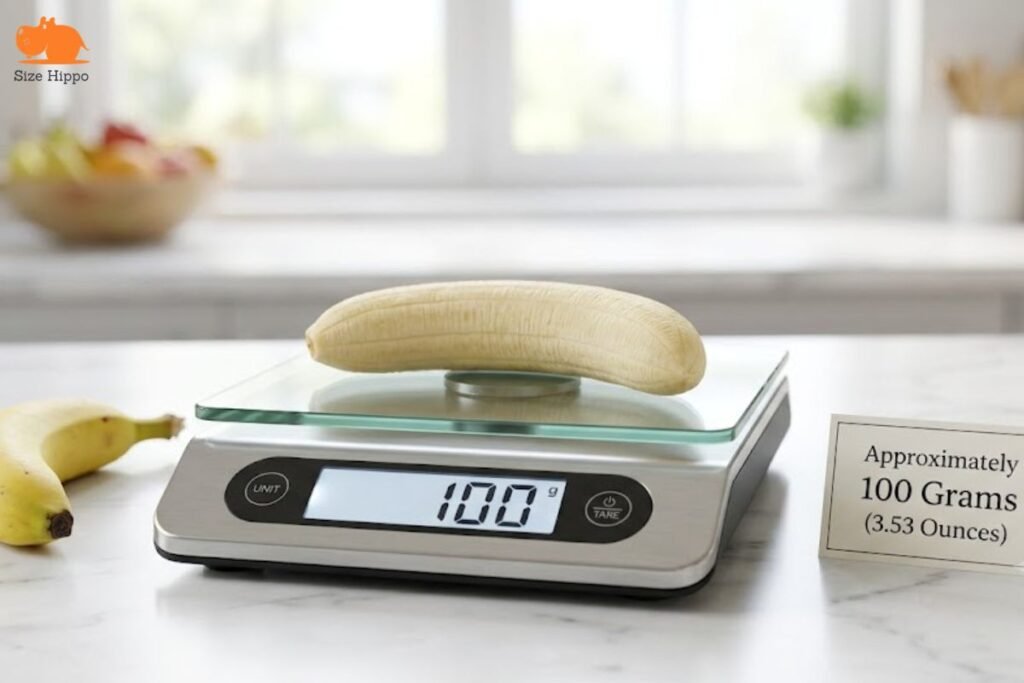
A peeled small banana generally approaches 100 grams. Fruit sizes vary by variety, yet this remains one of the simplest, most common 100 gram foods to remember.
Half Cup of Sugar
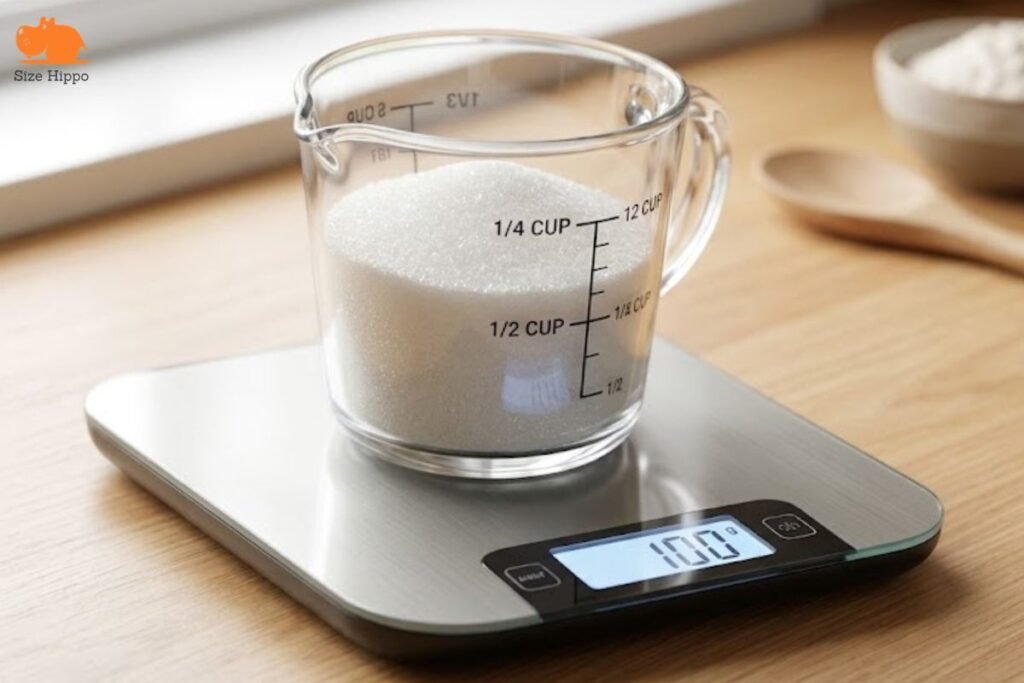
A half cup of granulated sugar weighs close to 100 grams in many recipes. This familiar cup measurement proves useful during baking measurements and everyday cooking.
Half Cup of Rice
/
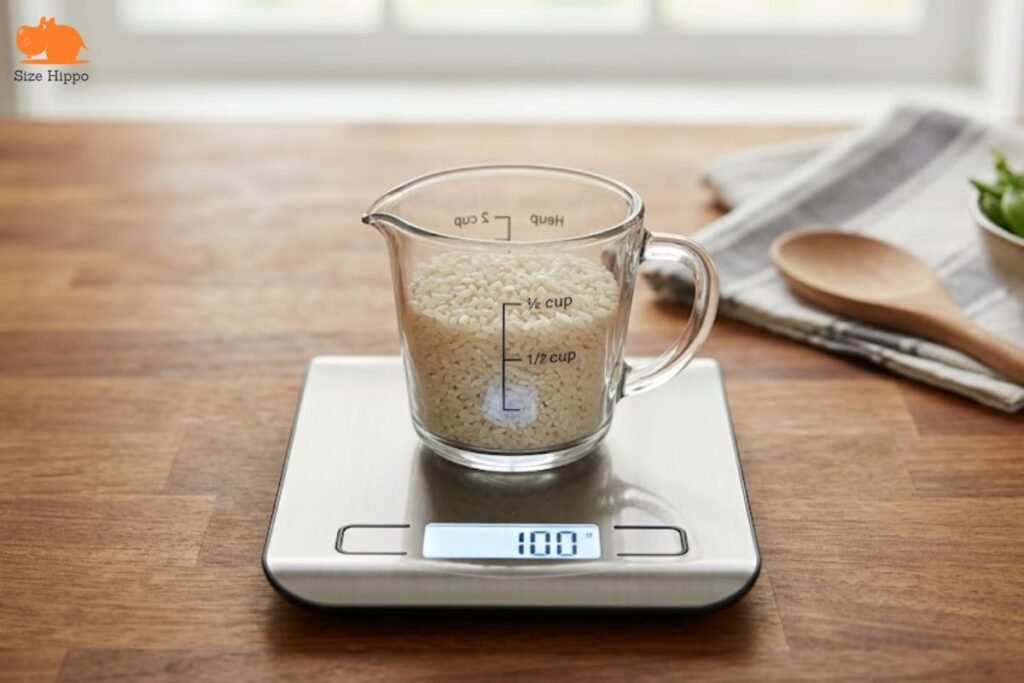
About a half cup of uncooked rice often reaches roughly 100 grams. Home cooks frequently use this estimate as a dependable kitchen weight reference when preparing meals.
A Small Smartphone
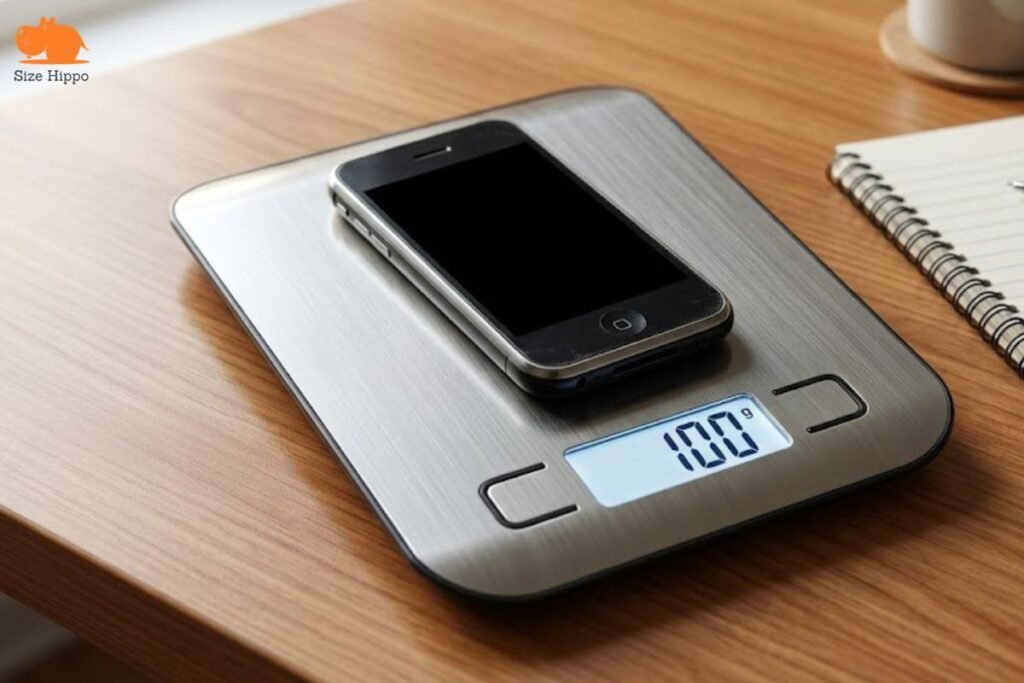
Some compact smartphones weigh near 100 grams, although modern devices often exceed that amount. Older lightweight models provide a good 100 gram equivalent for quick mental comparisons.
A Computer Mouse
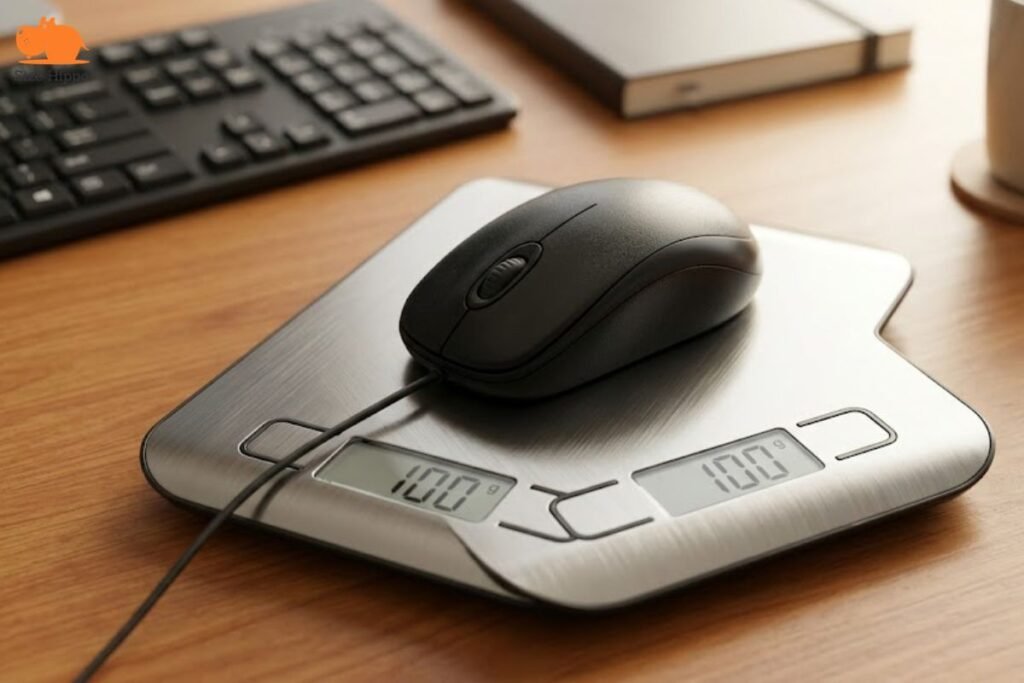
A wired computer mouse commonly weighs around 100 grams. Office workers can use this object as another practical household food weights comparison even though it is not edible.
A Tennis Ball (Approx.)
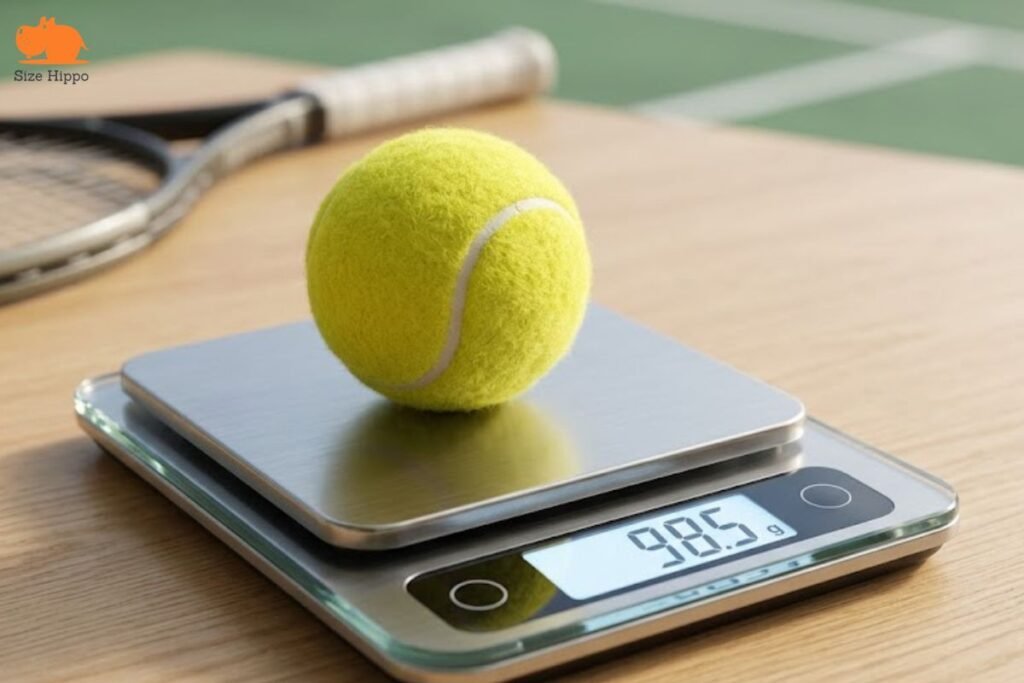
A standard tennis ball weighs less than 100 grams on its own yet comes surprisingly close. Pairing that knowledge with other objects helps improve your understanding of weight measurement in daily life.
A Stick of Butter
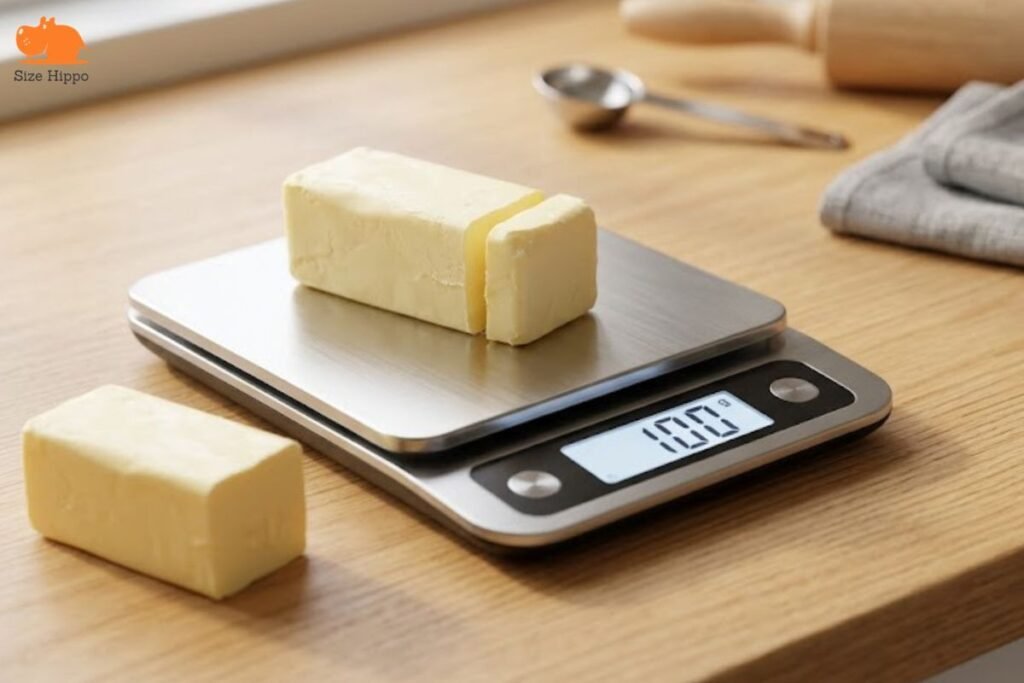
One American butter stick weighs about 113 grams. That means a slightly smaller piece represents almost exactly 100 grams. It remains one of the easiest references for cooking measurements and recipe conversions.
| Everyday Object or Food | Approximate Weight |
| Medium apple | 100 g |
| Two large boiled eggs | 100 g |
| Soap bar | 100 g |
| Deck of playing cards | 100 g |
| Four AA batteries | 96–100 g |
| Chocolate bar | 100 g |
| 20 U.S. nickels | 100 g |
| 100 paper clips | About 100 g |
| Small banana | 100 g |
| Half cup sugar | About 100 g |
| Half cup uncooked rice | About 100 g |
| Small smartphone | Around 100 g |
| Computer mouse | Around 100 g |
| Tennis ball | Around 57–100 g depending on comparison |
| Slightly less than one butter stick | About 100 g |
An interesting fact is that many nutrition labels around the world rely on a 100g nutrition serving because it allows easy product comparisons. Once you recognize these familiar objects, estimating a food portion or checking healthy serving sizes becomes much faster and far more intuitive.
How to Visualize 100 Grams Without a Scale
Estimating 100 grams without a scale becomes easier once you know a few reliable references. Many cooks and fitness enthusiasts visualize 100 grams by comparing familiar objects instead of using exact measurements.
This simple habit saves time during meal preparation and supports consistent portion control in everyday life.
Using Food Items
Common groceries provide one of the simplest ways to estimate 100 grams. A medium apple, a small banana, two boiled eggs, or about a half cup of uncooked rice all come close to this amount. Many people also compare it with almonds, peanuts, rolled oats, or a piece of butter cut slightly smaller than a full butter stick.
Using Coins
Coins offer excellent consistency because governments manufacture them to strict standards. Twenty U.S. nickels equal almost exactly 100 grams, making them useful for scale calibration and quick measuring 100 grams at home. This method creates one of the most dependable visual weight comparison techniques available.
Using Household Objects
Several office and household products weigh close to 100g. A deck of playing cards, a lightweight computer mouse, or four AA batteries can help you estimate a 100 gram weight comparison with reasonable accuracy. Familiar objects like these become valuable reference weight tools when preparing recipes.
Hand Estimation Tips
Your hands can also become measuring tools with practice. Holding a medium tomato, a small banana, or two large boiled eggs repeatedly trains your brain to recognize similar weights. Over time, these repeated experiences improve your understanding of household food weights and make estimating a food portion feel almost effortless.
Why Knowing 100 Grams Is Useful
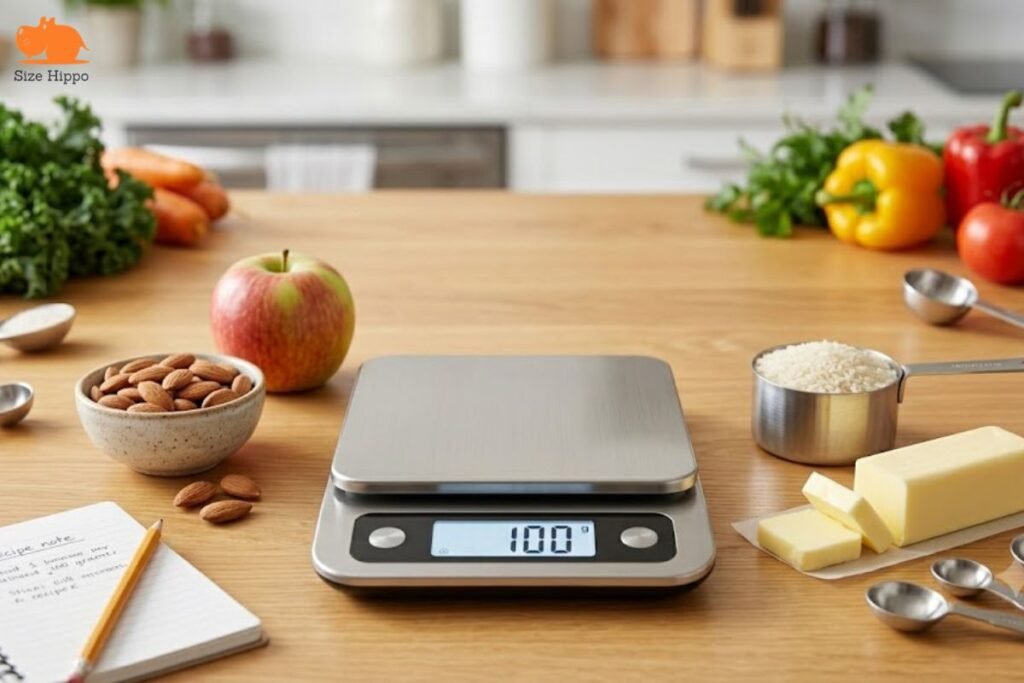
Learning how much is 100 grams has value beyond the kitchen. A 100g nutrition serving and 100g serving size make food comparisons easier, improve calorie tracking, and help you understand what does 100 grams look like.
/
also supports accurate cooking measurements, baking measurements, better weight measurement, healthier dietary serving choices, and a reliable portion size reference for everyday shopping and meal planning.
100 Grams of Popular Foods Compared
Food density affects how much space 100 grams occupies. For example, 100 grams of cheese takes up less room than 100 grams of leafy vegetables, which is why weighing ingredients gives more accurate results than volume alone.
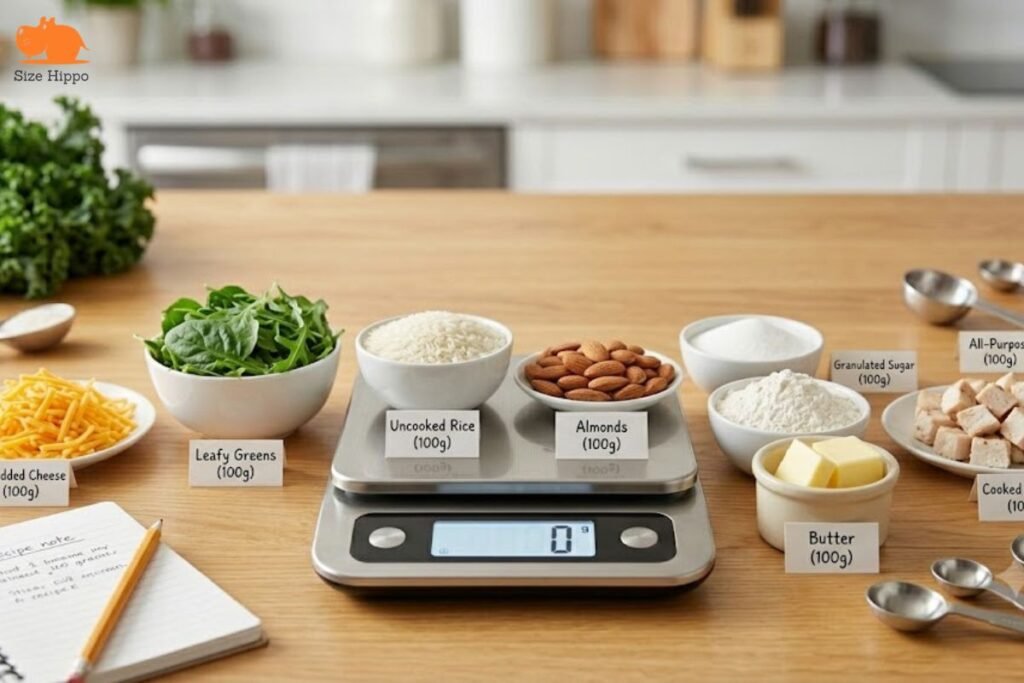
The table below works as a practical weight measurement guide and shows common American foods that weigh about 100 grams, although volume may vary by brand or preparation method.
| Food | Approximate Appearance at 100 Grams |
| Rice | Around half cup of uncooked rice |
| Chicken | Small cooked chicken breast portion |
| Flour | About ¾ cup all-purpose flour |
| Sugar | Roughly half cup granulated sugar |
| Butter | Slightly less than one butter stick |
| Cheese | Small block or generous shredded serving |
| Almonds | About ¾ cup of almonds |
Rice
About half cup of uncooked rice weighs close to 100 grams. Once cooked, the grains absorb water and increase in volume while maintaining the same overall weight.
Chicken
A modest cooked chicken breast serving often weighs around 100 grams. Many meal plans use this amount because it provides a convenient protein-rich serving size.
Flour
Approximately three-quarters of a cup of all-purpose flour equals about 100 grams. Measuring flour by weight instead of volume produces more reliable baking results.
Sugar
Granulated sugar reaches 100 grams at roughly a half cup. This comparison helps bakers achieve consistent sweetness and supports accurate baking measurements.
Butter
Most American butter stick packages contain about 113 grams. Cutting away a small section leaves a piece weighing close to 100 grams, making it one of the easiest kitchen references.
Cheese
Different cheese varieties have different densities. A compact block weighs 100 grams in less space than shredded cheese, although both still represent the same food portion.
Almonds
A generous handful or roughly three-quarters of a cup of almonds weighs about 100 grams. Nutrition experts often recommend weighing nuts because their calorie content rises quickly despite their small size.
An interesting comparison shows how volume changes between foods while weight stays constant. Medjool dates, peanuts, rolled oats, shredded parmesan, ground beef, tuna steak, white bread, baked potato, T-bone steak, Pop-Tarts, tangerine, clementine, and mandarin orange servings all occupy different amounts even when they weigh exactly 100 grams. That fact highlights why using a food weight chart offers greater accuracy than relying only on visual estimates.
100 Grams vs Other Common Weights
Comparing 100 grams with familiar values makes it easier to estimate food and everyday objects without a kitchen scale.
The table below serves as a practical weight comparison chart, helping you quickly compare a 100 gram portion with larger or smaller measurements and find fast conversions.
| Weight | Equivalent |
| 50 grams | Half of 100 grams |
| 100 grams | About 3.5 ounces |
| 200 grams | Double 100 grams |
| 250 grams | One-quarter kilogram |
| 500 grams | Half kilogram |
| 1 kilogram | Ten times 100 grams |
50 Grams
Fifty grams equals exactly half of 100 grams. A small handful of almonds or a reduced serving of ground beef often falls close to this weight, making it useful for light snacks and calorie-conscious meals.
200 Grams
Two hundred grams simply doubles the amount of 100 grams. A larger chicken breast or two medium apple servings can approach this value and provide an easy mental comparison for meal planning.
250 Grams
A weight of 250 grams equals one-quarter of a kilogram. Many packaged foods use this size because it offers a practical balance between single servings and family portions while supporting accurate portion control.
500 Grams
500 grams equals half a kilogram or roughly 17.6 ounces. Grocery stores commonly sell ground beef, butter, and other staples in packages near this weight because it suits many recipes.
1 Kilogram
One kilogram contains 1,000 grams, making it exactly ten times 100 grams. Visualizing ten equal 100g portions side by side creates an easy way to estimate larger quantities when shopping or cooking.
Conclusion
Learning how much is 100 grams does more than answer a simple conversion question. It helps you cook with confidence, understand nutrition labels, and improve meal planning. Familiar objects like a medium apple, two boiled eggs, or twenty U.S. nickels make it easier to visualize 100 grams in everyday life.
Once you get used to measuring 100 grams, estimating portions becomes much simpler. The conversions, comparisons, and examples in this guide make how much is 100 grams easy to understand while helping you compare foods that weigh 100 grams and build healthier eating habits.
FAQs
Is 100 grams equal to a cup?
The number of cups depends on the ingredient. 100 grams of flour is about 0.8 cup, while 100 grams of sugar is about 0.5 cup.
Is 100g the same as 4 oz?
Not exactly. 100 grams equals approximately 3.53 ounces, so it is slightly less than 4 ounces.
How Much does 100 grams Look Like?
It depends on the item, but 100 grams is roughly the weight of a medium-sized smartphone, a small bar of soap, or about 20 teaspoons of water.
What is 100 grams Equal to in Ounces?
100 grams is equal to about 3.53 ounces. You can round it to 3.5 ounces for everyday use.
Is 100g the Same as 1/2 cup?
Not always. 100 grams is only about 1/2 cup for certain ingredients, such as granulated sugar, while other foods have different cup measurements.