How Big Is 5mm? Size Comparison, Conversion & 10 Everyday Examples
Understanding how big is 5mm can be tricky because it is a very small unit of length in the metric system. This small measurement is often used in everyday objects like pencil tips, seeds, and tiny hardware parts. In terms of millimeter size, 5mm equals half a centimeter, which makes it easier to understand through simple objects like grains or small beads.
A 5mm comparison helps show its real-world scale, while visual estimation makes it easier to recognize the length without a ruler in daily life. This tiny length is commonly seen in precision work, crafts, and scientific measurements and is used worldwide every single day.
What Does 5mm Look Like?
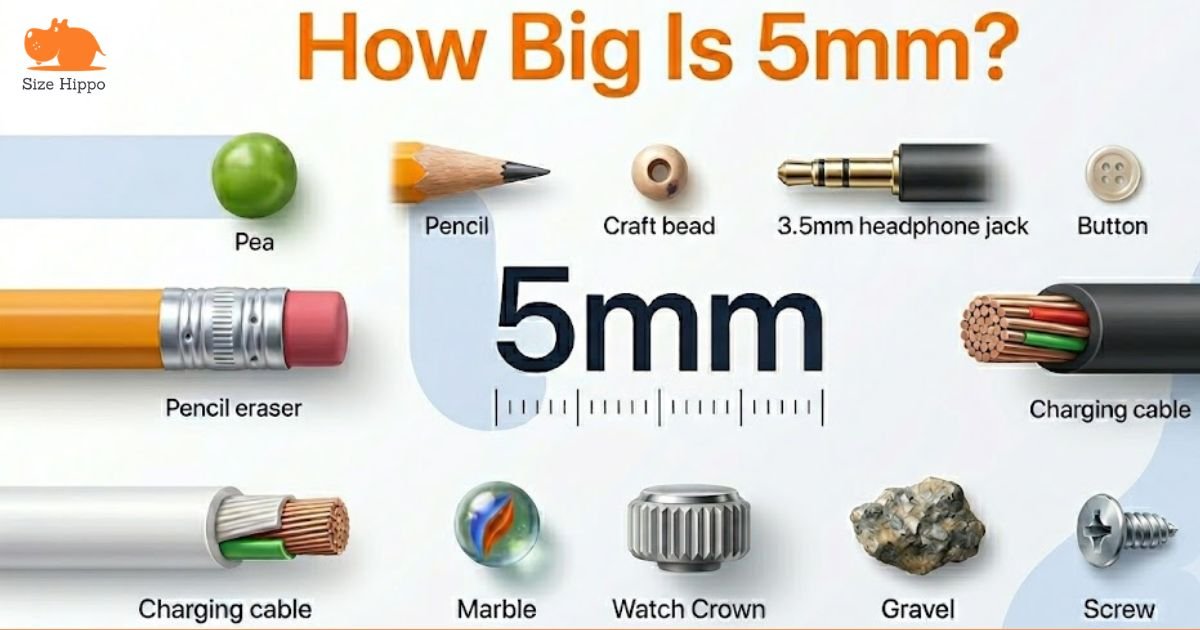
The easiest way to understand how long is 5mm is through familiar objects. Imagine a small green pea, a craft bead, or the edge of a pencil eraser. These items are often close to 5 millimeters in size. This creates a useful 5mm visual comparison that feels more natural than reading numbers.
Many shoppers ask what does 5mm look like before buying rings, beads, screws, or electronics online. A quick, everyday size comparison helps because your brain recognizes objects faster than it can process measurements. Think of 5mm as tiny, yet clearly visible and easy to hold between your fingers.
5mm to Inches Conversion
One of the most common questions is How Big Is 5mm in inches? The exact answer is 0.19685 inches, which rounds to 0.197 inches. This millimeter to inch conversion is useful when comparing metric and imperial measurements in the United States. To better understand inch-based sizing, you can also explore how long is 1 Inch for another practical size comparison.
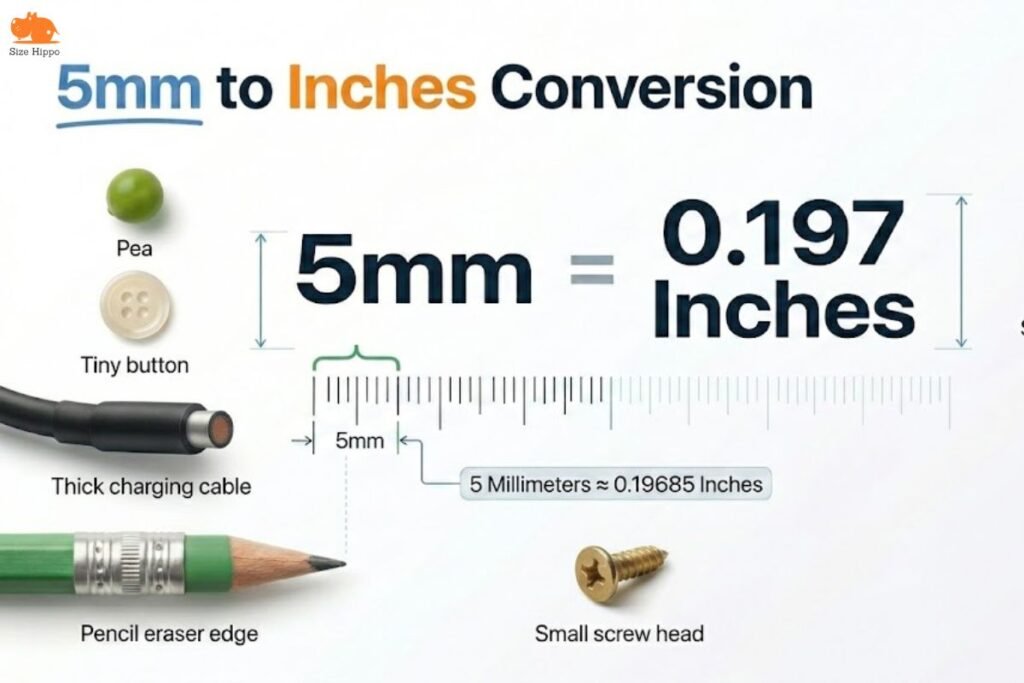
For a quick reference, use the table below. It gives a simple measurement conversion chart for the most common units people use every day.
5mm Conversion Table
| Unit | Value |
| Millimeters | 5 mm |
| Centimeters | 0.5 cm |
| Meters | 0.005 m |
| Inches | 0.197 in |
| Feet | 0.016 ft |
5mm in Other Measurement Units
Besides 5mm in inches, people often search for 5mm in cm and other unit conversions. Since 10 millimeters equal 1 centimeter, 5 millimeters equals 0.5 cm. This is exactly half of one centimeter.
In larger units, 5mm dimensions equal 0.005 meters or about 0.016 feet. These numbers may seem tiny, yet they matter in jewelry, electronics, and precision measurements. Even a difference of 1mm can change how a ring fits or how a part connects.
How to Measure 5mm Without a Ruler
You can estimate 5mm surprisingly well using everyday objects. This works when you don’t have a ruler nearby and need a quick size reference for 5mm. The goal is not perfect accuracy; it’s creating a reliable mental picture.
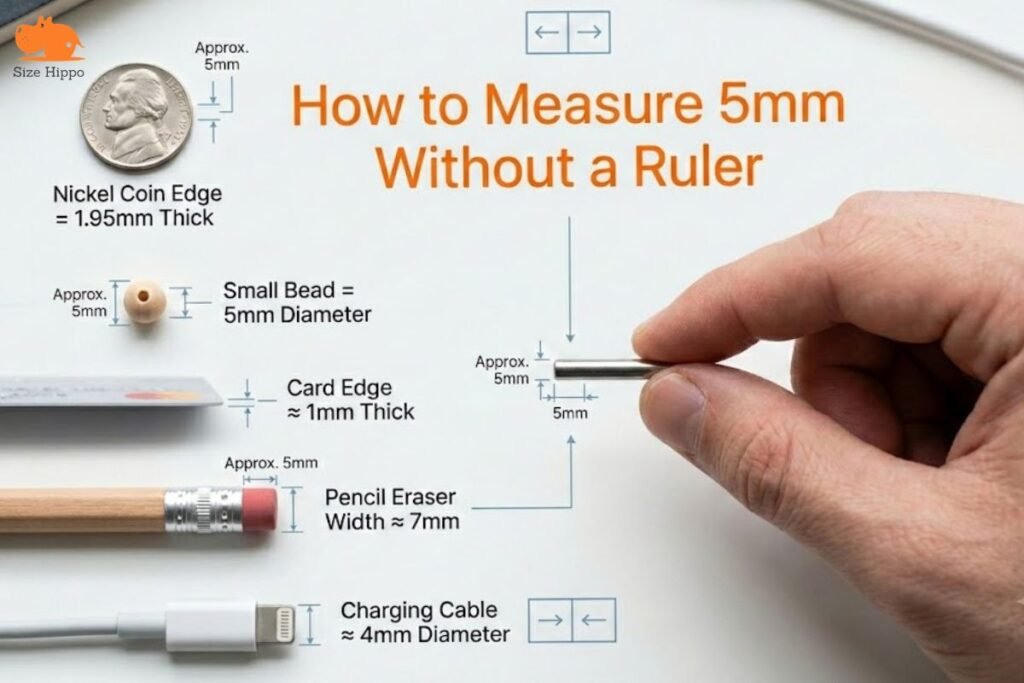
Simple visual tricks work because your brain compares unknown sizes with familiar shapes. Many people use fingers, coins, cards, or household items to judge how small is 5mm. These methods are practical for shopping, crafts, and quick measurements.
Using Your Fingers
A small section across the corner of your fingernail is often close to 5mm in width. This makes your hand a handy object size reference when no measuring tools are available.
Using Coins
U.S. coins are larger than 5mm, but comparing a tiny section of a coin’s diameter helps you visualize 5mm wide objects. This creates a quick ruler measurement guide in your mind.
Using Credit Cards
Stack several credit cards together, and the thickness becomes close to 5mm thickness. This is one of the easiest ways to estimate 5mm at home.
Using Common Household Item
Look for common objects that are 5mm, such as a pea, a bead, or a small button. These real life examples of 5mm make the measurement much easier to remember.
Quick Comparison Table of Common 5mm Objects
The table below provides a fast 5mm comparison using familiar items. These examples help you visualize the 5mm object size without any measuring tools.
| Object | Approximate Size |
| Green pea diameter | About 5mm |
| Pencil eraser width | About 5mm |
| Small craft bead | About 5mm |
| Headphone jack opening | About 5mm |
| Tiny button size | About 5mm |
| Charging cable thickness | About 5mm |
| Small marble diameter | About 5mm |
| Watch crown width | About 5mm |
| Gravel stone size | About 5mm |
10 Common Things That Are 5mm Big
- Pencil Eraser Width
- Small Craft Bead
- Headphone Jack Opening
- Tiny Button Width
- Thick Charging Cable Diameter
- Small Marble Size
- Watch Crown Width
- Coarse Gravel Piece
- Small Screw Head Diameter
Green Pea Diameter
Picture a pea sitting on your dinner plate. The green pea diameter often falls close to 5mm, making it one of the best examples of How Big Is 5mm. Its round shape creates an instant visual reference that most people recognize without effort.
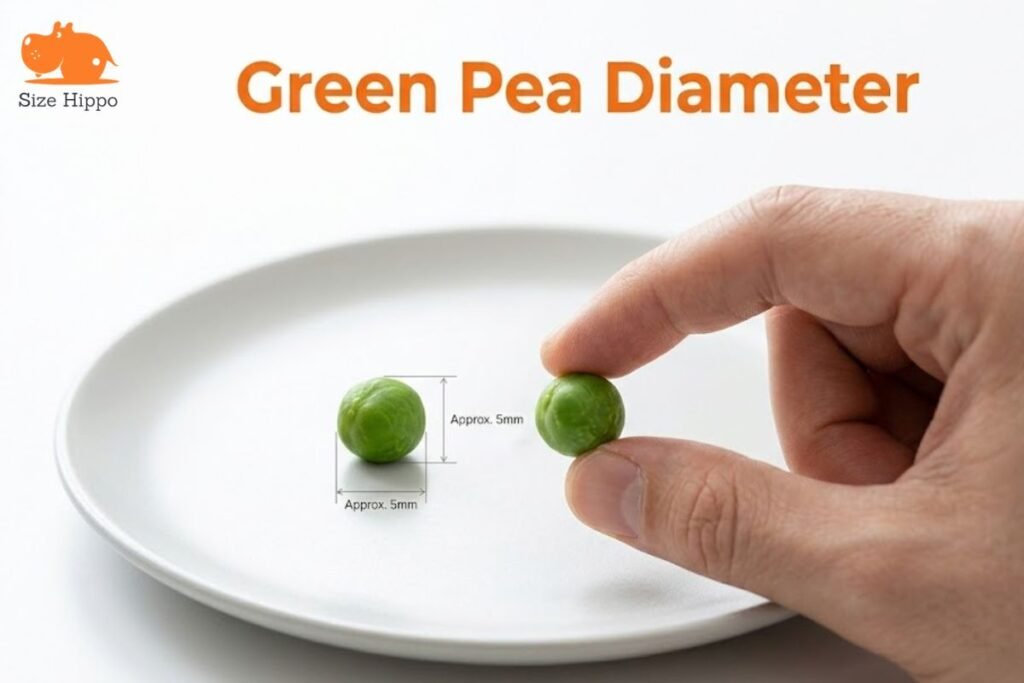
Many people use peas as a quick visual size guide because they are easy to find. A pea may seem tiny, yet it remains large enough to hold comfortably between your fingertips. This simple comparison helps you understand the true 5mm measurement in everyday life.
Pencil Eraser Width
Look closely at the edge of a standard pencil eraser. The pencil eraser width is often near 5mm, giving you another practical way to understand How Big Is 5mm. Students and office workers see this size almost every day.
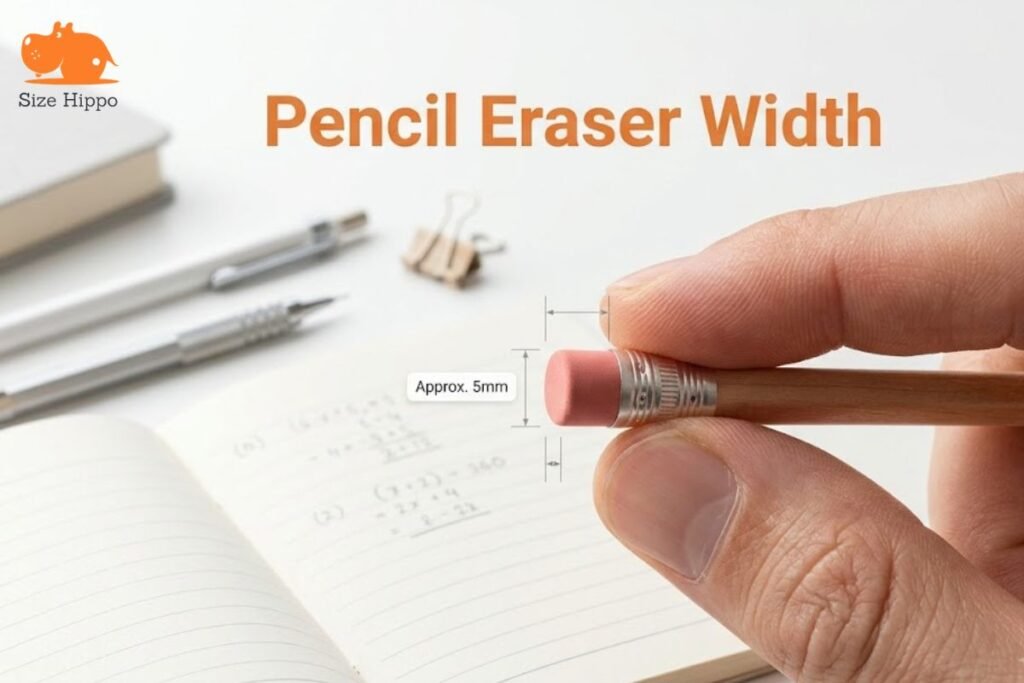
This comparison works well because pencils are familiar objects. When you imagine the narrow edge of an eraser, you gain a reliable object size reference. Many art supplies and school materials use similar small hardware measurements and dimensions.
Small Craft Bead
Jewelry makers frequently use a small craft bead that measures about 5mm across. These beads strike a balance between visibility and elegance, making them popular for bracelets and necklaces.
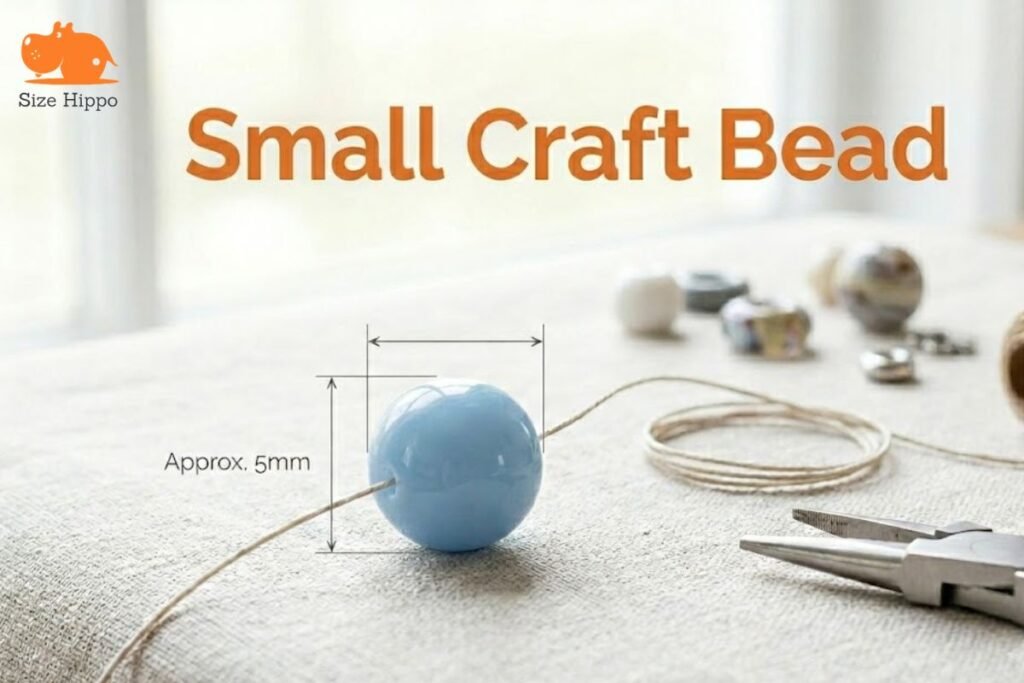
A bead offers a perfect 5mm example because you can easily hold it and inspect it. In crafting projects, even tiny changes in jewelry bead size can alter the final appearance. That is why accurate craft supplies sizing matters.
Headphone Jack Opening
Many wired devices feature a headphone jack opening that appears close to 5mm wide. This tiny opening demonstrates how small dimensions play a major role in modern electronics.
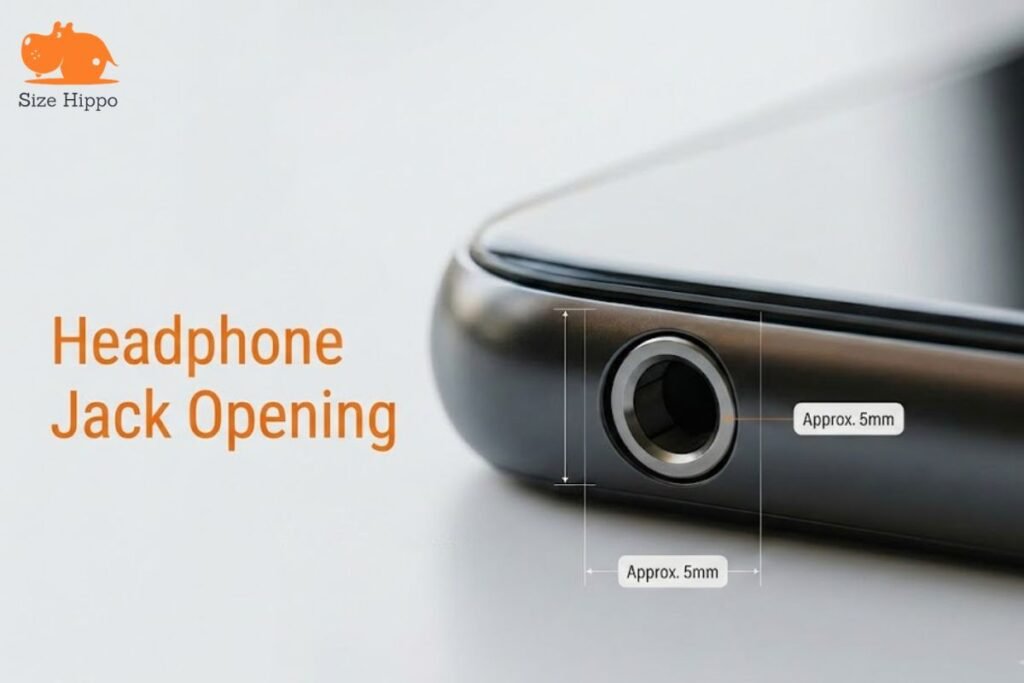
Technology relies heavily on precision measurements. A slight variation can affect performance and compatibility. Looking at a headphone port gives you a realistic 5mm visual comparison that relates directly to products people use every day.
Tiny Button Width
Some decorative sewing buttons match a tiny button size of roughly 5mm. These miniature buttons appear on doll clothing, craft projects, and detailed fashion accessories.
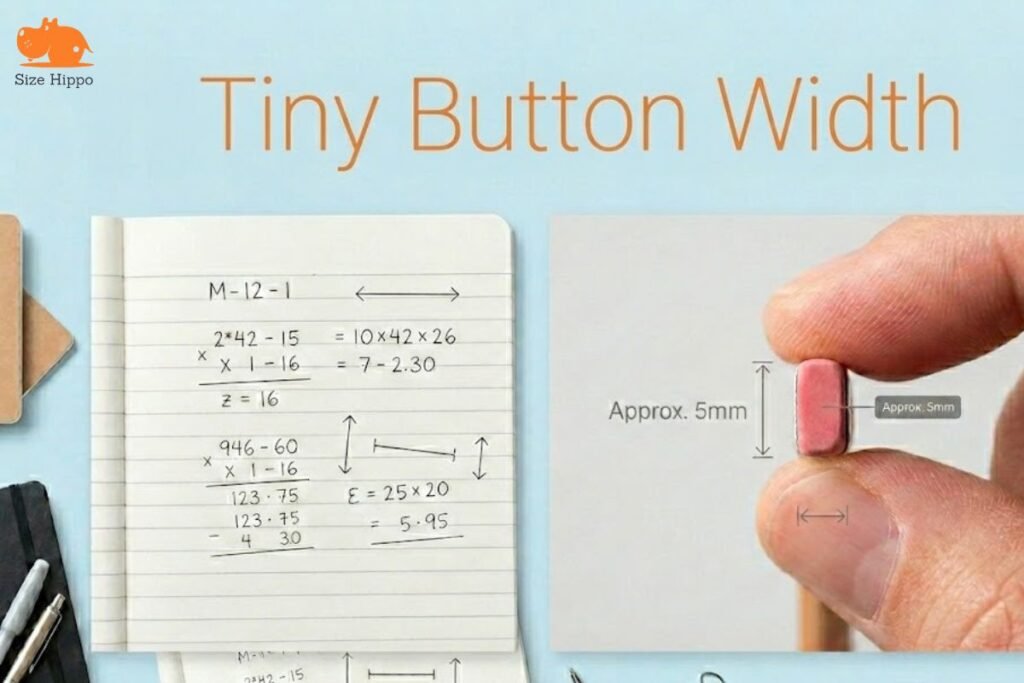
Despite their small appearance, these buttons remain easy to spot. They provide a useful miniature object size example because they combine visibility with compact dimensions. This makes them ideal for understanding how small is 5mm.
Thick Charging Cable Diameter
A durable charging cord may have a charging cable thickness close to 5mm. This measurement helps protect internal wires while maintaining flexibility.
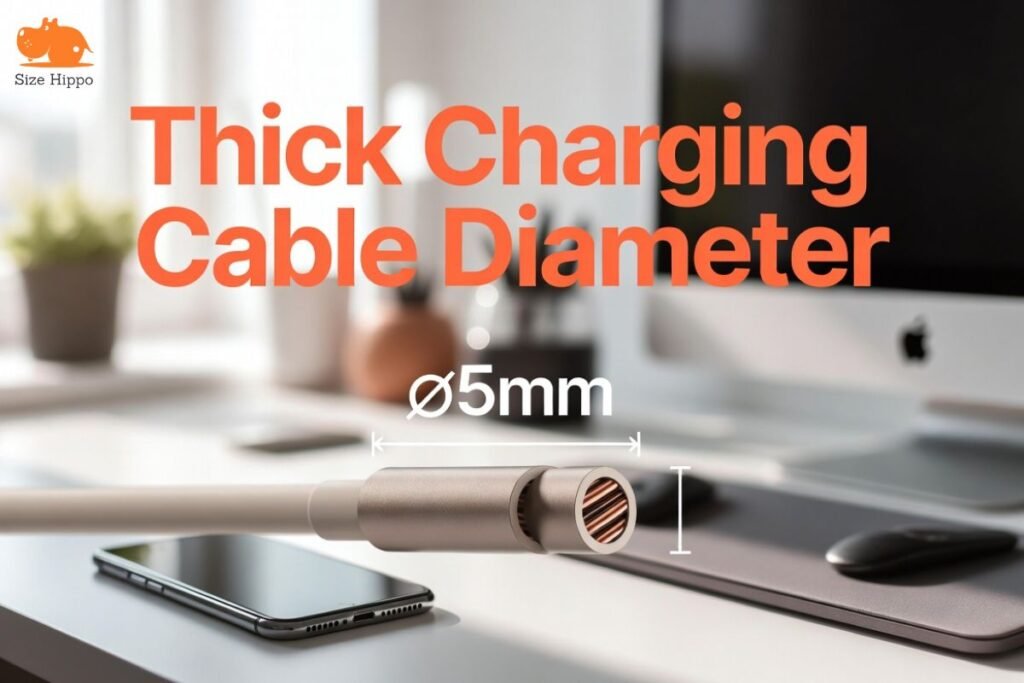
When comparing electronic accessories, the cable diameter often affects durability. A thicker cable generally lasts longer. Looking at a charging cord offers one of the most practical real life examples of 5mm available in most homes.
Small Marble Size
A tiny toy marble may feature a small marble diameter close to 5mm. These miniature spheres are smaller than traditional game marbles yet still easy to see and handle.
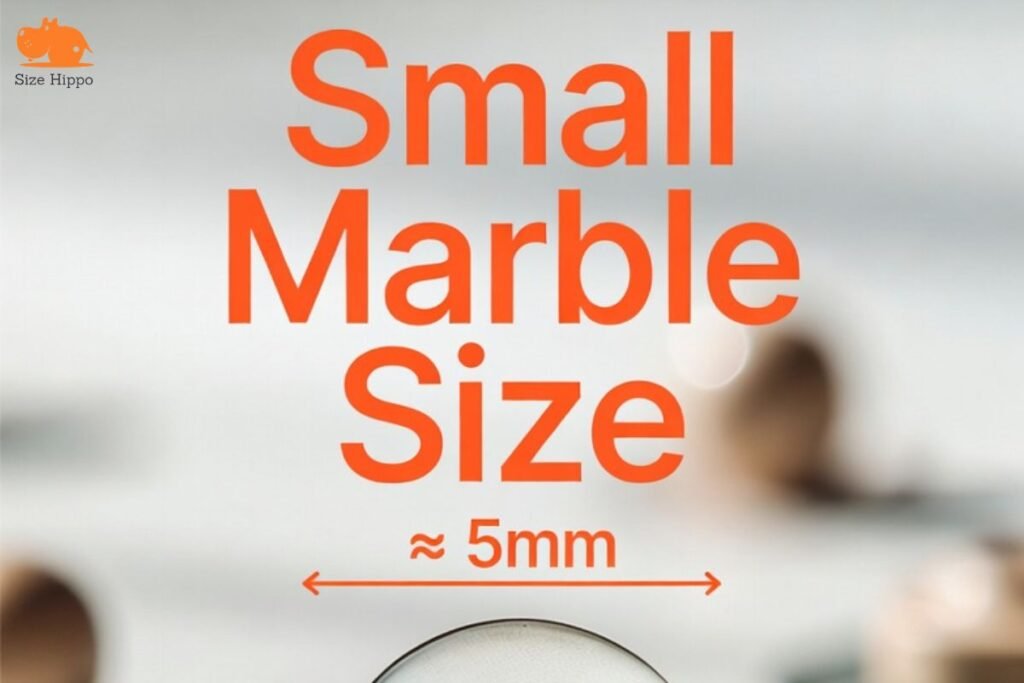
The smooth surface and round shape create a clear visual benchmark. As a result, marbles provide an excellent everyday size comparison when trying to picture 5 millimeters without measuring tools.
Watch Crown Width
The adjustment knob on many watches is known as the crown. A typical watch crown width can measure around 5mm, making it a useful example for understanding small dimensions.
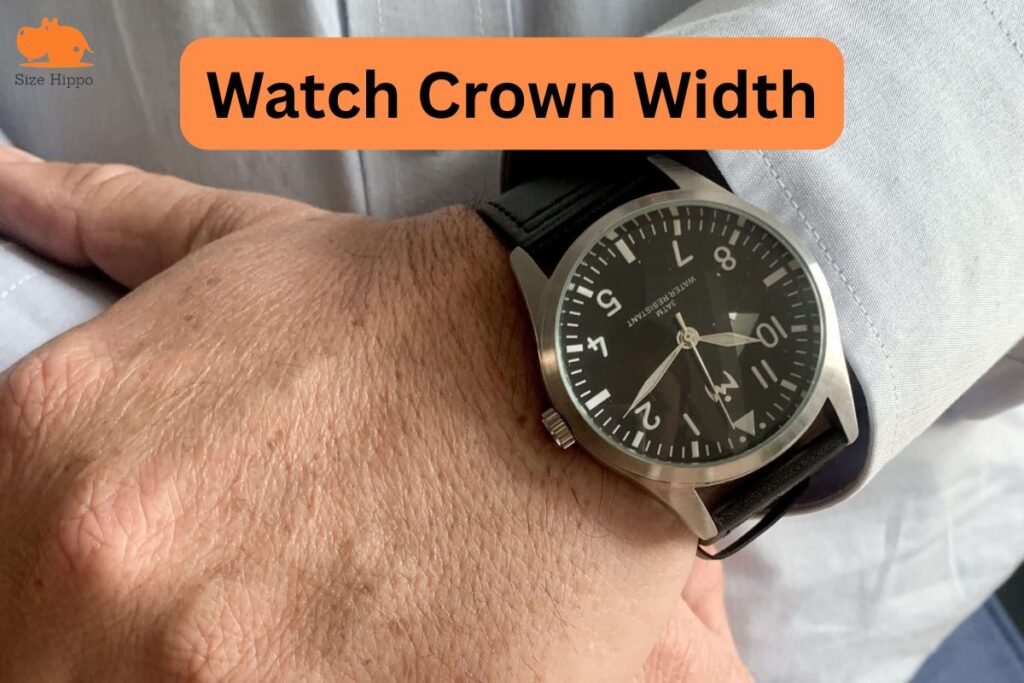
Watchmakers depend on extremely accurate sizing. Tiny differences affect comfort and usability. This demonstrates why precision measurements remain important even when dealing with objects that seem insignificant.
Coarse Gravel Piece
A small landscaping stone often matches a gravel stone size of roughly 5mm. These stones appear in gardens, walkways, and decorative outdoor projects.
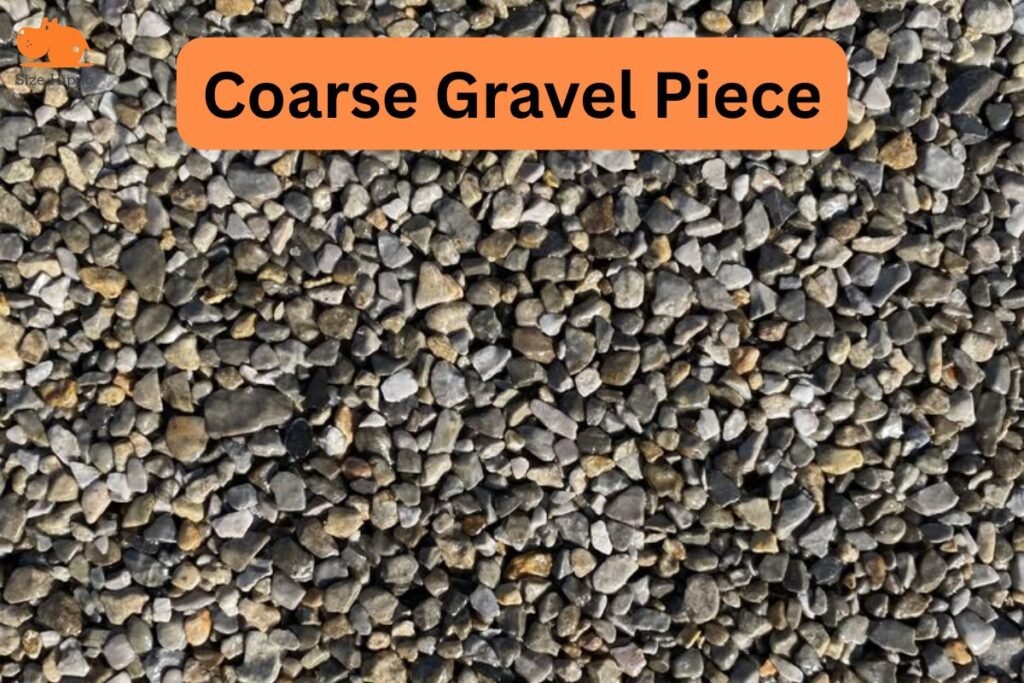
Gravel offers a natural comparison that many people encounter regularly. It also highlights how DIY project measurements influence drainage, appearance, and texture in landscaping work.
Small Screw Head Diameter
Many household screws feature heads measuring close to 5mm across. This example shows how common drill bit size selections and fastening systems rely on small dimensions.
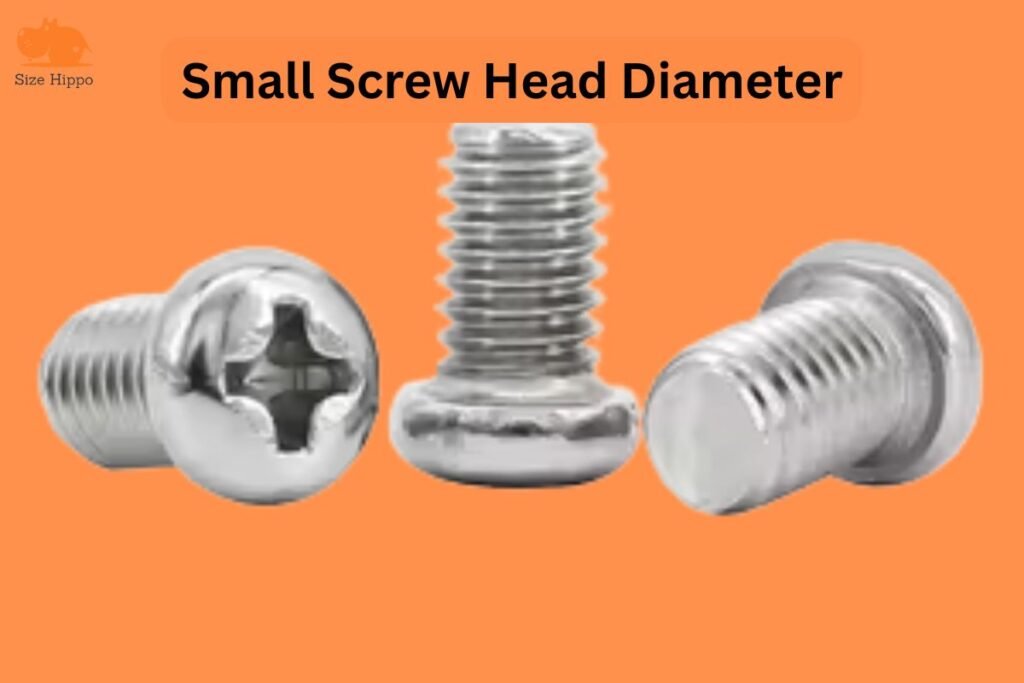
Home repairs often require matching screws and tools correctly. Understanding 5mm object size helps prevent mistakes during installation and improves the accuracy of simple repair projects.
How Big Is 5mm on a Ruler and Tape Measure?
Finding 5mm on a ruler is straightforward once you understand metric markings. Each small line represents one millimeter. Count five small marks from zero and you have reached the 5mm point. Since 10 millimeters equal one centimeter, 5mm sits exactly halfway between 0 and 1 centimeter.
A tape measure with metric markings works the same way. This ruler measurement guide helps you locate the measurement quickly and accurately. Learning to read metric scales improves your confidence when dealing with metric measurement systems and product specifications.
Is 5mm Thick or Thin?
The answer depends on what you are measuring. In jewelry, 5mm often feels moderately wide. A wedding band with a ring width measurement of 5mm appears noticeable without looking bulky. Many people consider this size comfortable for daily wear.
In construction or hardware, 5mm usually feels small. Screws, cables, and drill bits often use similar dimensions. Context matters because 5mm thickness may seem substantial in one industry yet tiny in another. Understanding the application helps determine if the measurement is thick or thin.
Common Uses of 5mm Measurements
Many industries use 5mm because it provides a practical balance between visibility and compactness. Jewelry designers frequently work with jewelry bead size standards around 5mm. Electronics manufacturers use similar measurements for connectors and accessories.
The same dimension appears in drill bit size charts, small hardware measurements, crafts, repairs, and hobby projects. Accurate sizing supports better product performance. It also improves purchasing decisions because buyers can compare dimensions using a trusted measurement conversion chart and familiar references.
Final Thoughts
Understanding how big is 5mm becomes much easier when you connect the measurement to real-world objects. A pea, bead, marble, cable, or watch crown creates a stronger mental image than numbers alone. These comparisons transform an abstract measurement into something practical and memorable.
If you encounter 5mm dimensions, you can visualize them instantly using the examples from this guide. From jewelry and electronics to home repairs and crafts, knowing the true size of 5mm helps you make smarter decisions and understand measurements with greater confidence.
FAQs
FAQs
What does 5 mm Look Like?
5 mm looks very small but is still noticeable to the eye. It is about the size of a small pea, a tiny bead, or a thick charging cable.
Is 5 mm the Size of a Pea?
Many green peas are close to 5 mm in diameter, making them a simple everyday comparison for understanding this measurement.
What Object is the Size of 5 mm?
Common 5 mm examples include a small craft bead, a watch crown, a tiny button, or the width of some pencil erasers.
What is the Actual Size of 5 mm?
5 mm equals 0.5 centimeters or 0.197 inches, which is about half the width of a centimeter.
What is 5 mm Comparable to?
5 mm is comparable to a green pea, a small marble, a coarse gravel piece, or the thickness of some charging cables.