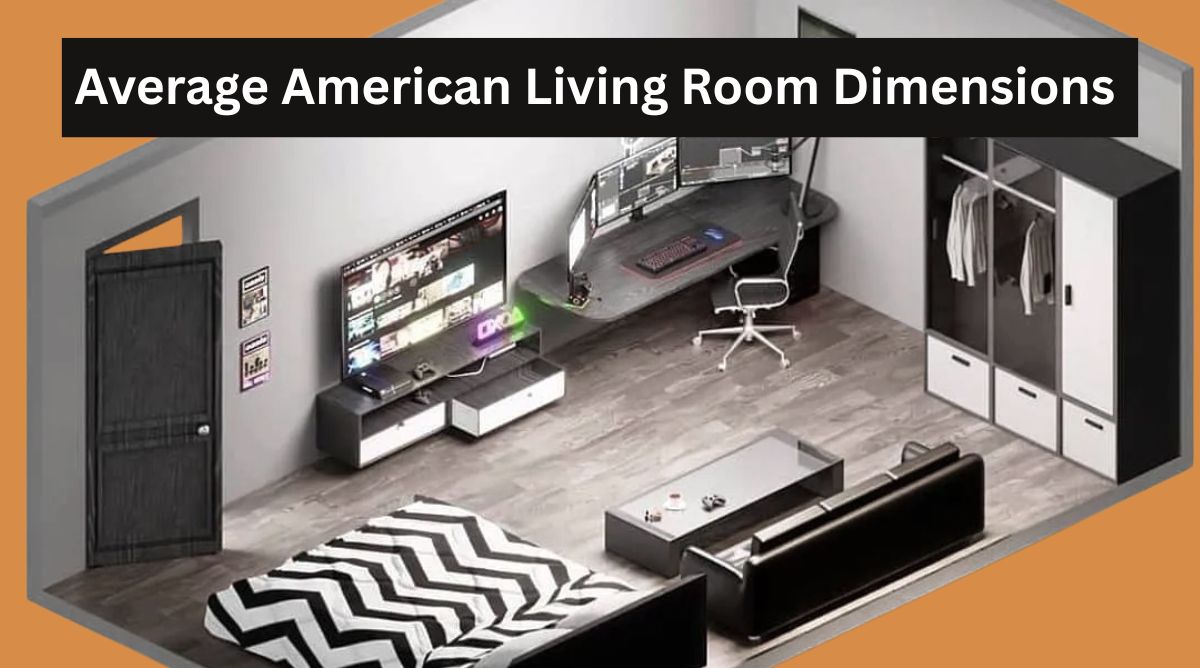
Average American Living Room Dimensions | Discover The Surprising Facts
The average American living room has evolved significantly over the decades. Understanding average American living room dimensions is crucial for anyone looking to buy or renovate a home.
We will explore typical sizes and layouts, helping you maximize your space and create a comfortable environment. Whether you’re a homeowner, interior designer, or just curious, this guide will equip you with valuable insights.
What is a Living Area?
The living area is the heart of the home, combining comfort and usefulness. In an average 200-square-foot living room, families gather, friends socialize, and people relax after a long day. It’s not just a room; it’s where memories are made, filled with laughter and conversation.
The idea of a living area is changing with society and lifestyle shifts. Open-concept designs are gaining popularity. These designs combine the living room, dining area, and kitchen to encourage connection.
Living areas are no longer just for relaxing; they also serve multiple purposes, such as remote work and game nights. Today’s living areas aim to be functional and stylish, offering a flexible experience that suits modern life.
Why Do You Need a Living Room?
The average living room size in modern homes can vary a lot, but this space is important for daily life. A living room is not just for entertaining; it’s where families connect after a long day. You can relax, share stories, and engage in activities together, creating a sense of belonging that is unique to this space.
The living room is important for gatherings and memories. A bright, open space makes people feel comfortable and encourages socializing, while a dark room can feel unwelcoming. By improving this area, you create a friendly environment that fosters relationships and reflects who you are.
Types of Living Room
There are two main types of living rooms:
- Indoor
- Outdoor
Indoor Living Room
Indoor living rooms are multifunctional spaces that reflect homeowners’ personalities and lifestyles. They combine relaxation and social interaction, often featuring comfortable furniture and decor that create a welcoming atmosphere.
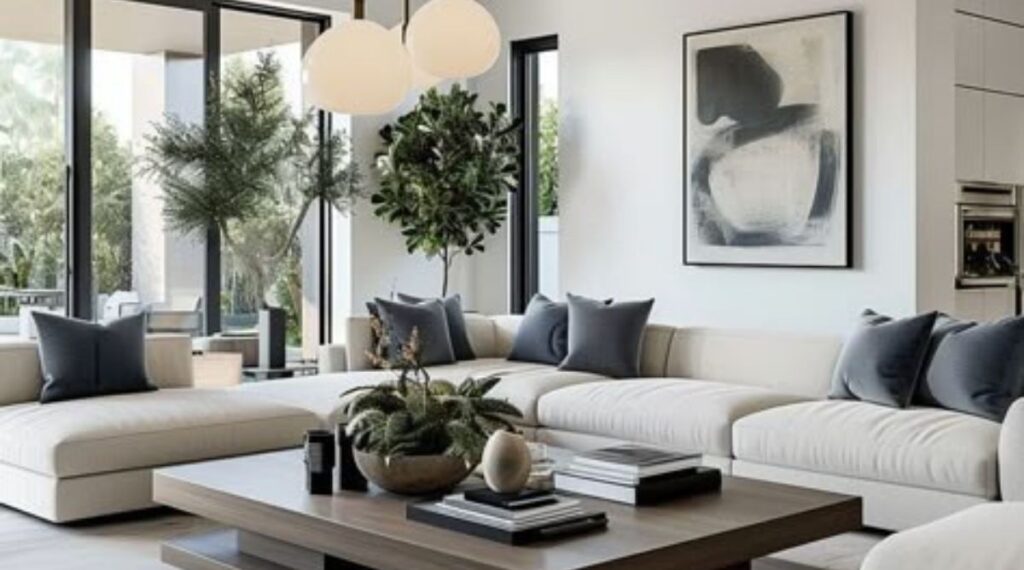
These rooms foster connections among family and friends, enhancing intimacy through cozy elements like soft lighting. As remote work increases, living rooms are integrating technology to blend leisure with functionality.
Trends toward sustainability and minimalism are reshaping design, encouraging eco-friendly choices such as upcycled furniture. This mindful approach not only enhances aesthetics but also promotes a meaningful, comfortable lifestyle in modern living spaces.
Outdoor Living Room
Outdoor living rooms extend homes into nature, offering comfort and style amid greenery. These spaces can be customized with rugs, fire pits, and lighting for both lively events and quiet moments.
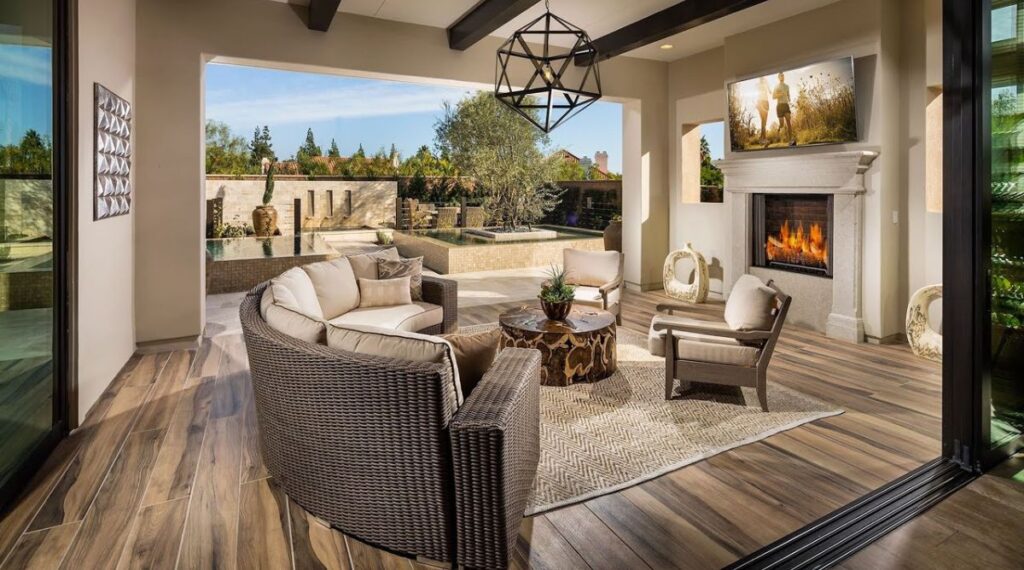
Technology enhances the experience, featuring weather-resistant speakers and smart lighting for convenience. Thoughtful plant placement adds color and privacy, creating a tranquil escape from daily life. Outdoor living rooms serve as creative canvases where relaxation and self-expression flourish in nature’s beauty.
Average American Living Room Size
The average American living room dimensions have evolved to about 16 by 20 feet, accommodating open-concept designs. This shift reflects changing lifestyles, promoting social interaction among the kitchen, dining, and living areas.
Functionality is now key, with multipurpose furniture enhancing utility without sacrificing style. Transformable sofas and storage coffee tables exemplify this adaptability, making living rooms versatile spaces for relaxation, work, and social gatherings. Modern living areas embody a dynamic approach to contemporary family life.
Average Living Room Square Footage
The average living room size is changing, prompting innovative uses of space regardless of size. In a compact 70 sq. ft. room, minimalism shines through with small sofas and thoughtfully chosen furniture, creating an intimate setting.
A slightly larger 130 sq. ft. space allows for a cozy sofa or sectional, fostering social interactions and personal touches.
A 216 sq. ft. room supports gatherings of 6-10 people with adaptable seating, emphasizing style and comfort.
In a spacious 300+ sq. ft. layout, the living room becomes a multifunctional area that encourages creativity and connection, showcasing how size can enhance lifestyle.
Common Furniture in the Living Room
The living room is often the heart of a home, and its furniture plays a crucial role in creating both functionality and style. When considering how big is a living room, it’s essential to identify furniture that complements its dimensions.
Furniture for Smaller Spaces
For smaller spaces, sleek, multi-functional pieces like a storage ottoman or a compact coffee table can make a significant difference, transforming a cozy area into a comfortable gathering spot without feeling cluttered.
Furniture for Larger Living Rooms
On the other hand, larger living rooms can embrace statement items like grand sectional sofas or oversized accent chairs that invite conversation and relaxation. Incorporating elements like an elegant side table or distinct lighting fixtures can add layers to the design while drawing the eye and enhancing aesthetic appeal.
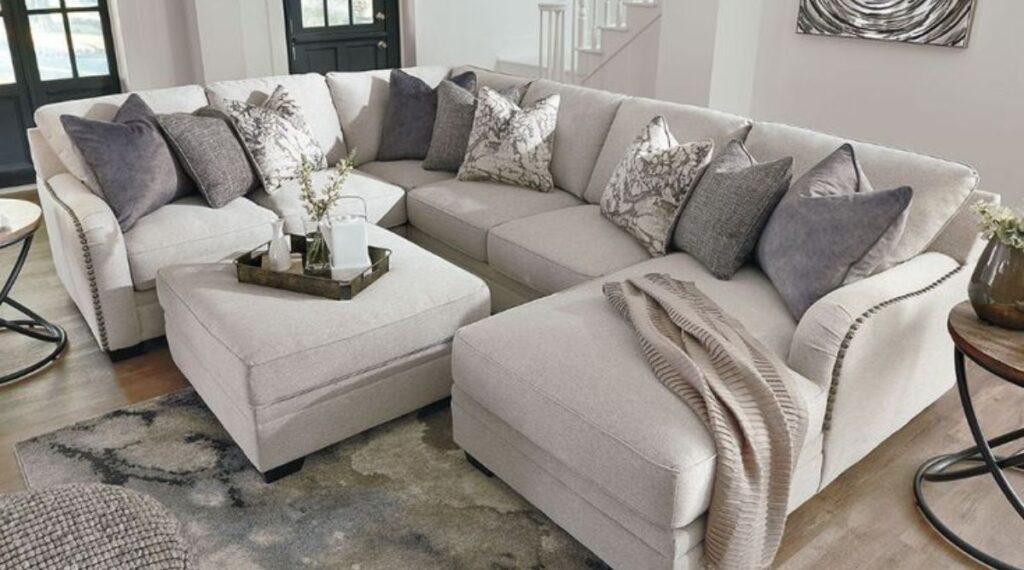
The key to a harmonious living room lies in balancing comfort with style, ensuring each piece contributes to the overall experience, no matter the room size.
Living Room vs Family Room
Homeowners often debate the difference between a living room and a family room, especially regarding their purpose and design. The average American living room is around 200 square feet, mainly used for entertaining guests or hosting formal events.
A family room is usually larger and cozier, serving as a casual space for relaxation and family time. This difference leads to different design choices: living rooms often have elegant furniture, while family rooms focus on comfort with big sofas and fun decorations.
When considering how big is the average living room, it’s essential to also appreciate the evolving role of these spaces in modern homes. With the rise of open-concept floor plans, the lines between living and family rooms have blurred, offering flexibility and a shared sense of unity in the home.
What Size Is a Standard Living Room?
When considering the average American living room dimensions, most sources cite a size ranging from 200 to 400 square feet. This variation largely depends on the overall square footage of the home and regional design preferences.
The trend is shifting; many homeowners are opting for more open-concept designs that blend living areas with kitchens and dining spaces. This shift not only maximizes usability but also encourages social interaction, making the living room the heart of the home.
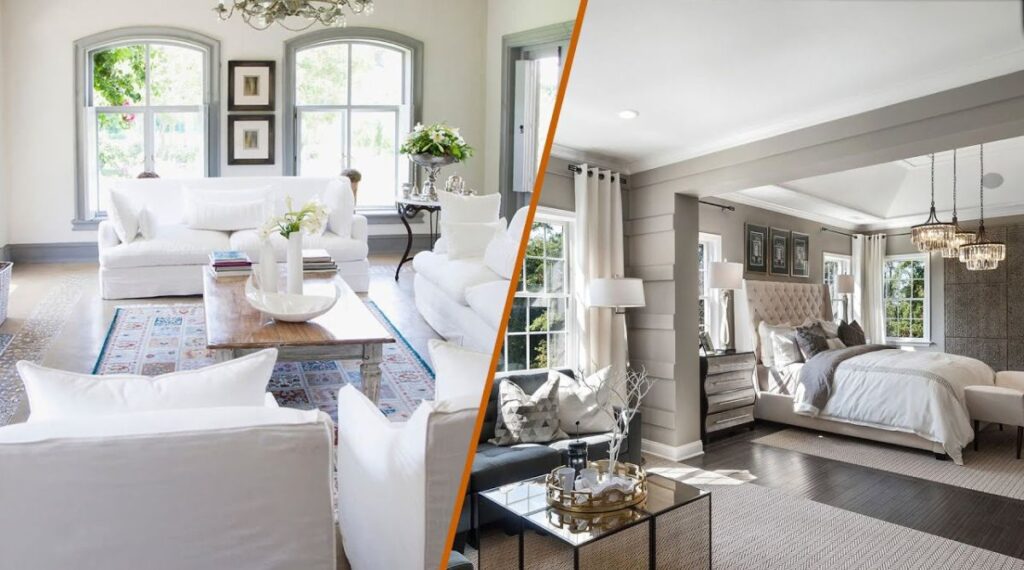
Another aspect to consider is how furniture arrangement impacts the perceived size of a living room. Innovative layouts and multifunctional furniture can make smaller spaces feel larger and more inviting.
Utilizing sectional sofas or incorporating built-in shelves can help optimize both space and functionality. The ideal living room size goes beyond mere dimensions; it’s about creating a harmonious environment that reflects the lifestyle and needs of the household.
Also Read: How Long is 20 Feet? -(Visual Guide)
Conclusion
The average American living room dimensions serve as valuable guidelines for anyone looking to optimize their space. With an average size that balances efficiency and comfort, these dimensions can help you allocate space thoughtfully for lounging, entertaining, and everyday activities.
Being aware of these measurements allows for better planning in terms of furniture choices and layout. The evolving nature of living room design challenges homeowners to think creatively about their spaces.
FAQs
What is the Size of a Living Room in the US?
U.S. living rooms vary from 150 to 400 square feet, between 200 and 300. This size accommodates seating, entertainment, and decor. The dimensions of 2 x 18 feet are narrow, while 20 x 25 feet are larger than average.
Is a 20×20 Living Room Small?
A 20×20 living room offers enough space for cozy furniture arrangements, perfect for relaxing and entertaining. Different seating choices create a welcoming atmosphere and keep the room easy to move around in.
Is a 200 sq ft Living Room Small?
A 200 sq ft living room is small, especially compared to standard spaces over 300 sq ft. Good design can make it feel bigger.