How Long Is 1 Inch? 17+ Things That Are Exactly 1 Inch Long
How long is 1 inch? This is one of the most common size questions people ask when shopping online, doing a DIY project, or checking product dimensions. 1 inch equals exactly 2.54 centimeters, yet many people still find it hard to picture without holding a ruler. The good news is that dozens of everyday objects are close enough to 1 inch that you can use them as instant visual references.
Below you will find a full size comparison list, a 1-inch measurement conversion table, and simple finger-based tricks for measuring 1 inch without any tools.
Quick Answer
1 inch equals 2.54 centimeters, 25.4 millimeters, or 1/12 of a foot. It is about the width of a US quarter, a standard bottle cap, or an adult thumb. If you do not have a ruler nearby, these everyday objects give you a fast, reliable way to estimate 1 inch.
1 Inch Conversion Table
| Unit | Value |
|---|---|
| Inches | 1 in |
| Centimeters | 2.54 cm |
| Millimeters | 25.4 mm |
| Feet | 0.0833 ft (1/12 ft) |
| Yards | 0.0278 yd (1/36 yd) |
| Meters | 0.0254 m |
This conversion is exact. The international inch was fixed at precisely 2.54 centimeters by an international standards agreement, so there is no rounding involved in this figure (NIST).
What Do You Mean By 1 Inch Long?
One inch, equal to 1/12 of a foot or 2.54 centimeters, holds significant importance beyond its measurement. It affects various areas, from carpentry precision to cooking measurements, and it remains one of the most used units in the US customary and imperial systems.

In design and manufacturing, 1 inch is a crucial benchmark. It influences everything from smartphone screens to fashion accessories, where every millimeter matters. For a metric comparison at a similarly small scale, see how long is a centimeter.
How Long is 1 Inch Visually?
Understanding how big is 1 inch visually helps with clear communication in design and construction. Comparisons such as a standard paperclip or bottle cap give you a tangible reference for scale. This matters internationally too, where converting inches to centimeters is a common practice for anyone working across measurement systems.

Despite its small size, an inch carries real weight in precision driven fields such as fashion, engineering, and crafting. Professionals often rely on these visual cues for quick estimation before reaching for a tape measure. If you need a slightly larger reference point, things that are 2 inches long is a useful next comparison.
How to Measure 1 Inch Without a Ruler
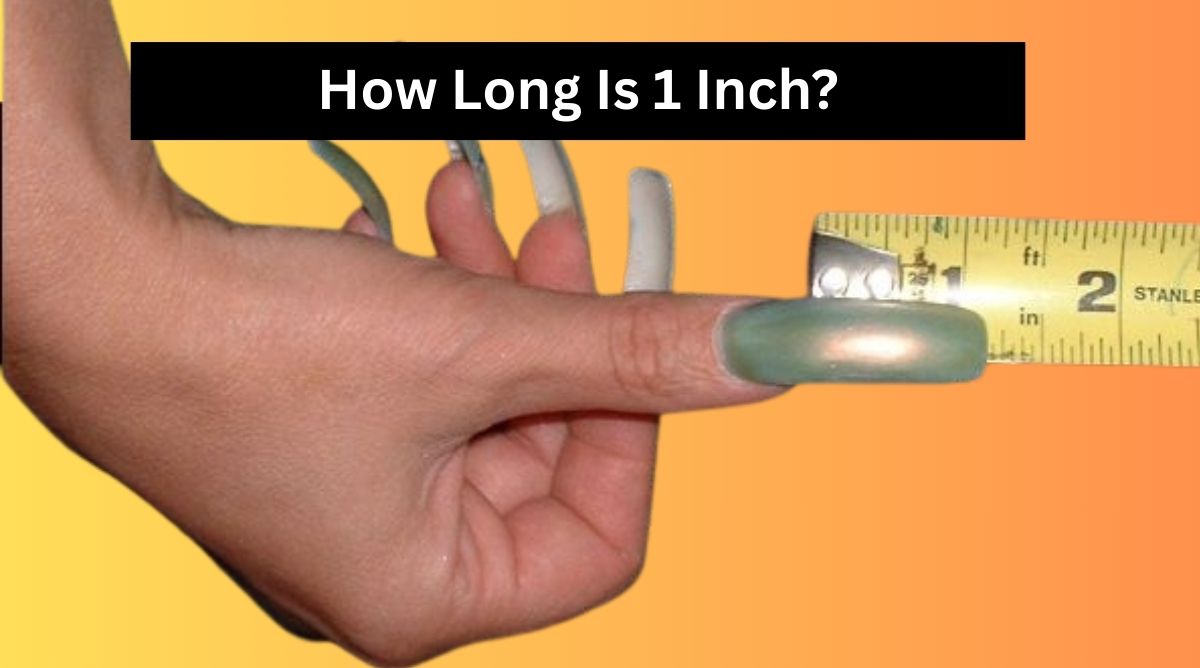
Measuring 1 inch without a ruler is simple once you know which everyday items to use. One of the most reliable methods is your own finger width. On average, an adult thumb is close to 1 inch wide at the base of the nail, and a pinky finger is often close to this size as well.

The imperial system, made up of inches, feet, and yards, is the standard system used in the US for home improvement and construction tasks. Inches give the precision needed for jobs like fitting picture frames or measuring doorways.
The relationship between these units, 12 inches in a foot and 36 inches in a yard, creates a simple hierarchy for visualizing larger spaces. For a foot sized reference point, see things that are 1 foot long.
How Long Is 1 Inch: A List of Random Things That Are 1 Inch Long
The comparison table below lists every object covered in this guide, with its approximate size and category, so you can scan for the closest match to whatever you are measuring.
| Object | Approximate Size | Category |
|---|---|---|
| Bottle cap | 1 in diameter | Household |
| Paperclip | 1 to 2 in long | Office |
| Fingernail to first knuckle | About 1 in | Body reference |
| USB flash drive | About 1 in wide | Tech |
| Guitar pick | About 1 in diameter | Music |
| Pencil eraser | About 1 in wide | Stationery |
| US quarter | 0.955 in diameter | Currency |
| Push pin | About 1 in long | Office |
| Standard die | 0.63 in (16 mm) per side | Gaming |
| Keyboard Ctrl key | About 1 in wide | Tech |
| Large shirt button | Close to 1 in | Apparel |
| Sugar cube | About 1 in per side | Kitchen |
| Hockey puck | 1 in thick, 3 in diameter | Sports |
| Furniture bolt | About 1 in tall | Hardware |
| Postage stamp | About 0.87 in wide | |
| Golf ball | 1.68 in diameter | Sports |
| Upholstery tack | About 1 in long | Hardware |
- Bottle Caps
- PaperClips
- A Fingernail Length
- USB Flash Drive Width
- Guitar Pick Diameter
- The Width of a Pencil Eraser
- The U.S. Quarter
- Push Pins
- A Standard Dice Cube
- The Keyboard Ctrl Key
- A Large Button on a Shirt
- A Sugar Cube
- Hockey Puck
- The Height of a Small Bolt
- Standard Postage Stamp
- Golf Ball Diameter
- Upholstery Tacks
Bottle Caps
Bottle caps, with their approximate 1 inch diameter, have become an unexpected ally for anyone who needs a quick measurement. Their ubiquity makes them easy to find, whether you are rummaging through your recycling bin or enjoying a drink.

This convenient sizing lets crafters and DIY enthusiasts use them as reliable reference points without searching for a ruler. When a project calls for precision, having a consistent measurement tool at hand speeds up the creative process.
From jewelry design to home decor, using things that are 1 inch in diameter helps artists focus on their vision rather than getting slowed down by precise measuring tools. For a slightly larger circular reference, compare this against a golf ball diameter further down this guide.
PaperClips
The paperclip, often overlooked, serves versatile roles beyond holding papers together. Measuring about 1 to 2 inches, it works as a quick size reference when formal tools are not available. Everyday items like small erasers or bottle caps can be measured against it.

Standardized manufacturing keeps paperclip sizing consistent across brands, which makes them reliable for repeatable measurements. Office workers and teachers frequently use them in classrooms for demonstrations or to gauge distances without extensive tools.
This simple office supply shows how a mundane object can double as a practical size reference for everyday challenges.
A Fingernail Length
The human index finger, from the tip to the first knuckle, typically measures close to 1 inch. This makes it a practical built in tool when no other reference is available.
Finger sizes vary from person to person, but they still provide a useful approximation. Knowing your own body measurements can improve accuracy on daily tasks and small projects.

For example, the length from a thumb tip to the first knuckle is often close to 1 inch, which is handy for quick size checks without tools. This body based reference is always accessible, making it convenient for on the spot estimates in almost any situation.
USB Flash Drive Width
Standard USB flash drives, measuring about 1 inch wide, are a good example of universal design in consumer technology. Their consistent width helps IT professionals take quick measurements and plan cable management or port spacing without extra tools.

Understanding how big is an inch matters in tech environments, since it affects planning for installations, port layouts, and desk setups. This familiar dimension helps create more organized and efficient workspaces.
Guitar Pick Diameter
Standard guitar picks, measuring about 1 inch across, act as a universal reference point for musicians across genres. This consistent sizing lets guitarists switch between picks without adjusting to different dimensions.
The compact size of a pick makes it a handy tool for quick measurements during setups or impromptu jam sessions.

Beyond their primary role in strumming and plucking, picks double as informal measurement guides for musicians and technicians. In fast-paced environments, a reliable 1 inch pick lets musicians focus on their craft instead of worrying about inconsistent tools.
The Width of a Pencil Eraser
The round, rubbery end of a pencil is often overlooked, yet it makes a handy estimation tool. At about 1 inch wide, this small part becomes useful when sketching in class or working through quick calculations.
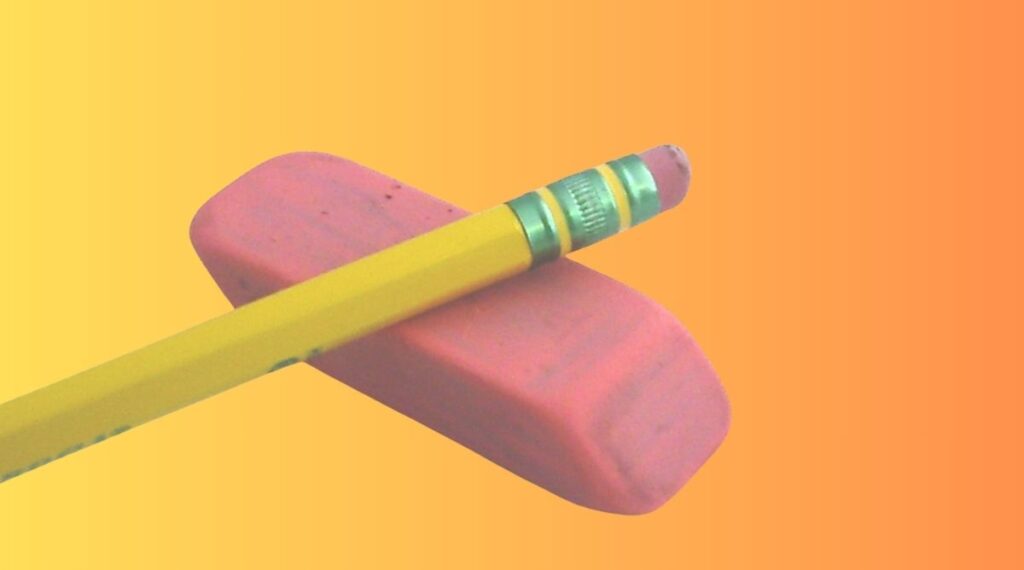
Its consistent size across brands means you can rely on it as a reference point without needing a ruler. A standalone rectangular eraser, which typically runs about 2 inches long, offers another easy benchmark. Half of it equals roughly 1 inch.
The U.S. Quarter
The US quarter has a diameter of 0.955 inches, just under a full inch, which makes it more than a piece of currency. It is a practical tool for measuring the width of a small object or estimating the length of a piece of string.
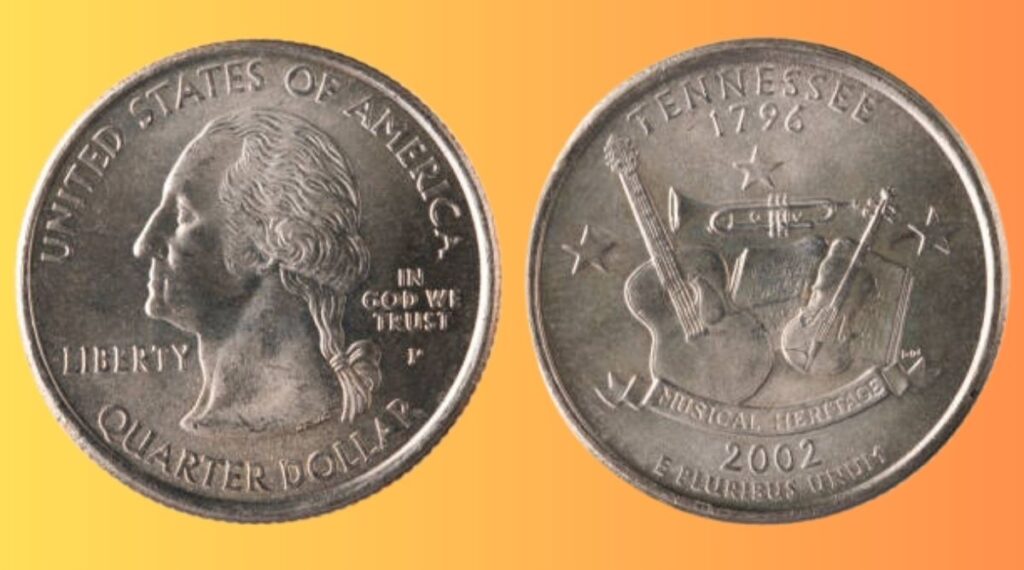
In everyday scenarios, people often overlook how something as common as a quarter can simplify measurement estimates, making it a versatile companion for both casual and creative tasks.
The quarter’s design includes a profile of George Washington, and its precise minting standards keep every coin the same size. This consistency matters for banking equipment, vending machines, and collectors alike.
Push Pins
Standard push pins, measuring close to 1 inch in length, are far more than simple office supplies. They are handy measurement references for everyday tasks. Their uniform size allows for easy scaling and spacing when organizing documents or building visual displays.
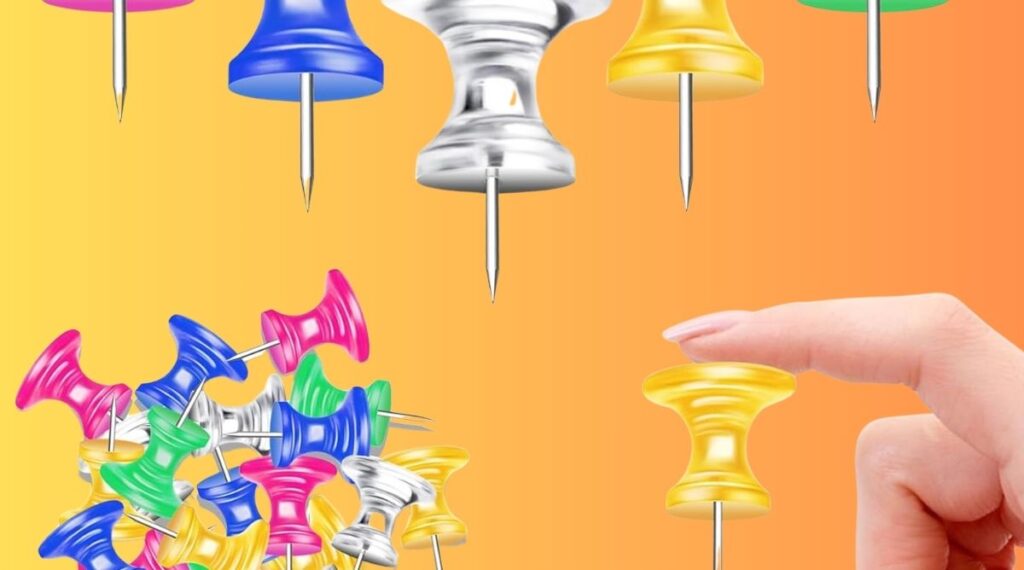
Beyond the office, push pins are versatile at home too. Whether you are pinning family photos on a corkboard or marking a wall calendar, the 1 inch size provides enough grip without damaging the surface.
A Standard Dice Cube
Standard dice, measuring just under 1 inch at approximately 16 millimeters (0.63 inches) per side, are a familiar tool in tabletop gaming. Their consistent sizing gives games a tactile element and a reliable reference point for game design.
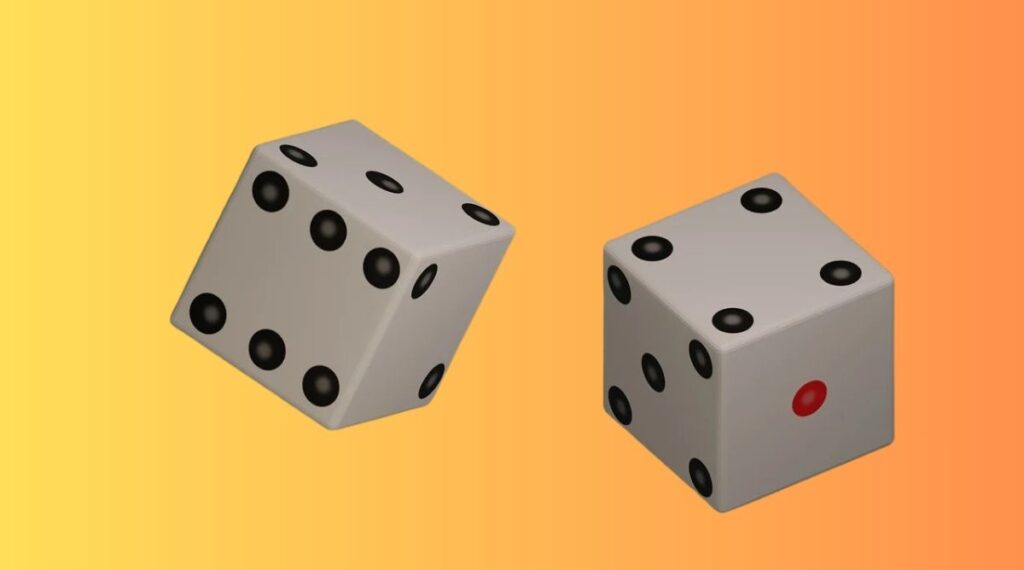
Knowing how a standard die compares to a full inch helps with spatial awareness during play. This uniformity matters for game designers who follow strict specifications so that every component, from figures to battle maps, lines up correctly.
The Keyboard Ctrl Key
The Ctrl key on most keyboards is close to 1 inch wide, which shows the importance of uniform sizing in technology design. This width keeps the key comfortable and consistent across keyboard models and brands.
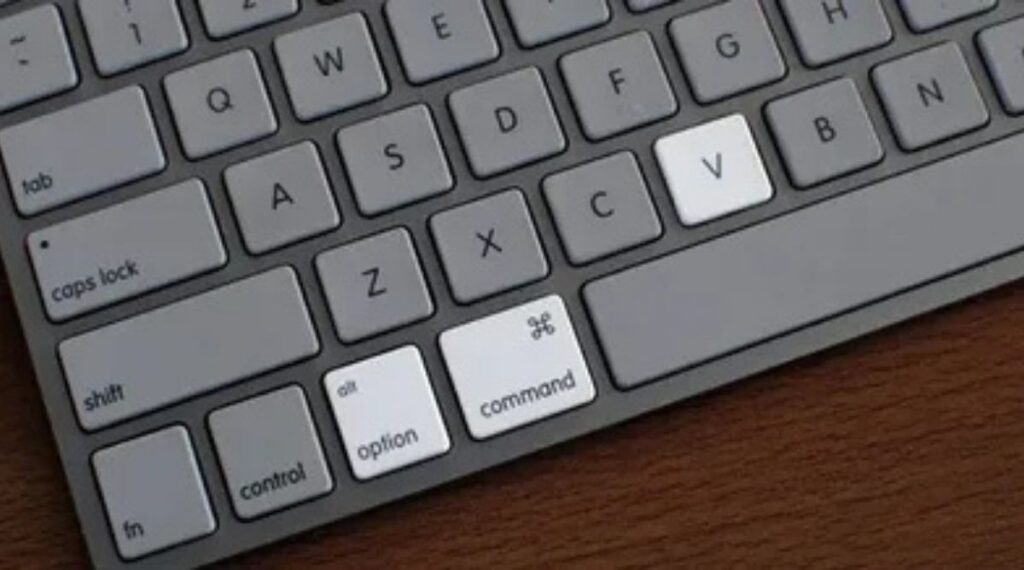
Consistent keyboard layouts let users type and navigate confidently, much like other familiar 1 inch objects such as paperclips or push pins. This predictability supports faster, more comfortable typing during long work sessions.
A Large Button on a Shirt
Large shirt buttons typically measure close to 1 inch across, which makes them an easy makeshift measuring tool during laundry or sewing. This small detail is a useful reminder that measurement references are often already in your closet.
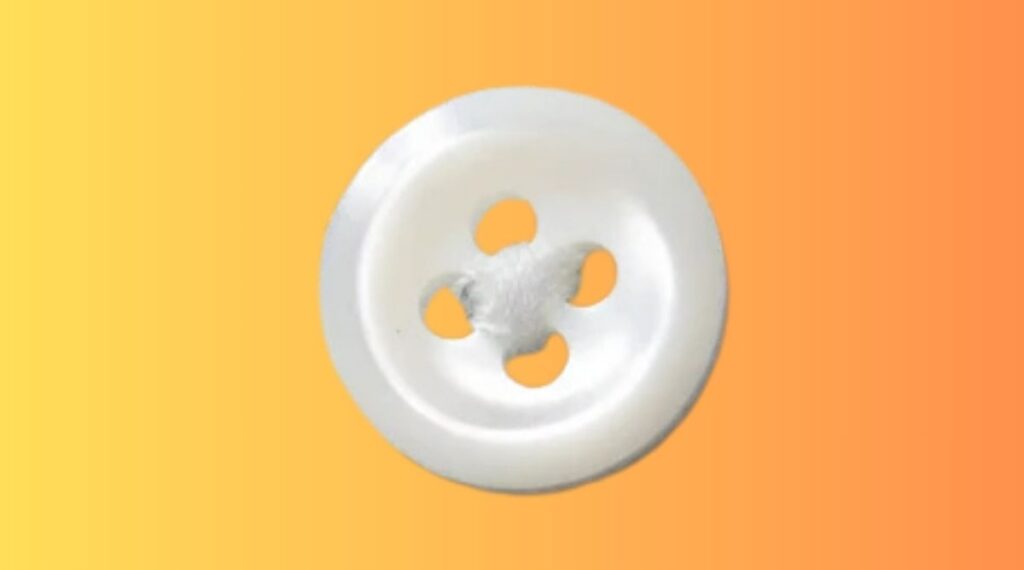
From the width of a standard button to the length of a paperclip, many household items are close to 1 inch, which makes it easier to estimate small lengths without a ruler or tape measure. This trick is especially useful for quick craft or repair projects.
A Sugar Cube
Standard sugar cubes, measuring about 1 inch on each side, are a practical reference in the kitchen. For home cooks and food service workers, these small cubes act as a quick measurement guide for estimating ingredient quantities.

Their cubic shape provides a tactile reference and helps with visualizing other small, square dimensions in recipes, which makes it easier to scale measurements on the fly.
Knowing that a sugar cube equals about 1 inch per side can simplify portioning and ingredient scaling, especially when precision matters.
Hockey Puck
Regulation hockey pucks are exactly 1 inch thick and 3 inches in diameter, made of vulcanized rubber for consistent play. This uniform thickness, not the diameter, is the part of the puck that lines up with a 1 inch reference.
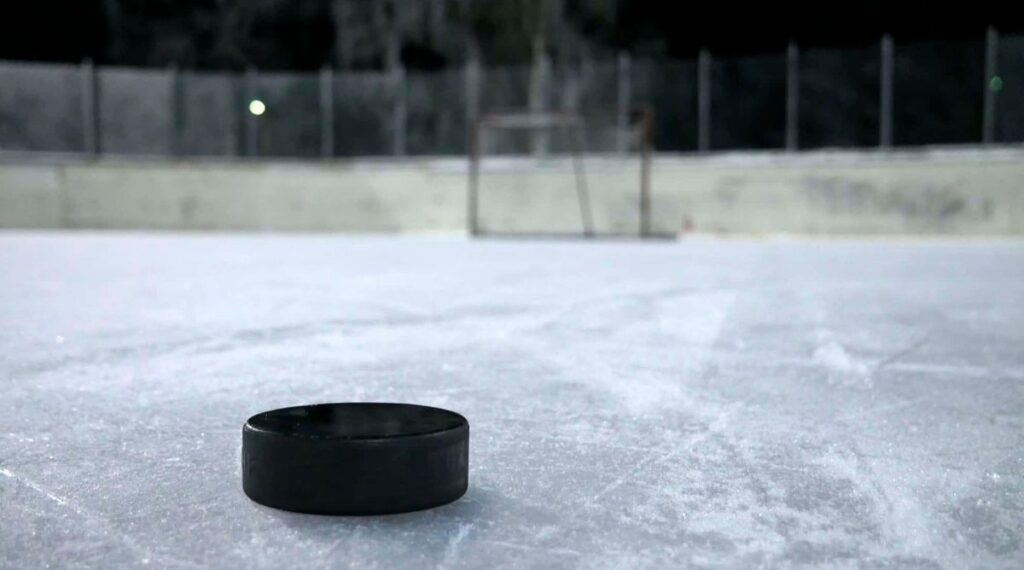
This attention to detail helps players and coaches understand how big is an inch in a sports context, and it allows the puck to be used as a training aid for spacing and estimation drills. Consistent manufacturing keeps every regulation puck performing the same way on the ice.
The Height of a Small Bolt
Small bolts from furniture assembly kits are typically about 1 inch tall, and they play a real role in achieving correct spacing when hanging items. Their small size can make them easy to underestimate, but these components are essential for a balanced, professional-looking installation.
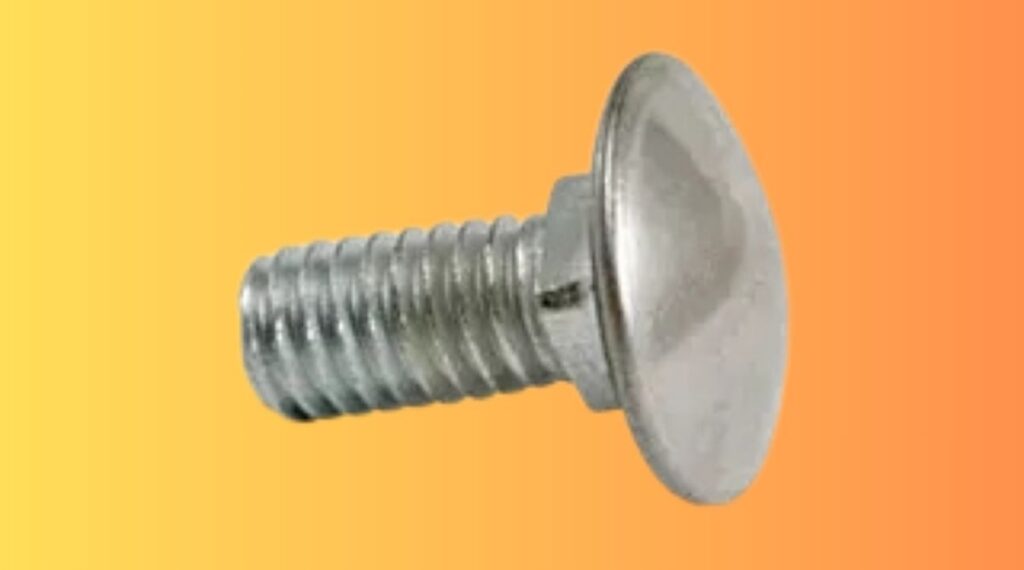
Whether you are mounting shelves or artwork, knowing that these bolts are close to 1 inch tall helps you plan spacing accurately before you start drilling.
These bolts are easy to find in most toolboxes, which makes them a convenient reference for DIY enthusiasts tackling small projects without specialized tools.
Standard Postage Stamp
A standard US Forever stamp measures about 0.87 inches wide by 0.98 inches tall, which is just under a full inch rather than an exact one. Postal services enforce strict size ranges for stamps to keep automated sorting equipment running smoothly.
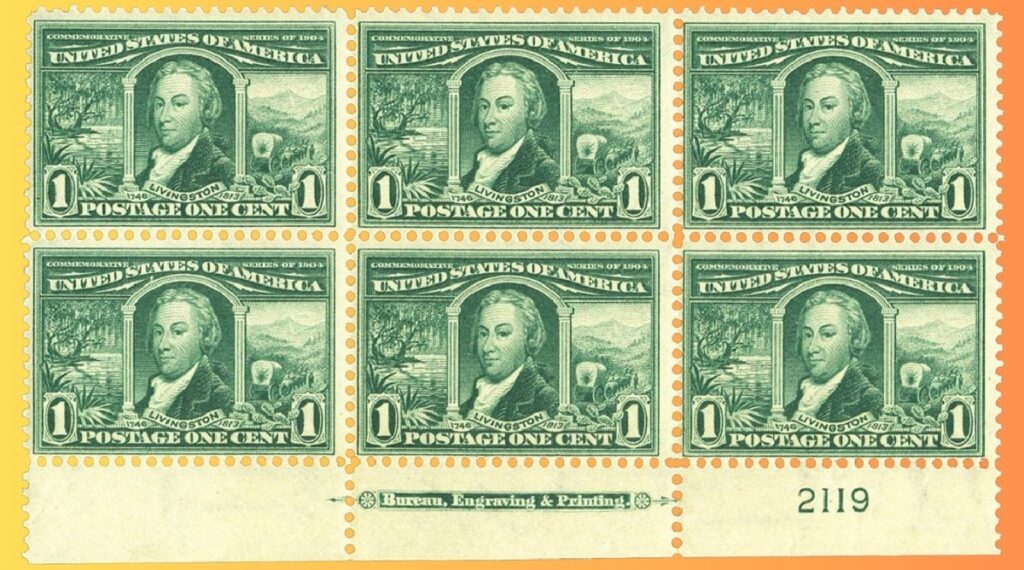
This consistency allows sorting machines to identify and process mail quickly, minimizing delays. When you need a rough size reference and do not have a ruler, a stamp is close enough to 1 inch for casual estimating, even though its exact width is slightly smaller.
Understanding these postal measurements can help with mailing and packaging, since envelopes and parcels need to meet specific size requirements.
Golf Ball Diameter
A regulation golf ball has a minimum diameter of 1.68 inches, which is noticeably larger than 1 inch but still a useful comparison point. A standard paperclip, at about 1 inch long, gives a helpful sense of scale next to a golf ball.
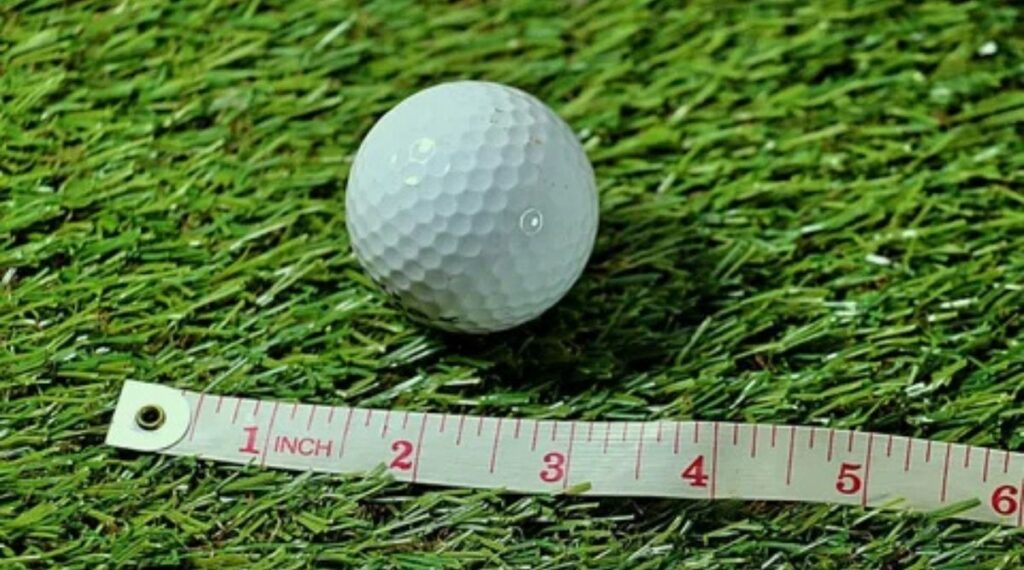
This comparison shows how precise measurements in sports equipment extend into broader fields of design and engineering. Golf ball dimensions are set by governing bodies to keep play fair and consistent across manufacturers.
Manufacturers rely on these fixed dimensions to keep performance consistent across every ball produced, which is part of why golf scoring stays comparable across brands and eras.
Upholstery Tacks
Upholstery tacks, about 1 inch long, are essential for furniture assembly and home improvement projects. Their standard size helps both DIY enthusiasts and professionals work efficiently while keeping a clean, finished look.
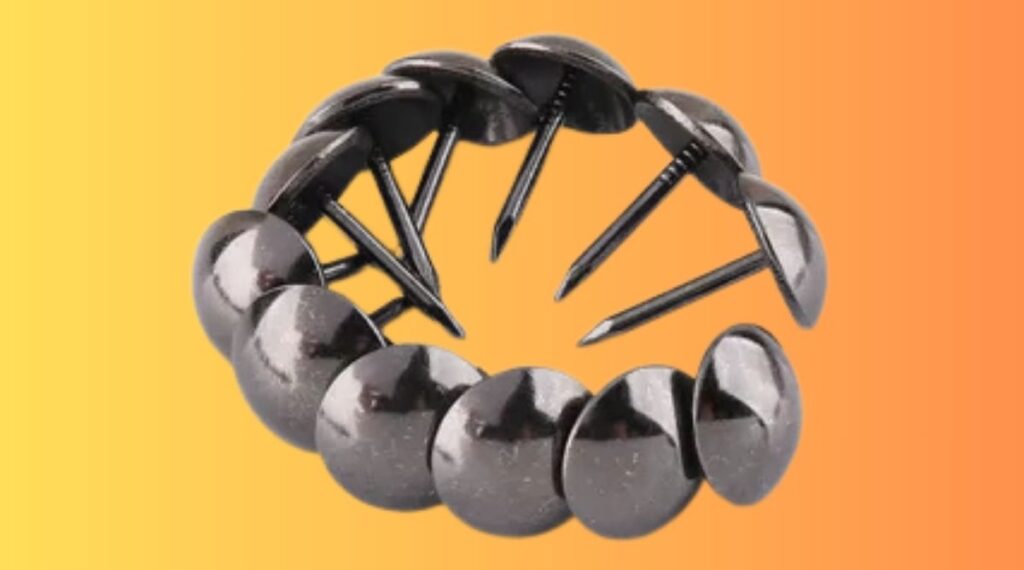
Reliable manufacturing builds confidence for anyone using them, which lets people focus on the creative side of a project rather than worrying about materials. Familiarity with tack length also improves budgeting and planning for upholstery work.
This knowledge is useful for tasks like restoring vintage chairs or building custom furniture pieces.
Tips for Accurate Measurement Estimation
Accurate estimation starts with the right tools, such as calipers or a tape measure, for anything that needs precision. Everyday references like paperclips or coins work well for quick, casual checks, but they should not replace a real measuring tool for tasks like carpentry or sewing patterns.
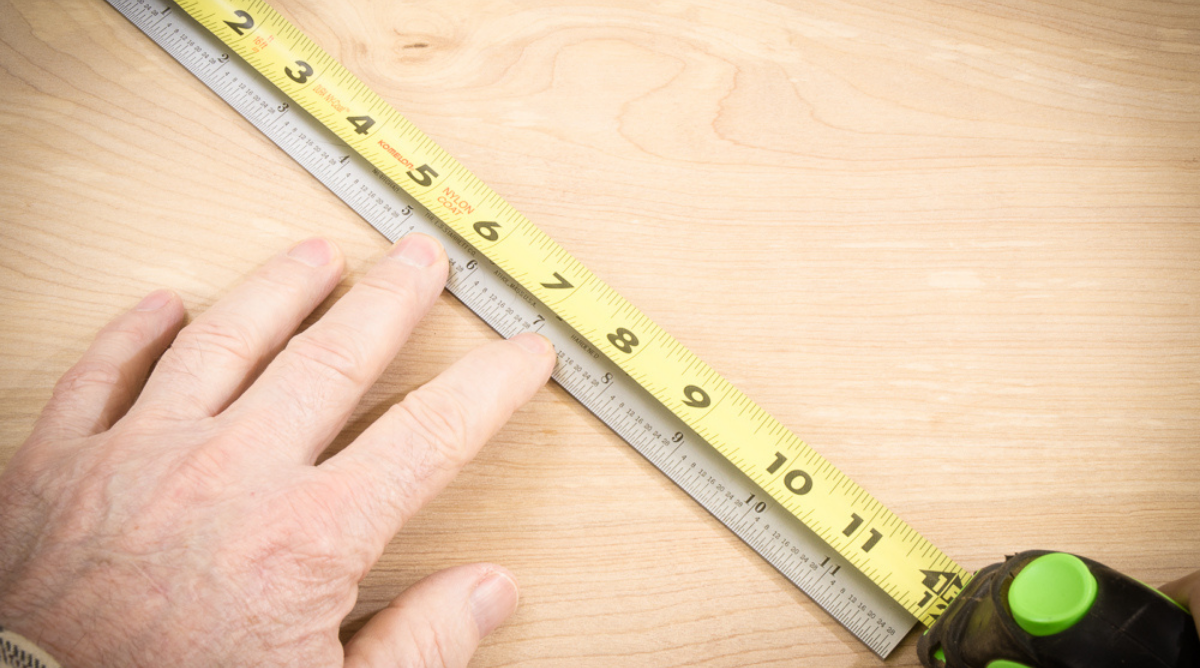
Comparing an unfamiliar object against a known benchmark, like a quarter or a sugar cube, improves your estimation skills over time. Practicing this regularly builds intuition that speeds up everyday tasks, from shopping online to quick home repairs.
For a related metric-sized reference, see how big is 2 cm, and for a slightly longer imperial comparison, see how long is 3 inches.
Conclusion
Understanding how long is 1 inch becomes much easier once you compare it with familiar items you see every day. While 1 inch may seem like a tiny measurement, it plays an important role in shopping, crafting, home projects, and product sizing. Using everyday objects as references helps you make quick estimates without reaching for a ruler. Whether you are checking dimensions online or working with real world measurements, knowing what 1 inch looks like can save time and improve accuracy.
With these examples and size comparison techniques, you can confidently visualize a 1 inch measurement whenever you need it. If you want a currency sized comparison as well, the dollar bill dimensions guide is a useful next read.
FAQs
How does 1 Inch Look Like?
On a standard ruler, 1 inch is the distance between the number 0 and the number 1, or between any two whole number markings. Most rulers also divide each inch into smaller fractions, such as 1/2, 1/4, 1/8, and 1/16 inch, for more precise measurements.
How does 1 inch look on your finger?
A practical way to picture this distance is by measuring from the tip of your thumb to the first knuckle. For most adults, this distance is close to 1 inch, similar to the width of a large paperclip or the diameter of a bottle cap.
What Household Objects are Exactly 1 inch?
A US quarter, a bottle cap, a standard push pin, a guitar pick, and a sugar cube are all close to 1 inch. None of these is a certified measuring tool, so they work best for casual estimation rather than precision work.
What is 1 inch from your finger?
The phrase 1 inch from your finger refers to using your finger as a built in measuring guide. By extending your index finger, you can mark or estimate a distance of about 1 inch from its tip. This method works well for quick measurements when a ruler is not available.
What is 1 inch long in millimeters and centimeters?
One inch is exactly 25.4 millimeters, which is the same as 2.54 centimeters. This conversion is fixed by international agreement, so it does not change or round differently depending on the country.
How do you visualize 1 inch without a ruler?
Visualizing 1 inch is simple using everyday objects like your thumb, which is typically close to 1 inch wide at the base of the nail. A bottle cap, a quarter, or a push pin are also reliable visual references.