How Long Is A Kilometer? Uncover The Reality About 1 KM
1 kilometer is roughly the equivalent of 0.62 miles, and it is approximately the distance you can walk in about 10 to 12 minutes. While this may seem straightforward, understanding how long is a kilometer can have practical implications, especially for travelers and fitness enthusiasts.
We’ll explore the significance of the kilometer in different contexts, from global navigation to your daily jog. By the end, you’ll have a clearer understanding of this essential unit of measurement and how to convert it into familiar distances.
Historical Background of the Kilometer
The kilometer is a unit of measurement that came about in the late 18th century during the French Revolution. As France wanted to standardize its measurements, revolutionary thinkers accepted the metric system.
The kilometer evolved as a logical step from the meter. It aimed to unify measurements for science and industry, symbolizing progress in a time that valued efficiency and consistency.
Comparison: Kilometer vs. Mile
Kilometers and miles each have their own uses when discussing distances. A kilometer is about 0.62 miles, making it easier for many people to calculate distances worldwide.
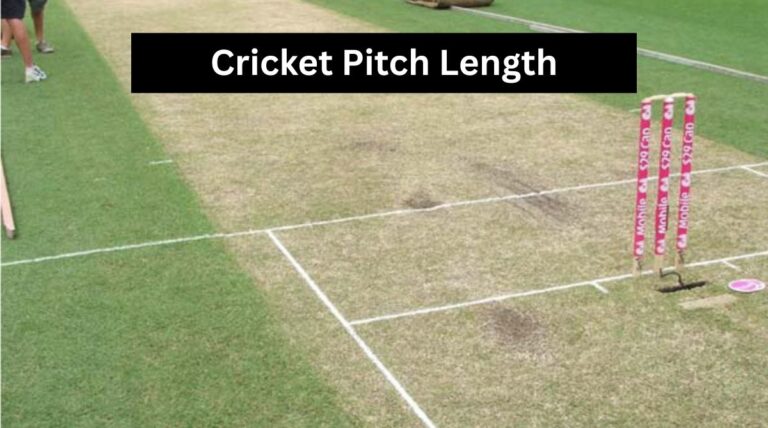
To understand a kilometer, imagine a thousand meters. This is like ten football fields lined up, which helps you picture how far is a kilometer when traveling.
The mile comes from Roman measurement systems and is widely used in the United States. While it may not be as simple as the kilometer, many people find comfort in its familiar use.
Since 1 km is just under a mile, this can lead to funny mistakes when traveling or exercising. Whether you’re timing a run or planning a road trip, understanding these differences can help you better understand distances and improve your navigation.
Practical Uses of a Kilometer
A kilometer is 1,000 meters and serves as more than just a measurement; it’s a useful tool in many areas. When you think about how big is a kilometer, consider its use in city planning.
Planners use kilometers to measure distances between important buildings, ensuring public services like schools and hospitals are easily accessible to most people. This careful planning helps create walkable cities, allowing communities to grow where people can thrive without relying too much on cars.
Kilometer in Everyday Life
One kilometer, which is equivalent to approximately 0.62 miles, may seem like just another measure of distance. This seemingly simple unit can encapsulate fascinating landmarks and everyday experiences.
Distance of Ten Football Fields
If you were to walk one kilometer, you’d be covering the distance of ten football fields end to end. Imagine the stories waiting to be discovered in that stretch; each step could lead you past vibrant street art, cozy cafes, or conversations from the locals that breathe life into a city.
For Fitness and Health Goals
In fitness, knowing how long is a kilometer can help you reach your health goals. Running, cycling, or walking a kilometer, which is just over half a mile, gives you a clear target.
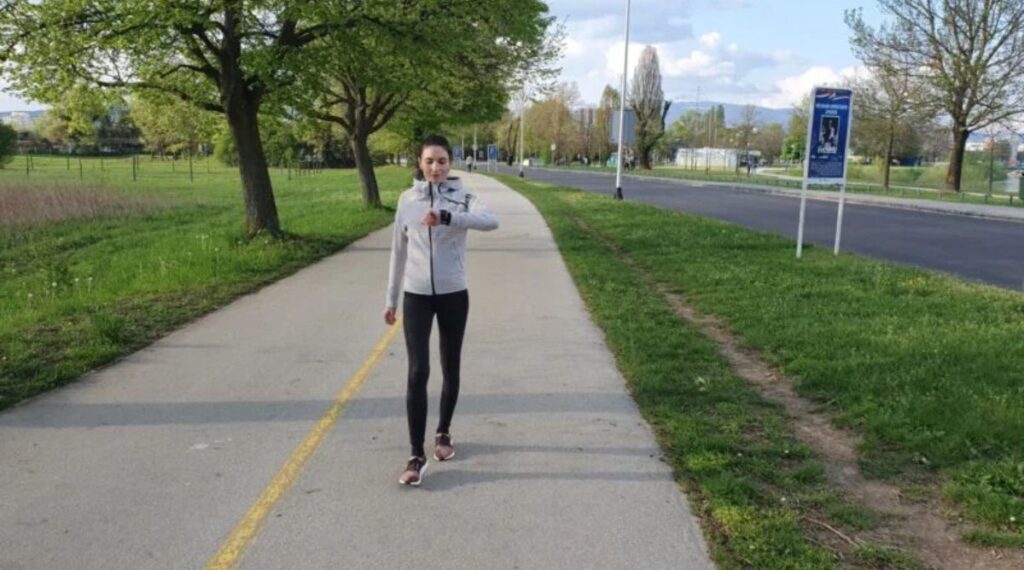
For new athletes, setting goals in kilometers makes distances feel easier. Every kilometer you complete takes you closer to personal achievements, making each part of your route significant in your journey towards improvement.
City planners Use Kilometers
As cities change, the meaning of a kilometer goes beyond fitness. City planners use kilometers to decide where to place parks and public transport. Understanding distance affects lifestyle choices, like how far you walk to work and your impact on the environment. By recognizing kilometers, we can better appreciate our surroundings and how they affect our well-being.
Converting Kilometers to Other Units
When considering how big is a kilometer, it’s essential to grasp its comparative scale. A kilometer equals 1,000 meters, but that can feel somewhat abstract without real-world context.
Converting kilometers into miles offers another layer of understanding, where one kilometer is approximately 0.621371 miles. This conversion not only aids in travel but also enriches one’s appreciation for distances traveled.
Fun Facts About Kilometers
The kilometer was designed to relate to Earth’s circumference, with one degree of latitude equating to about 111 kilometers. This connection emphasizes the metric system’s scientific foundations and its worldwide significance.
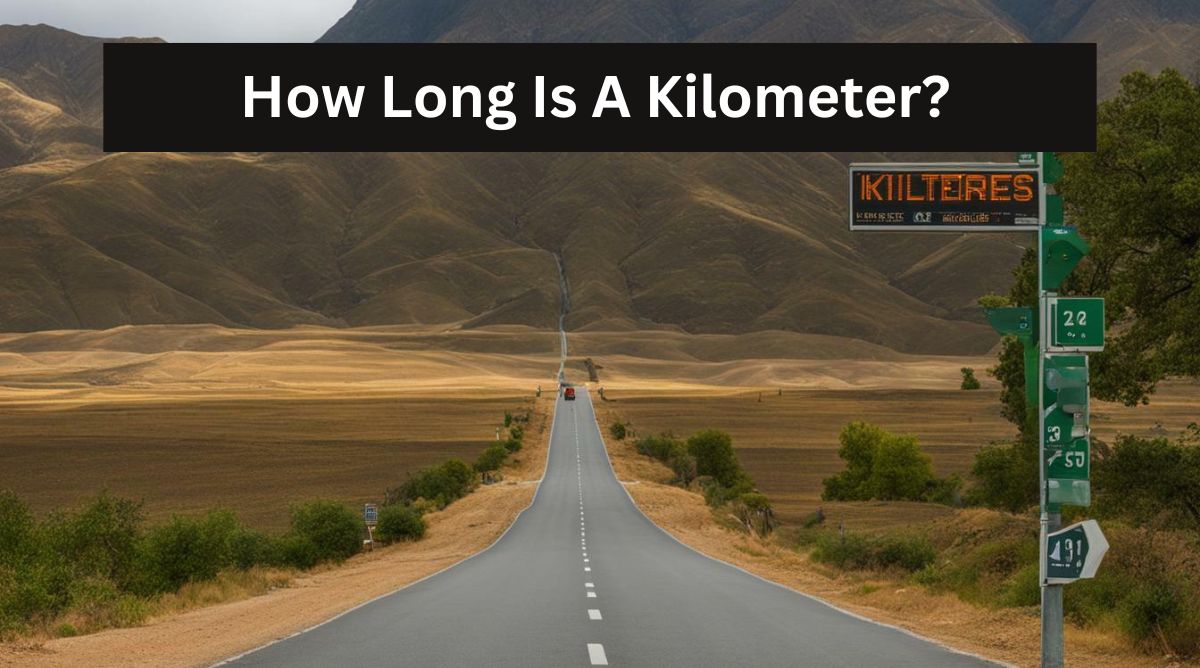
Recognizing a kilometer on distance signs reveals the rich history and math behind our measurements, linking us to geography and diverse cultures.
Common Misconceptions About a Kilometer
Many people mistakenly believe a kilometer is nearly the same as a mile, while it is actually about 0.62 miles, leading to confusion in navigation. Although a kilometer seems short on a map, it can feel long when walked or run. This difference highlights the need for a practical understanding of distances, as the effort required can vary by terrain and fitness level.
Therefore, when asked about the length of a kilometer, it’s essential to consider both its numerical value and the subjective experience of covering that distance.
How Long Is a Kilometer? Embracing the Kilometer Measurement
Embracing the kilometer promotes a metric system mindset, offering a relatable measurement for daily activities. One kilometer, slightly over half a mile, serves as a motivating distance for jogging and fitness.
This unit simplifies personal challenges, making exercise feel more achievable. Measuring distances in kilometers also aligns with global standards, enhancing your travel experiences and cultural interactions. Whether in nature or urban settings, using kilometers can foster a greater appreciation for your surroundings and journeys.
Conclusion
A kilometer is a fundamental unit of measurement that plays a crucial role in various contexts, from travel to sports. Understanding how long is a kilometer can help individuals grasp distances more effectively, whether they are planning a road trip or training for a marathon.
With 1,000 meters making up this unit, it’s essential to convert it into familiar terms for practical use. By adopting tools like conversion apps or reference charts, anyone can easily relate kilometers to miles or other units of measurement.
FAQs
How Long is 1 km?
One kilometer is 1,000 meters, roughly 0.62 miles. It typically takes 10 to 15 minutes to walk. This unit is practical for everyday activities and sports.
What is 1 km Equal to in Miles?
One kilometer equals about 0.621 miles, aiding travelers in countries with different measurement systems. Understanding this conversion is essential for interpreting distances when encountering kilometer-based road signs.
What is an Example of a 1 km Distance?
A kilometer equals 1,000 meters. For perspective, walking around a small pond often ranges from 500 meters to 1 kilometer, illustrating this distance well.