How Long Is A Centimeter? 9 Common Things That Are 1 cm Long
1 centimeter is roughly the width of a large paperclip. In our everyday lives, we often encounter centimeters but may not fully grasp this metric unit’s significance. Understanding “How Long Is A Centimeter” can help you navigate various practical situations, from cooking to home improvement. We’ll clarify the concept of a centimeter and provide relatable examples, enhancing your measurement skills in a metric world.
How Big Is A Centimeter
When exploring dimensions, understanding how big is 1 cm can truly enhance our perspective on everyday objects. 1 inch is about 2.54 centimeters, almost 3 centimeters. This shows how small a centimeter really is.
For a clearer picture, imagine a large paper clip. Its width is about 1 centimeter, which helps demonstrate how small this unit is compared to other measurements.
One foot is about 30.48 centimeters. This means a foot has nearly 30 centimeters, helping us understand the size better when we switch from centimeters to feet.
A meter equals 100 centimeters, which means 1 centimeter is one hundredth of a meter. This understanding helps us know how big is a cm and highlights the importance of measurements in our daily lives.
One-Centimeter Examples—9 Common Things That Are 1 cm Long
A centimeter affects our daily lives by helping us understand the size of objects. This small measurement is important for precision. Here is the list of common objects that are 1 cm long:
- Width of A Large Paper Clip
- Diameter of a Pencil
- Width of a USB-C Connector
- The Thickness of a Notepad
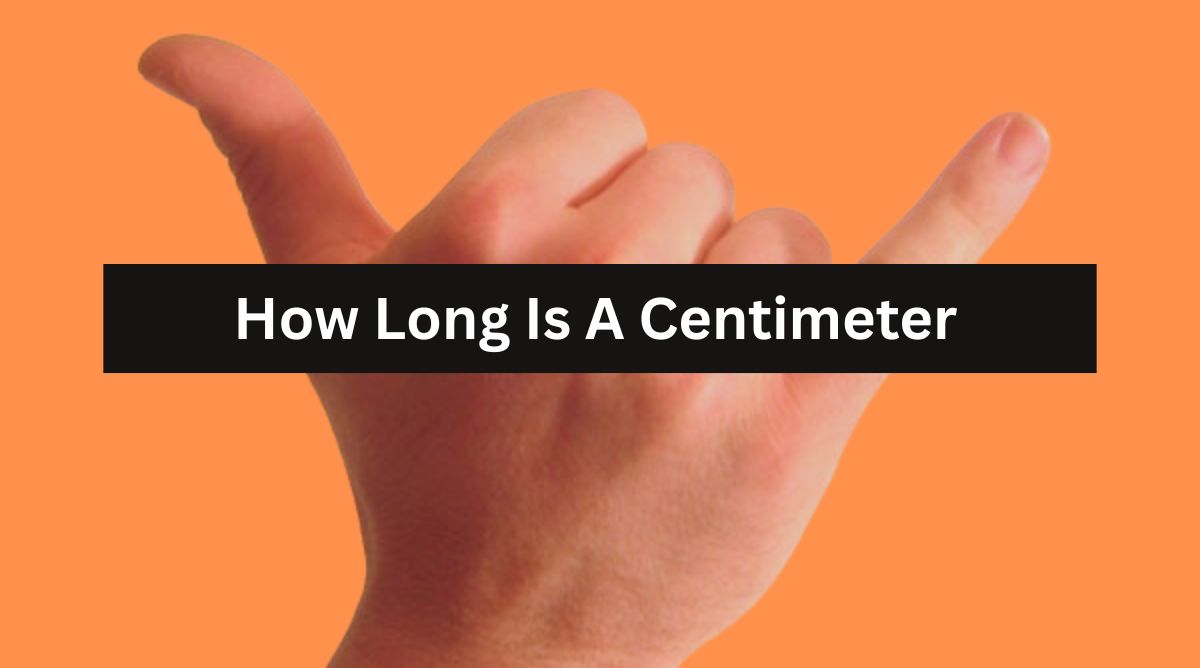
- The Width of Our Pinky Finger
- Length of a Staple
- Height of a Lego Stud
- Radius of a Grape
- The Height of 10 CD’s stacked
A Large Paper Clip
The large paper clip, 1 centimeter wide, is a great example of useful and simple design. It holds papers securely without damaging them, showing that practical tools can be elegantly basic. Considering how long is a centimeter can enhance our appreciation for such everyday items.

Even though it’s small, a paper clip aids organization and efficiency at home and in offices. This design shows that even little tools can greatly influence our daily routines.
Diameter of a Pencil
The diameter of a pencil might seem like a trivial detail, but it can influence both how we use it and our overall comfort while writing or drawing. Standard pencils feature a diameter of about 0.7 centimeters, an ideal size that balances usability with portability. This dimension allows for a satisfying grip without straining the fingers during extended periods of use.
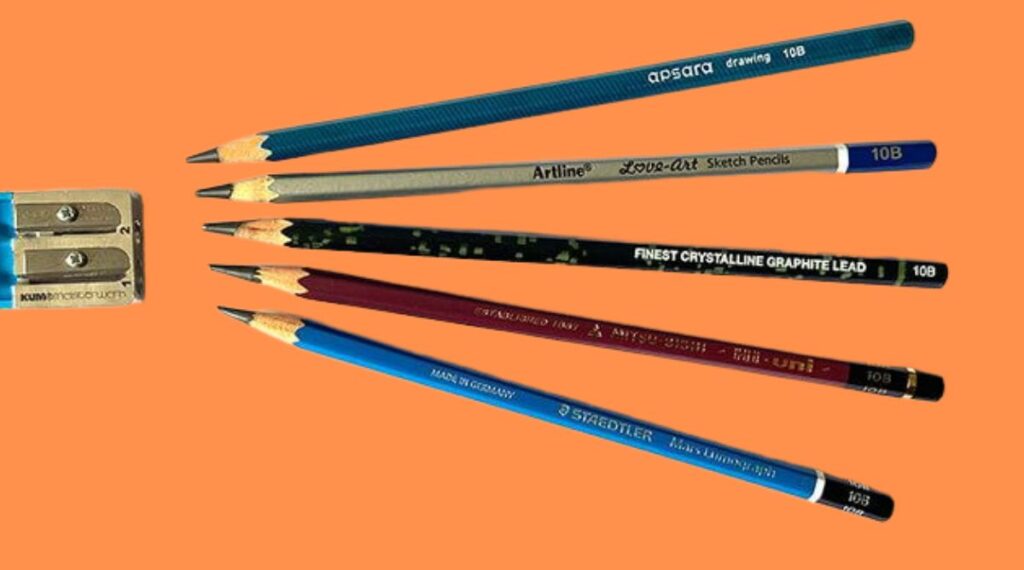
What is a centimeter in the context of creative processes? It translates into an essential metric that not only measures length but also embodies the fine balance between precision and expression.
Width of a USB-C Connector
USB connectors are essential for charging and data transfer, with USB Type-C leading the way. Its compact 0.84 cm width offers convenience and versatility, allowing users to connect without worrying about orientation.
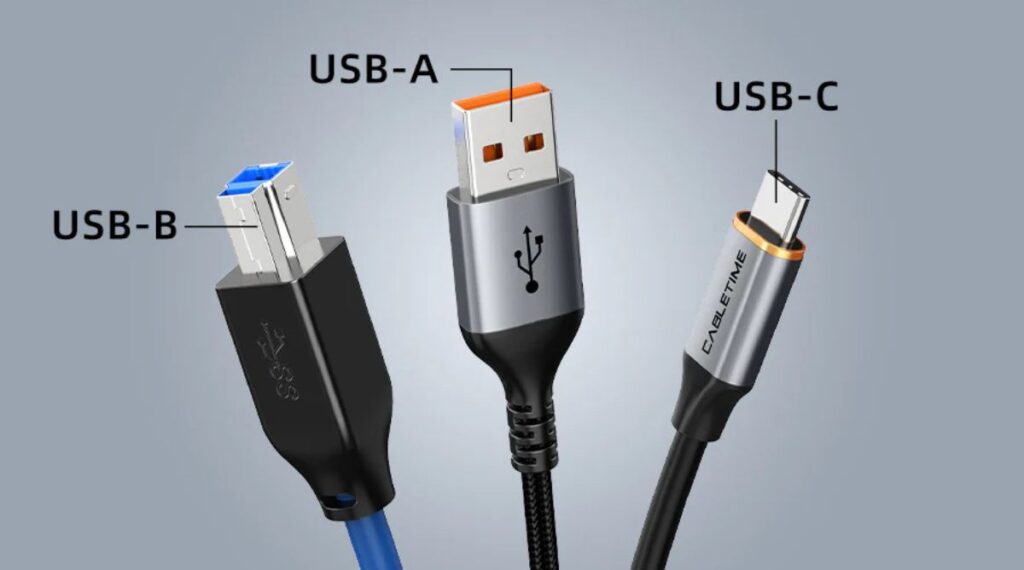
The bulkier Type A connectors, at nearly 1.4 cm, are becoming outdated as minimalism gains importance. Type-C supports faster charging and higher data transfer rates, enhancing user experience. This shift signifies a future focused on efficiency and ease of use.
As technology advances, even small design changes can significantly impact our interaction with devices, streamlining our digital routines.
The Thickness of a Notepad
A notepad is usually about one centimeter thick. This small size can inspire creativity and help with organization. At this measurement, how big is a cm becomes a small yet important canvas for our thoughts and ideas. A typical spiral-bound notepad has around 70 sheets, providing plenty of room to write lists, note quick thoughts, or doodle.
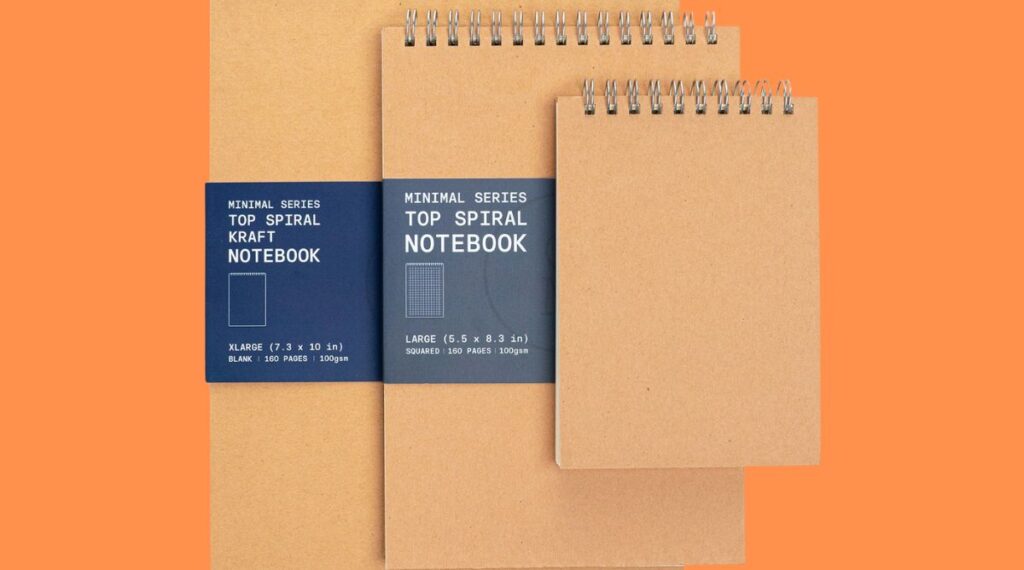
Writing on paper enhances cognitive processes, turning abstract thoughts into tangible ideas. Each pen stroke solidifies concepts, making notepads essential for planning and creativity in today’s digital age. Appreciate the potential within each sheet.
The Width of Our Pinky Finger
The pinky finger is small but reveals interesting facts about body proportions. It measures about 1.5 cm to 2 cm wide, making it the smallest finger on our hands. Despite its size, it plays an important role in how we use our hands and symbolizes various ideas.
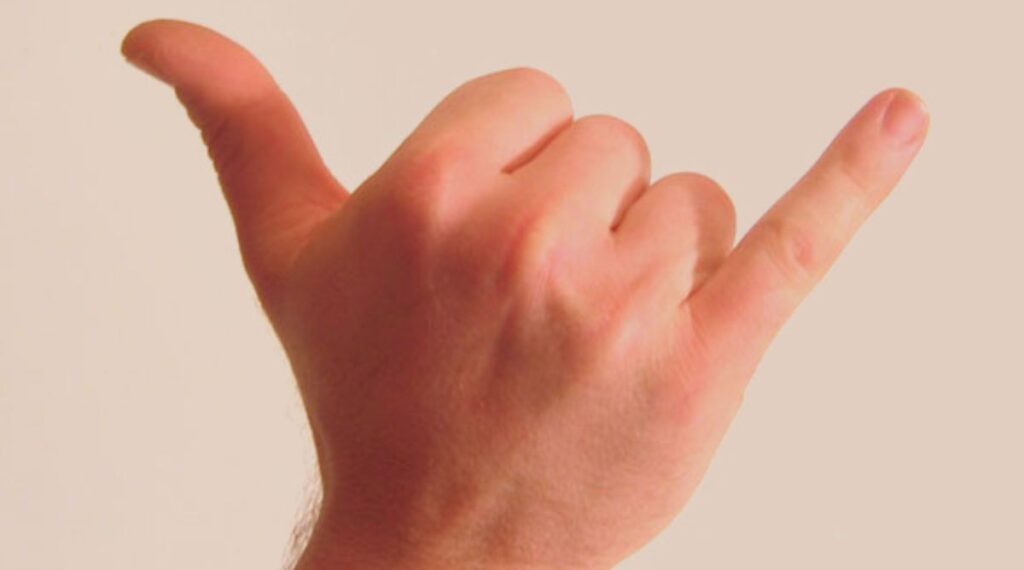
What is a centimeter, after all? A centimeter is a unit of measurement that helps us understand the details of our bodies. The pinky serves as a handy reference point for comparing the size of other objects and measuring small items in our daily lives.
Length of a Staple
The standard staple, the widely used 23/6 variant, offers a fascinating way to visualize how long is a centimeter. Each staple measures 6 mm in length. Two staples placed side by side not only hold papers together but also visually show this unit of measurement.

Staples come in various lengths and designs, suited for different tasks. The simple design of a staple hides its usefulness. These small metal tools help us stay organized in our daily lives, whether at work, school, or in creative projects. Thin-gauge staples are designed for delicate pages, while sturdier ones are meant for crafting and upholstery.
Height of a Lego Stud
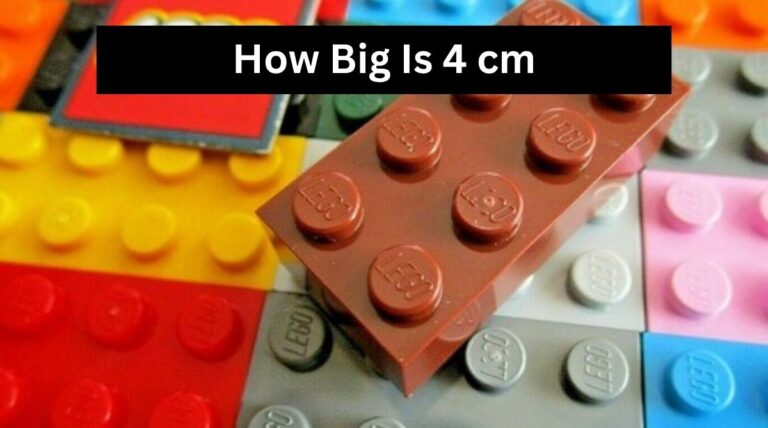
A Lego stud is about 1 cm tall, helping us understand measurements in play and building. It is roughly the same length as a large paperclip, making it easier to picture how long is 1 centimeter. This clever design not only serves its building purpose but also helps kids and adults learn basic measurements through hands-on use.
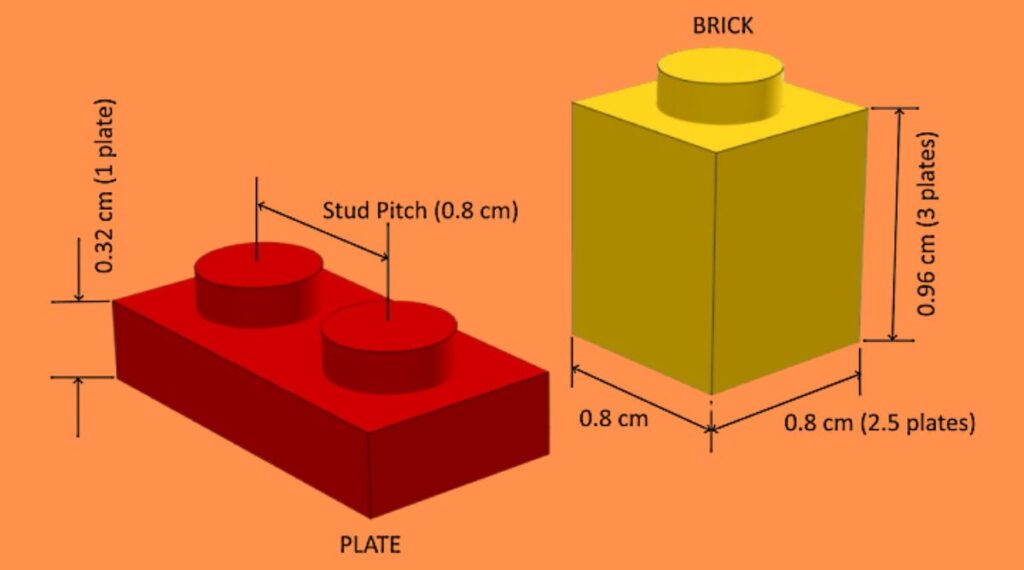
The standard Lego brick measures 1.6 cm tall, 3.2 cm long, and 1.1 cm wide. Stacking bricks allows learners to explore volume and area tangibly, turning abstract concepts into real shapes.
Radius of a Grape
A grape, averaging 1 cm in radius, effectively illustrates measurements and promotes snacking. Its consistent size across varieties, like Concord and Thompson seedless, makes grapes a popular choice for fruit platters.

Peas also average about 1 cm, inviting playful comparisons. This similarity helps visualize a centimeter, emphasizing its bite-sized nature. The contrasting colors of grapes and peas further enhance our grasp of dimensions and showcase the delightful connections found in nature’s foods.
The Height of 10 CDs Stacked
Stacking 10 CDs, each with a thickness of 1.2 mm, provides a tangible way to grasp just how big is a centimeter. This stack, reaching a total height of 12 mm, or 1.2 cm, gives us a sneak peek into the everyday dimensions that surround us, often overlooked.

This knowledge is useful for home decor and DIY projects. By grasping the size of a centimeter, we gain a better appreciation for measurements and notice details in the world around us. This insight shows how tiny measurements can influence our interactions with common items in significant ways.
Conclusion
1 centimeter is an important unit of measurement used in many areas of our daily lives, like making clothes and measuring furniture. Knowing how long is a centimeter can make tasks easier in both school and everyday activities.
By understanding this metric measurement, people can make better choices, whether for DIY projects or sizing a new home. As we get used to the metric system, measuring in centimeters can improve the accuracy of our measurements.
FAQs
How Big does 1 cm Look Like?
One centimeter is a small measurement, similar to the width of an adult fingernail. Comparing it to your pinky or index fingernail can help illustrate its small size.
How Long is 1 cm in Actual Size?
One centimeter (1 cm) is a metric length unit equal to 0.3937 inches. This conversion aids those familiar with the imperial system in understanding its length. For visualization, a standard paperclip measures about 3 cm, making 1 cm approximately one-third the length of a paperclip.
How Many Fingers is 1 cm?
Measuring in “finger widths” can vary due to differing finger sizes. An adult finger measures about 1.5 to 2 centimeters wide, making it more accurate to consider this range rather than just 1 cm for measurements.