Cricket Pitch Length: Standard Size, Measurements, and Complete Guide
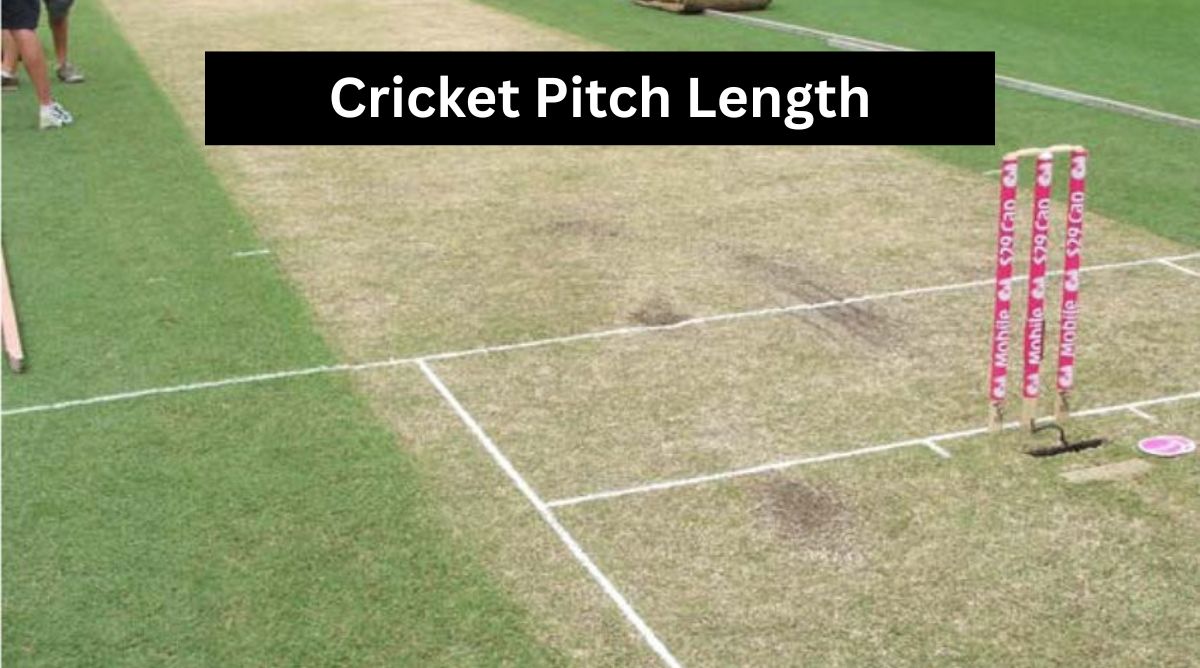
The standard cricket pitch length is precisely 22 yards, yet this seemingly simple measurement has a profound impact on the game. Understanding the cricket pitch length in feet is crucial for players, coaches, and enthusiasts alike, as it directly influences bowling dynamics and batting strategies.
We’ll explore the importance of pitch dimensions, their impact on gameplay, and provide insights into variations across different formats.
What is a Cricket Pitch?
Every cricket match revolves around the pitch, a carefully kept square area where the game unfolds. This patch of grass is where bowlers showcase their skills, spinning and seaming the ball.
Batsmen respond with precise timing as they counter the challenges. The tension on this ground is intense, as quick decisions can lead to victory or failure.
Cricket Pitch Length In Feet: Standard Cricket Pitch Measurements
Each match takes place on this pitch, which is where strategies are tested and heroes are made. Beyond the pitch is the boundary, where good shots can earn six runs, but its location depends on the pitch’s size.
Standard Cricket Pitch Measurements (Men’s International Cricket)
The cricket pitch is 66 feet long (20.12 meters) and is where strategy and skill come together. This area is like a battleground, with bowlers showcasing their skills and batsmen responding with precision. Its width of 10 feet (3.05 meters) adds complexity, as batsmen must quickly adjust their stance and focus on every delivery.
The bowling crease is 8 feet 8 inches (2.64 meters) long and is crucial for bowlers gaining momentum. The popping crease is just 4 feet (1.22 meters) in front of the stumps, forcing batsmen to stay alert for fast deliveries. The return crease, 4 feet 4 inches (1.32 meters) from the stumps, gives bowlers a strategic edge, allowing them to use various deliveries that can confuse even experienced batsmen.
Knowing these measurements changes how we view the game. Every inch of the pitch affects the play, leading to a greater appreciation for the players’ tactics and enhancing the excitement for fans watching the action unfold.
Historical Background of Pitch Length
The cricket pitch is 22 yards long, a standard that has not changed since the 18th century. This length comes from old English land surveying practices. It equals 66 feet, a distance that feels natural and familiar.
This specific measure was not random; it came from a common land surveying tool that was also 22 yards long, making it a natural fit for the sport.
Different Pitch Lengths in Various Formats
Cricket pitch lengths change based on age, reflecting the growing skills of young players. For international Men’s and Women’s matches, the standard pitch is 22 yards (20.12 m). This length challenges both bowlers and batters while providing a consistent measure for competitions worldwide.
In Under-19 cricket, the pitch length stays at 22 yards, helping players adapt as they mature. For younger groups, the pitch lengths are shorter: 19 yards (17.37 m) for Under-13, 18 yards (16.46 m) for Under-11, and 16 yards (14.63 m) for Under-9. This gradual shortening makes the game easier and supports young cricketers in developing their skills in a welcoming environment.
Components of a Cricket Pitch
A cricket pitch has several markings and areas, not just its length:
1. Creases: Includes the bowling crease, popping crease, and return crease.
2. Stumps & Bails: Found at both ends of the pitch.
3. Protected Area: A five-foot (1.52 m) zone where bowlers must not damage the ground.
4. Footmarks: Created by bowlers during their deliveries.
5. Pitch Surface: Can be made of natural grass or synthetic material.
Role of Pitch Length in Batting and Bowling
The consistent pitch length keeps cricket fair, but its location can change how the game is played:
For bowlers: Longer deliveries, whether swinging or seam, mean they must master throwing over the 22-yard distance to challenge batsmen.
For Batsmen: They need to judge the bounce and speed of the ball to adjust to the pitch length.
How Pitch Condition Interacts with Length
Dry, cracked pitches favor spin bowlers, creating unpredictable turns and challenging batsmen. Spinners gain confidence and refine their skills in these conditions.
Green pitches benefit seam bowlers with moisture that enhances movement and pace, requiring batsmen to adapt quickly. Under overcast skies, seamers thrive as the ball swings, demanding precision.
Flat pitches, however, favor batting, allowing batsmen to excel without bowler assistance, leading to high scores and exciting displays.
Each pitch type presents a unique dynamic, showcasing the intricacies of cricket and the strategies required by players. The variety significantly influences match outcomes and overall gameplay.
Pitch Length in Different Types of Cricket
The 22-yard pitch in Test cricket symbolizes endurance and technique, demanding physical and mental resilience over five days. Each run and dismissal holds significant weight, highlighting strategic elements in this long-format game.
In contrast, ODIs and T20s favor aggressive scoring, shifting the focus towards entertainment and often sidelining traditional bowling artistry. The evolving pitches reflect this change in dynamics, emphasizing exciting performances.
At the grassroots level, shorter pitches are tailored for young players, boosting confidence and focusing on skill development. This approach cultivates a passion for cricket, making it accessible and enjoyable for all ages.
ICC Rules Regarding Pitch
- The pitch should be exactly 22 yards (20.12 meters) long between the bowling creases.
- The width of the pitch must not be more than 10 feet.
- Both ends should be flat and level.
- Lower-level cricket can use artificial pitches, but they must have the same measurements.
Maintenance of a Cricket Pitch
- Maintain cricket pitch length for optimal play.
- Roll the pitch for an even surface.
- Water regularly to promote healthy grass.
- Cover the pitch during rain to protect it.
- Mark creases consistently for clarity and regulation.
Conclusion
Cricket pitch length is important for how the game is played. Set at 22 yards, this distance affects bowlers’ strategies and batsmen’s techniques. Knowing why pitch length matters can help you appreciate the sport more and enjoy watching it. As we look at cricket’s details, remember that pitch length is key to exciting matches.
FAQs
What is Pitch Length in Cricket?
The pitch length in cricket is 22 yards (20.12 meters) between the wickets. This distance is important because it shapes how the game is played. It marks where bowlers throw the ball and where batsmen react. A consistent pitch length helps players plan their strategies, allowing them to anticipate plays based on this set distance.
Is A Cricket Pitch 66 Feet?
A cricket pitch is 66 feet long, which is the same as 22 yards or about 20.12 meters. This length is measured from the center of the two sets of wickets at each end of the pitch. This standard length is used in all formats of the game, keeping play consistent across different matches.
Why is a Cricket Pitch 22 Yards Long?
The length of a cricket pitch is 22 yards (20.12 meters). This measurement comes from old farming practices, especially the Saxon strip-acre system. It was used to keep crops spaced evenly. When cricket began in England, it took on many elements of English measurements, including the pitch length, which fits with how land was measured traditionally.