Concrete Block Dimensions: Size, Types & Benefits
Concrete blocks are strong building materials made from cement, sand, and water. They are widely used in construction for walls, buildings, and boundaries. These blocks are also known as concrete masonry units (CMU).
Concrete blocks come in various dimensions, each serving distinct purposes in the construction world. The dimensions of concrete blocks can significantly affect construction timelines and costs. Understanding concrete block dimensions is crucial for anyone involved in construction, whether you’re a seasoned professional or a DIY enthusiast.
Standard Concrete Block Dimensions
Standard dimensions make construction easier. Builders can plan better, reduce waste, and maintain quality when blocks follow standard sizes. Globally, different standards reflect varying construction practices, with European blocks often accommodating insulation needs.
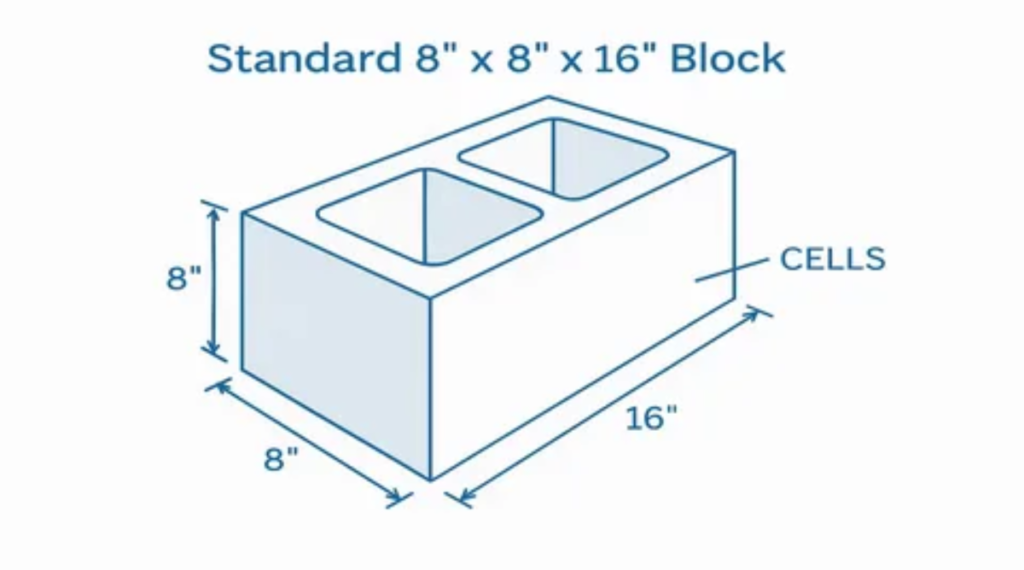
Varied dimensions can impact aesthetics and functionality. In the United States, the standard concrete block measures 16 inches in length, 8 inches in height, and 8 inches in width. This versatility makes it an ideal choice for everything from foundations to interior walls.
In the UK, you will find a slightly different standard dimension: the concrete block typically measures 440 mm in length, 215 mm in height, and 100 mm in width. This variation highlights the importance of selecting the correct sizing to align with regional building codes and requirements.
Nominal VS Actual Dimensions of Concrete Blocks
Understanding nominal versus actual dimensions of concrete blocks is essential for precise construction. Nominal size includes mortar joint thickness, aiding architects and builders in planning and layout and serving as a blueprint for design. Actual size is slightly smaller due to manufacturing variations.
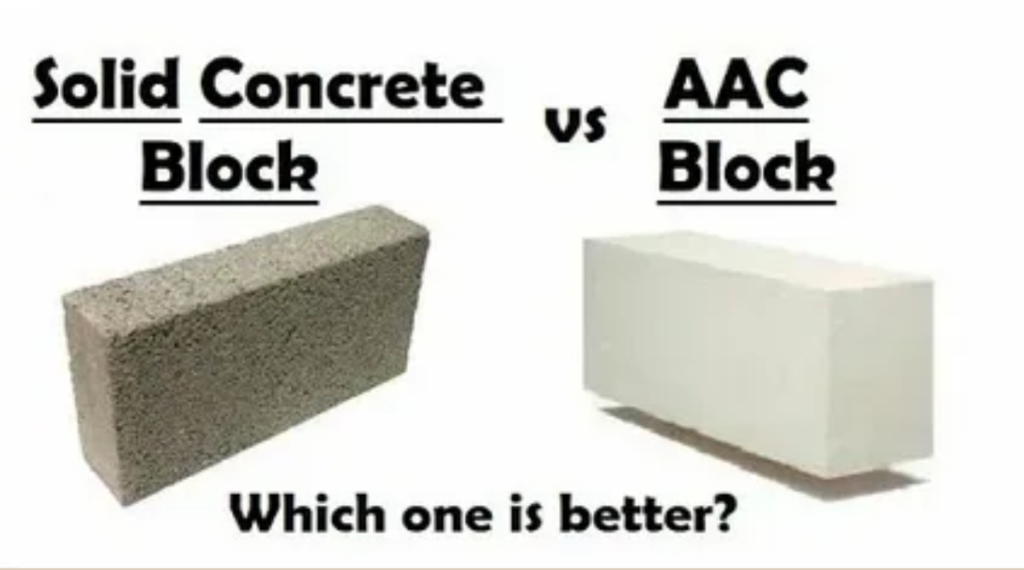
Misunderstanding these differences can lead to gaps and misalignments, affecting structure integrity. Recognizing these nuances improves construction accuracy and project efficiency. By aligning planning with both dimensions, builders can create stronger, more durable structures.
Why Concrete Block Sizes and Specifications Matter
Concrete block size and specifications are vital for construction efficiency and sustainability. Different sizes affect structural integrity, energy efficiency, and costs. Larger blocks can reduce labor and construction time, while appropriate dimensions enhance durability against environmental pressures.
Dense blocks provide strong load-bearing capacity, medium-density units balance strength and insulation, and lightweight blocks offer thermal efficiency and ease of handling. Understanding specifications like compressive strength and thermal resistance improves energy performance, minimizing heat loss and reducing energy bills.
Quality blocks meet standards that support sustainability, attracting eco-conscious consumers and influencing the future of architecture and urban development.
Types of Concrete Blocks & Their Benefits
- Solid Concrete Block Measurement
- Hollow Concrete Blocks Size
- Cinder Concrete Blocks
- Aerated (AAC) Concrete Blocks
- Decorative Concrete Blocks Size
- Light Weight Concrete Blocks Dimensions
- Interlocking Concrete Blocks/Interlocking Masonry Units (IMU)
Solid Concrete Blocks Measurement
Solid concrete blocks provide a strong, durable feel, essential for load-bearing walls. Measuring 16x8x8 inches, they withstand significant stress. Their resistance to bending ensures long-term stability, making them appealing to homeowners and builders alike.
This dependability instills confidence throughout construction, making solid concrete blocks a trusted choice for various projects.
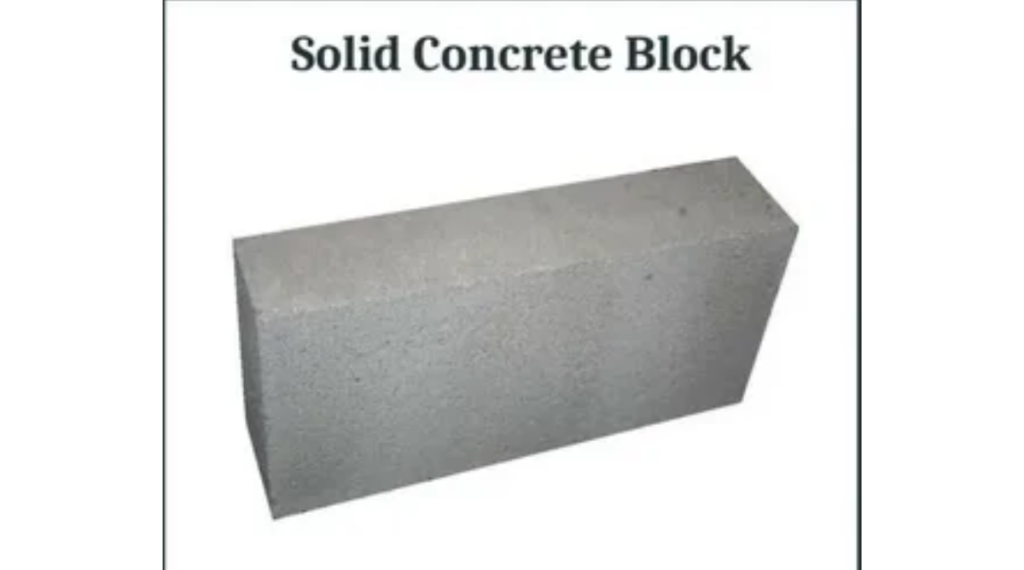
Benefits of Solid Concrete Blocks: Solid concrete blocks possess Strength and Stability due to high density, granting them impressive load-bearing capabilities. Once installed, they are more resistant to shifting, cracking, and movement compared to lighter block alternatives.
These blocks are Long-term Durability due to robust against various environmental factors, including weather conditions, moisture, and temperature fluctuations. They age gradually and can maintain their structural integrity for decades with minimal upkeep.
Due to their weight and density, solid blocks have Sound Reduction, which helps effectively diminish noise transmission through walls. Structures built with these materials typically offer a quieter environment, providing enhanced insulation from external sounds.
Hollow Concrete Blocks Size
Hollow concrete blocks, lighter than solid blocks, enhance efficiency in masonry tasks. Their common sizes are 16 × 8 × 8 inches and 16 × 8 × 6 inches, offering versatility for construction.

These blocks are suitable for both DIY and professional use, making handling easier and reducing fatigue.
Benefits of Hollow Concrete Blocks: Hollow concrete blocks are an innovative construction solution due to their lighter weight and easier handling compared to solid blocks.
They reduce the structural burden, facilitating transport and on-site manipulation, which speeds up the building process and improves worker safety. Better stress distribution from internal voids minimizes cracking and enhances wall durability.
These blocks provide superior thermal insulation and sound dampening, making them suitable for various applications. Their combination of advantages makes hollow concrete blocks a sustainable and efficient choice in modern construction practices.
Cinder Concrete Blocks
Cinder block size, often overlooked in the realm of construction materials, has a unique blend of practicality and versatility. The dimensions of a cinder block are 16 inches long, 8 inches high, and 8 inches wide, which represent the standard size of a concrete block.

These robust building elements serve as the backbone of many structures, from homes to retaining walls. Their lightweight composition, made primarily from aggregates and cement, not only eases transportation and handling but also allows for swift, efficient masonry work.
Their sustainability is notable, as they can be recycled and reused in eco-friendly construction practices. Their porous nature offers insulation benefits, supporting energy-efficient designs. When creatively incorporated into architectural practices, cinder blocks can merge functionality with aesthetic appeal, transforming simple walls into dynamic features.
Benefits of Cinder Blocks: Cinder blocks are lighter than standard concrete blocks, facilitating easier handling and faster construction. Their reduced weight reduces physical strain on workers, particularly in large projects.
They are cost-effective, often made from recycled materials like coal ash, making them budget-friendly. Despite being lightweight, cinder blocks maintain reliable strength, making them suitable for low-stress structures and providing a strong balance between performance and manageable weight.
Aerated (AAC) Concrete Blocks
Aerated Autoclaved Concrete (AAC) blocks are transforming construction with their lightweight, strong, and insulating properties. Surprisingly light, AAC blocks maintain durability thanks to a unique cellular structure, facilitating easier transportation and faster construction.
They enhance thermal efficiency, reducing energy consumption for both residential and commercial buildings.AAC blocks also boast impressive green credentials; produced from common materials, their manufacturing emits lower carbon footprints than traditional concrete.
Their thermal insulation further minimizes energy needs for heating and cooling, promoting sustainability. As demand for eco-friendly materials grows, AAC blocks present a practical alternative that aligns with modern environmental and functional needs, promising a bright future for construction.
Benefits of Aerated Concrete Blocks: Aerated concrete blocks are lightweight, making them easier to handle and reducing labor costs. Their air pockets provide natural insulation, slowing heat and sound movement, which enhances indoor comfort and lowers the need for extra insulation.
These blocks feature uniform density, ensuring consistent performance and reducing risks of wear or structural issues. Overall, their lightweight design and reliable properties position them as a superior choice for contemporary construction.
Decorative Concrete Blocks Size
Decorative concrete blocks come in various sizes, making them suitable for diverse design styles. Larger formats create bold statements, while smaller pieces enable intricate patterns, enhancing design cohesion. They can mimic natural textures like stone and wood, adding depth and character to projects ranging from residential gardens to commercial facades.
These blocks maintain structural integrity, allowing for beautiful yet durable designs. Their tactile nature encourages interaction, transforming spaces into dynamic environments. With sustainability in mind, many manufacturers now use eco-friendly materials, allowing for impactful designs that are also environmentally conscious. Ultimately, decorative concrete blocks serve as significant elements in resonant space creation.
Benefits of Decorative Concrete Blocks: Decorative concrete blocks enhance spaces with appealing designs, mimicking materials like stone and wood. Their vibrant colors and patterns elevate aesthetics, attracting attention in both homes and commercial properties.
These blocks are durable, resisting weathering and wear, making them ideal for outdoor use. Homeowners value their low maintenance requirements, reducing upkeep and replacement needs.
This blend of style and durability positions decorative concrete blocks as a smart investment for lasting visual appeal and practicality.
Lightweight Concrete Blocks Dimensions
Lightweight concrete blocks, measuring 24 x 8 x 8 inches, are revolutionizing construction. Their design reduces weight, facilitating easier handling and reducing labor costs, which speeds up construction. These blocks support modular building, allowing for quicker assembly and flexible design.
Their size promotes sustainable practices, as they consume less energy to produce and enhance energy efficiency due to their thermal mass. Uniform dimensions enable innovative architectural designs with larger openings while maintaining structural integrity. As builders and architects focus on sustainability and aesthetics, lightweight concrete blocks emerge as a key choice for eco-friendly construction solutions.
Benefits of Lightweight Blocks: Lightweight concrete blocks are durable and versatile, ideal for various construction applications. They offer excellent thermal insulation, leading to energy savings in heating and cooling, which benefits both homeowners and businesses.
Their reduced weight simplifies transportation and handling, promoting quicker construction processes, lower labor costs, and less environmental impact. As builders seek sustainable materials, lightweight concrete blocks present an eco-friendly, high-performance solution for modern construction.
Interlocking Concrete Blocks/Interlocking Masonry Units (IMU)
Interlocking Concrete Blocks, or Interlocking Masonry Units (IMUs), represent a fascinating blend of functionality and innovation in modern construction. This design facilitates faster assembly while ensuring structural integrity with precise fits.
IMUs support sustainability and affordability, improving thermal performance for energy savings in varying climates. Their ease of installation lowers labor costs, appealing to both commercial and residential projects. As construction methods advance, IMUs enable modular designs and customizable layouts, meeting modern living requirements.
Benefits of Interlocking Concrete Blocks: Interlocking concrete blocks are versatile, allowing for easy assembly and modifications in construction projects. Their design promotes adaptability, accommodating future growth and enhancing sustainability by minimizing renovation waste.
These blocks offer excellent strength and durability, providing thermal insulation and soundproofing, which leads to energy savings for homeowners. They help maintain consistent interior temperatures, reducing heating and cooling needs.
Their resistance to pests and environmental factors ensures lasting structural integrity with minimal maintenance, resulting in lower long-term costs.
Read more Standard Stair Dimensions: Size & Measurement Guide
Conclusion
Understanding the various concrete block dimensions and types is crucial for anyone involved in construction or renovation projects. From solid and hollow concrete blocks to lightweight and decorative options, each type offers unique benefits tailored to specific needs.
The versatility of interlocking masonry units further enhances the possibilities for efficient and durable construction. By choosing the right concrete block sizes and types, you can optimize structural integrity while also considering aesthetic appeal.
Take the time to assess your project requirements and consult industry resources to make informed decisions for your next building endeavor.
FAQs
How Tall is a cinder concrete block?
Cinder concrete blocks (Concrete Masonry Unit CMU), typically used in construction and landscaping, come in a variety of sizes, but most standard blocks measure 8 inches tall.
What is the concrete block thickness?
Concrete blocks, commonly used in construction, typically come in thicknesses of 4, 6, 8, 10, and 12 inches. The most standard thickness for general construction is 8 inches, as it provides a good balance of strength, insulation, and ease of handling.
How to choose the Right Concrete Blocks?
Choosing the right concrete blocks depends on several factors, including their intended use, structural requirements, and environmental conditions. First, consider the type of project you are undertaking. For load-bearing walls, you’ll need solid concrete blocks that can support significant weight, while decorative purposes may only require lightweight or hollow blocks. It’s also essential to think about the thermal and sound insulation properties; insulated concrete forms (ICFs) can be advantageous for energy efficiency.